The Role of Strategy Games in Improving Decision Making and Conflict Resolution

Understanding Strategy Games’ Role in Skill Development
Strategy games have evolved significantly over the years, often seen as a mere pastime, but their influence reaches deeper into the cognitive and social skills essential for success in various aspects of life. The impact of strategy games extends beyond entertainment; they cultivate vital attributes such as decision making and conflict resolution. Growing research and interest in this field illustrate how immersing oneself in these games can be transformational, signaling a noteworthy intersection of fun and functional skills.
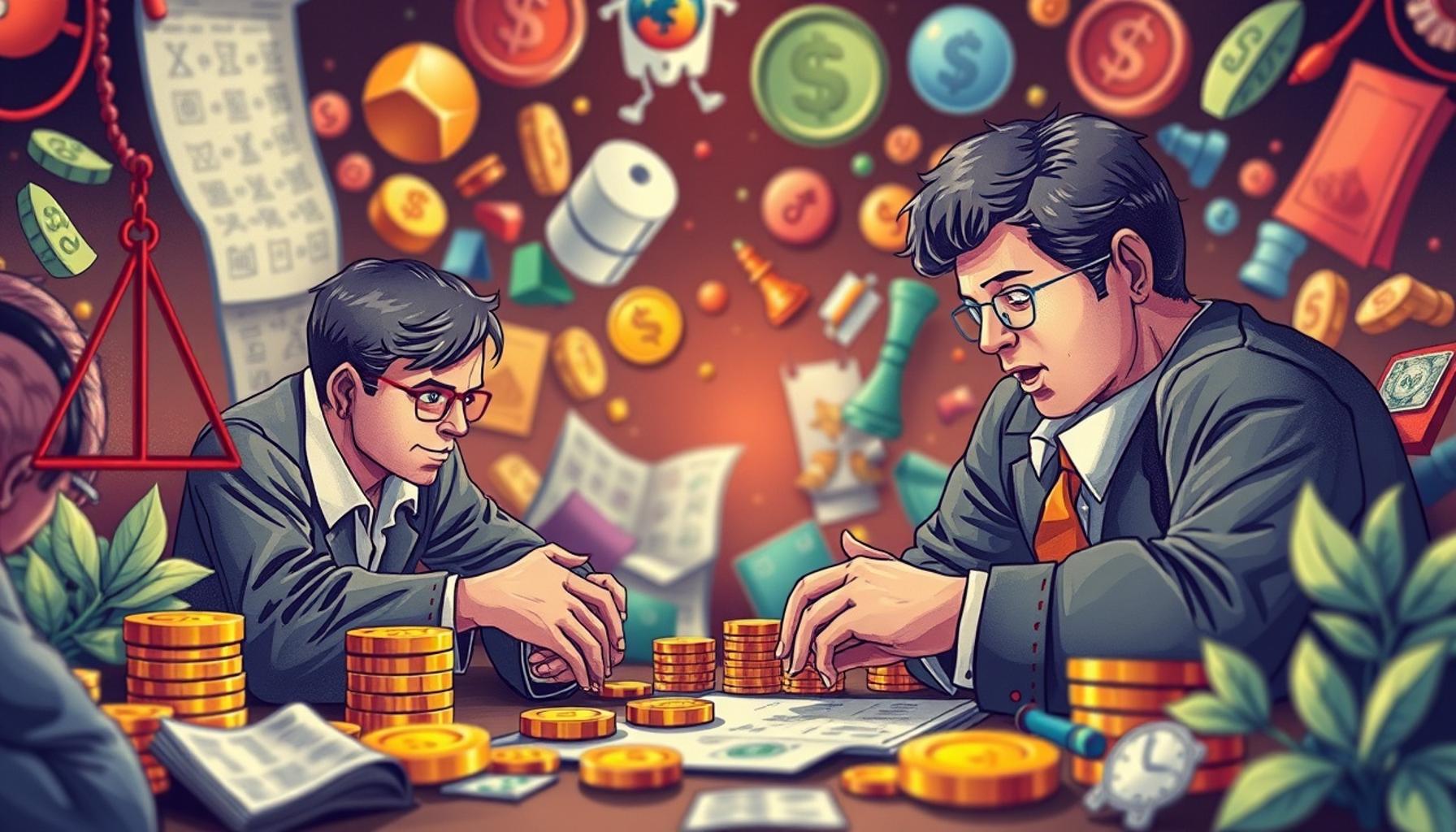
Engagement with strategy games often demands a level of cognitive processing that mirrors real-world scenarios. One of the critical skills developed is analytical thinking. Players must scrutinize numerous variables at once, weighing potential outcomes against each decision made. For instance, a player of chess must evaluate the positioning of their pieces in relation to their opponent’s, foreseeing possible countermoves while formulating a strategy to checkmate the opponent. This level of scrutiny not only enhances their gameplay but also translates effectively into analytical skills that are valuable in professional environments, where data analysis or strategic planning is often required.
Strategic planning further allows players to innovate and create structured approaches to achieving goals. In games such as “Civilization” or “StarCraft,” players are tasked with building empires or managing resources while strategizing long-term benefits against short-term risks. This kind of foresight is crucial in the workplace, where project management often relies on anticipating market shifts and the actions of competitors.
Moreover, the fast-paced nature of many strategy games encourages adaptive problem-solving. Players must quickly pivot their strategies based on their opponents’ tactics. A prime example is in the popular game “League of Legends,” where a player’s ability to adjust their approach in real-time can determine the outcome of a match. Such swift mental recalibration is incredibly beneficial in everyday life, especially in navigating conflicts or negotiations where circumstances can shift unexpectedly.
Beyond the gaming environment, the skills honed through these experiences can lead to improved outcomes in personal and professional relationships. Research indicates that participants who regularly engage in strategy games often exhibit increased competence in negotiation and mediation. This correlation between game mechanics and real-life proficiency emphasizes the strategic importance of these cognitive exercises.
As we dive deeper into this exploration of strategy games, we can draw parallels with real-life applications that demonstrate how digital interactions can enhance our capacities for decision-making and conflict resolution. Be it through classic board games such as chess or modern video games, the principles at play resonate with our daily experiences, revealing the profound implications these games have on personal and professional development.
DISCOVER MORE: Click here to dive deeper
Enhancing Cognitive Skills Through Strategy Games
Strategy games have proven to be not only entertaining but also powerful tools for developing critical skills necessary for effective decision making and conflict resolution. Whether through ancient board games or high-tech video games, the mechanics involved in gameplay foster an environment where players must continuously assess their choices and pivot based on unforeseen challenges. This level of engagement sharpens the mind and cultivates essential capacities that are directly applicable to real-world scenarios.
Critical thinking is one of the foundational skills reinforced in strategy gaming. Players often encounter complex challenges requiring them to examine multiple perspectives and construct logical arguments to support their strategies. For example, in a game of poker, the ability to read an opponent’s behavior and anticipate their moves can mean the difference between winning and losing. Such tactical analysis enriches a player’s capacity to think critically about their environment, be it a corporate setting or a personal interaction.
Moreover, strategy games excel at fostering collaborative problem-solving, particularly in team-based environments. Games like “Overwatch” or “Counter-Strike” require players to work together harmoniously, each taking on specific roles to achieve a common goal. This synchronization teaches players invaluable lessons in teamwork, communication, and the importance of diverse perspectives. Through these collaborative efforts, individuals learn how to navigate differing opinions and resolve conflicts that arise within group dynamics, making them more effective negotiators and team members in their day-to-day lives.
Key Skills Developed Through Strategy Games
- Analytical Skills: Players dissect components of their strategic landscape, improving their ability to analyze data and draw sound conclusions.
- Adaptability: The unpredictability of opponents requires players to swiftly alter their strategies, promoting flexibility in thought processes.
- Communication: Team-based games encourage players to convey ideas clearly, essential in avoiding misunderstandings and resolving disputes.
- Negotiation Skills: Many strategy games involve bargaining tactics, where players must negotiate terms for collaboration or competition, sharpening their skill in reaching mutually beneficial resolutions.
The cumulative effect of these skills prepares players to approach real-life decisions with greater confidence and efficacy. A study conducted by the American Psychological Association found that individuals who engage in strategy games display enhanced executive functions, including improved working memory, cognitive flexibility, and inhibitory control—all vital in decision-making processes. As players immerse themselves in virtual conflicts, the seamless translation of these competencies into daily life becomes evident.
As we continue to explore this intriguing intersection between gameplay and cognitive development, it’s clear that the engagement in strategy games does more than simply entertain. It builds a robust toolkit for decision making and conflict resolution that can significantly influence personal and professional outcomes.
| Category | Details |
|---|---|
| Cognitive Skill Development | Strategy games enhance critical thinking and problem-solving abilities. |
| Collaboration | These games often require players to work together, promoting teamwork and negotiation skills. |
Strategic games, whether board-based or digital, serve as a powerful medium for enhancing cognitive skills. Players are challenged to analyze data, anticipate opponents’ moves, and make calculated decisions, which can translate effectively into real-world scenarios. This engagement fosters not just individual growth in problem-solving capabilities, but also a deeper understanding of complex situations. Moreover, the collaborative nature of many strategy games encourages players to engage in a shared experience that builds teamwork and negotiation abilities. As they design strategies and establish their roles within a team, individuals learn to effectively communicate and resolve conflicts, mirroring the dynamics often encountered in professional and personal relationships.These skillsets are not just theoretical; numerous studies and testimonials highlight how strategy games are increasingly used within educational and corporate training environments to improve decision-making processes and teamwork. Take a moment to ponder how these immersive experiences can enrich interpersonal dynamics and enhance conflict resolution strategies across various disciplines.
DISCOVER MORE: Click here to find out how traditional puzzles stack up against modern apps!
Real-World Applications of Decision-Making Skills from Strategy Games
The skills developed through strategy games extend far beyond the confines of the gaming ecosystem; they manifest profoundly in real-world scenarios, influencing decision-making and conflict resolution in everyday life. As players navigate intricate scenarios within these games, they become adept at managing risks and resources effectively, which translates well into various professional environments, especially in the United States where competitive industries value strategic thinking.
For instance, in the realm of business management, executives often face high-stakes decisions that require immediate analysis of various factors such as market conditions, consumer behavior, and organizational capabilities. Using insights from strategy games, they learn to weigh options critically and forecast potential outcomes based on limited information. A classic example can be found in the game “Civilization,” where players build empires, negotiate treaties, and engage in diplomacy with opponents. Business leaders who engage with such games often report being better equipped to handle negotiations, foresee market trends, and craft innovative strategies to outmaneuver competitors.
Moreover, crisis management in corporations can also benefit significantly from skills honed in strategy games. During unexpected crises—such as product recalls or public relations disasters—decision-makers must resolve conflicts arising internally and externally. Strategy games like “StarCraft” challenge players to remain one step ahead of their opponents by anticipating their moves and responding to threats in real-time. Consequently, players develop a heightened sense of situational awareness and improved reaction times, assets that are crucial in high-pressure environments where every second counts.
Educational Settings and Strategy Games
The application of strategy games is not limited to corporate landscapes; educational institutions are increasingly recognizing their potential to cultivate essential decision-making skills among students. Schools and universities across the United States have begun incorporating strategy games into their curricula to foster critical skills in young minds. Programs designed around games such as “SimCity” allow students to engage in urban planning challenges, requiring them to make sustainable decisions that can influence the welfare of their communities.
Such educational initiatives are backed by studies from the Institute of Play that demonstrate how students engaged in strategy gameplay display significant improvements in problem-solving skills and academic performance. By simulating real-world situations, these games enable learners to practice conflict resolution and learn the consequences of their decisions in a safe, controlled environment. This experiential learning approach has proven effective in creating critical thinkers who are well-equipped to tackle societal challenges.
The Impact of Digital Strategy Games
The rise of digital strategy games presents an exciting frontier in this realm. With the ability to connect players from across the globe, games such as “Dota 2” and “League of Legends” require participants to devise strategic plans in real-time while managing teamwork and competition. These platforms amplify the stakes and the complexity of interactions, allowing players to refine their decision-making under pressure. Research indicates that regular participation in these games enhances cognitive flexibility, enabling players to adapt effectively to rapidly changing environments—a skill that is increasingly valuable in today’s fast-paced world.
In summary, the broader implications of skills gained from strategy games resonate profoundly in both personal and professional spheres. Understanding the interplay between gaming and real-world applications not only underscores the educational value of these games but also highlights their role in nurturing future leaders capable of navigating complex landscapes filled with both opportunities and challenges.
DIVE DEEPER: Click here to uncover more insights
Conclusion: Harnessing Strategy Games for Enhanced Decision-Making and Conflict Resolution
In conclusion, the role of strategy games in improving decision-making and conflict resolution is both profound and multifaceted. As explored throughout this article, engaging in these games fosters essential skills that extend far beyond gaming. From developing critical thinking and anticipating opponent moves in high-pressure situations to enhancing teamwork and communication abilities, the implications are both timely and relevant in our ever-evolving society.
In professional realms such as business management and crisis management, the experience gained through strategy gameplay equips leaders with the tools needed to navigate complex challenges effectively. The ability to assess risks and make decisions with limited information is an invaluable asset, particularly in competitive industries where the margin for error is slim.
Moreover, the integration of strategy games into educational settings is paving the way for a new generation of critical thinkers and problem solvers. Young minds are learning to approach conflicts with creativity and resilience, ensuring they are well-prepared for future societal challenges.
The rise of digital strategy games further amplifies the potential for growth in decision-making capabilities, fostering a global community where diverse perspectives enrich the gaming experience and lead to innovative conflict resolution strategies. As the landscapes of technology and communication continue to evolve, so too does the necessity for adaptable decision-makers who can thrive in complex environments.
Ultimately, the insights gleaned from strategy games provide a comprehensive toolkit for individuals both within and outside the gaming world. By harnessing these experiences, we can not only enhance our personal skill sets but also contribute meaningfully to initiatives that demand cooperation and strategic thinking. This exciting intersection of play and real-world application encourages us to delve deeper into how these games can shape future leaders and effective negotiators in an increasingly complex global landscape.