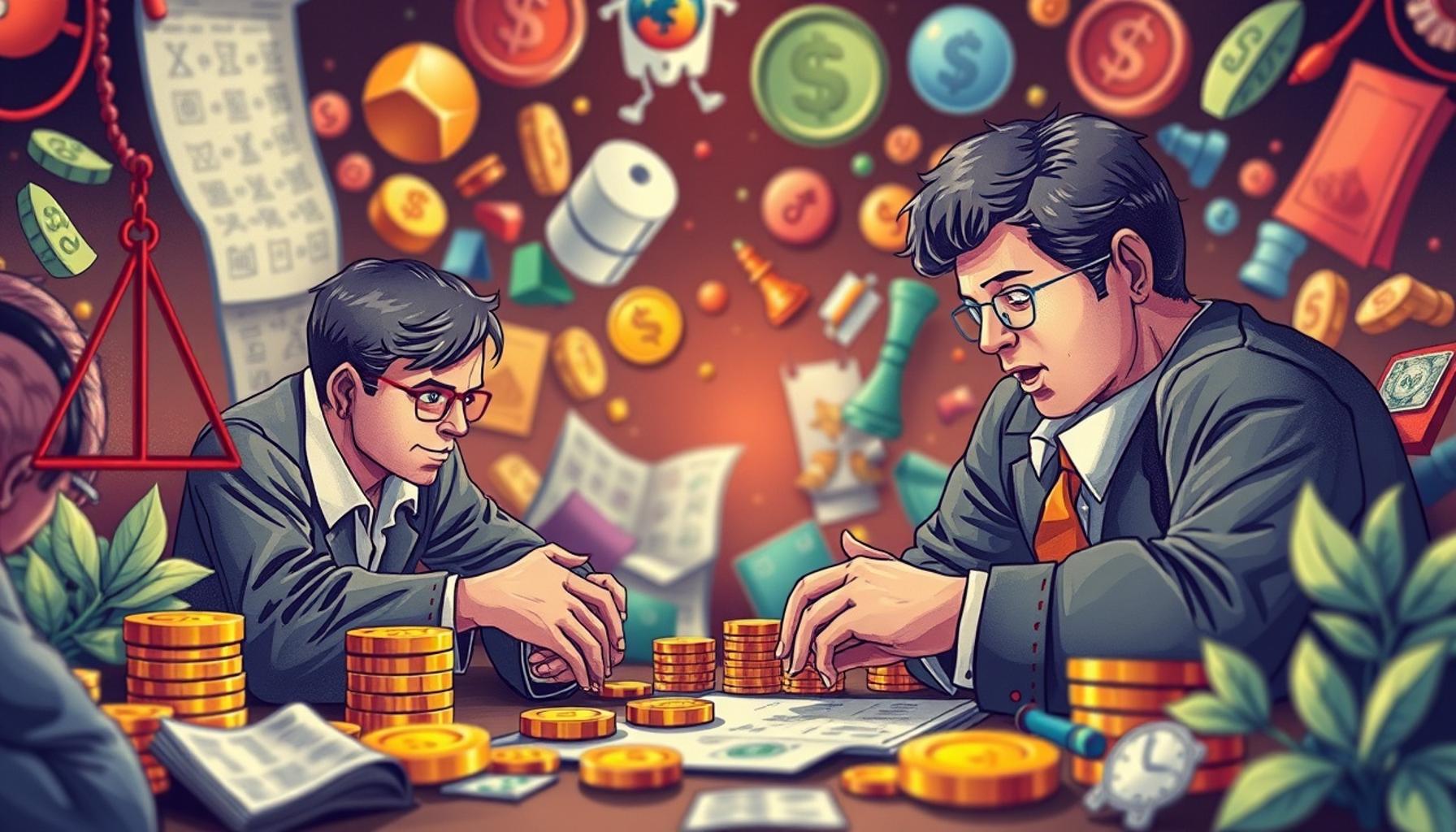
The Influence of Board Games on Creativity and Problem Solving

Unleashing Potential Through Board Games
Board games have long been a source of entertainment, but their impact extends far beyond mere leisure activities. These strategic games serve as powerful tools for enhancing creativity and sharpening problem-solving skills among players of all ages, making them much more than just a way to pass the time.
Engaging in interactive gameplay immerses individuals in a variety of scenarios that require innovative thinking and quick decision-making. Here are some key influences that illustrate the broader benefits of board games:
- Critical Thinking Development: Players must analyze situations methodically, weighing options and considering potential consequences of their actions. For example, in games like Chess, each move can significantly impact the outcome, demanding foresight and strategy. By evaluating the strengths and weaknesses of their position, players sharpen their analytical skills, which are transferable to real-life situations, such as workplace decision-making.
- Collaboration and Communication: Many board games, such as Pandemic or The Resistance, encourage teamwork, requiring players to discuss strategies and devise collaborative plans to achieve a common goal. This interaction fosters collaborative skills that are essential for effective brainstorming in professional environments, teaching players how to convey ideas clearly and listen to others.
- Adaptability: Board games often involve changing rules or unexpected events that challenge players to adjust their strategies. In games like Catan, fluctuating resources can necessitate quick thinking and flexibility. Such experiences nurture resilience and adaptability, qualities that are valuable in navigating the uncertainties of daily life and the workplace.
Diverse Experiences Across Generations
The world of board games offers a rich tapestry of experiences, from timeless classics like Monopoly to modern favorites like Ticket to Ride. Each game presents unique challenges that encourage growth in various cognitive and emotional skills. For instance, a simple game night can transform into a session of innovation, where players devise clever tactics and imaginative solutions.
Research suggests that the benefits of board games extend beyond personal enjoyment, positively impacting players’ cognitive development and emotional intelligence. Players not only enhance their problem-solving abilities but often discover new avenues for self-expression through these friendly challenges.
Building Resilience and Innovation
As we explore further, it becomes evident that board games contribute significantly to building resilience, fostering innovation, and refining effective problem-solving techniques. By engaging with diverse gameplay experiences, players learn to experiment with different strategies, cope with losses, and celebrate victories—each aspect contributing to their overall development. The social connections formed during these games also promote emotional well-being, creating lasting memories and friendships that can aid in stress management.
In conclusion, the multifaceted nature of board games goes far beyond their entertainment value. They are valuable tools that can enhance creativity, critical thinking, and collaboration while serving as a catalyst for personal growth and social interaction. The next time you gather for a board game, remember that you are engaging in an experience that has the potential to enrich your mind and spirit in ways you may not have previously considered.
DISCOVER MORE: Click here to learn about the benefits of chess on strategic thinking
Enhancing Cognitive Abilities Through Gameplay
Board games have a unique ability to cultivate creative thinking and effective problem-solving skills, making them exceptional tools in both educational and recreational settings. When players engage in board games, they do not merely entertain themselves; they engage in mental exercises that stimulate their cognitive functions and enhance their capacity to think critically and creatively.
One of the most fascinating aspects of board games is how they promote strategic thinking. Players must often devise and adapt plans in real time, showcasing their capacity to analyze situations from multiple angles. For instance, in games such as Risk, players must simultaneously consider territorial control, resource management, and alliances, necessitating a blend of foresight and adaptability. This level of strategic oversight enhances players’ abilities to solve complex problems, a skill that can be applied in many life scenarios, from academic pursuits to workplace challenges.
Moreover, the mechanics of many board games introduce game theory concepts, providing players with a rich framework to explore outcomes based on decision-making. A classic like Settlers of Catan asks players to negotiate trades, consider resource scarcity, and predict opponents’ moves. Such gameplay requires individuals to weigh the consequences of their decisions, enhancing their problem-solving repertoire and allowing them to experiment with risk versus reward scenarios.
The Social Element: Collaboration and Competition
In addition, the social dynamics of board games play an essential role in developing interpersonal skills that complement creativity and problem-solving. While some games foster collaboration, others evoke healthy competition. Here are several ways how engagement in board game sessions enhances both teamwork and individuality:
- Negotiation Skills: Games like Monopoly and Cosmic Encounter depend heavily on negotiation, requiring players to advocate for their interests while considering the perspectives of others.
- Conflict Resolution: When disagreements arise during gameplay, players learn to navigate conflicts, steering conversations toward amicable resolutions that reflect their emotional intelligence.
- Empathy Building: Understanding other players’ motives and emotions can enrich the gameplay experience. This skill translates to real-world interactions, where empathy can solve disputes and forge connections.
Additionally, research suggests that social interaction during board games fosters creativity. Engaging with diverse groups offers fresh perspectives and new ideas, pushing players to think outside the box. A game of Charades or Taboo particularly exemplifies this, as players must communicate creatively while navigating the boundaries set by game rules.
As players immerse themselves in these challenging yet entertaining contexts, they often discover innovative ways to approach problems, ultimately enhancing their creative thinking abilities. This blend of strategy, social interaction, and cognitive challenge makes board games an invaluable resource in both personal development and professional growth.
The Impact of Board Games on Cognitive Development
Board games have emerged as powerful tools in fostering creativity and enhancing problem-solving skills. Engaging with these games encourages players to think critically and strategize effectively, which are essential skills needed in everyday life as well as in professional settings. By challenging players to navigate complex scenarios, board games stimulate cognitive flexibility and nurture decision-making abilities.
One notable example is the game of chess, which not only promotes strategic thinking but also enhances memory retention and improves concentration. Players are constantly required to adapt their strategies based on their opponent’s moves, leading to the development of quick and effective problem-solving skills. Similarly, games like Settlers of Catan require resource management and negotiation, teaching players how to approach conflict resolution tactfully.
Social Interaction and Collaborative Thinking
Furthermore, board games often involve social interaction, fostering teamwork and cooperative decision-making. This aspect is crucial for effectively navigating group dynamics and conflicts while promoting interpersonal skills. Players must communicate their ideas while also considering others’ perspectives, which in turn cultivates a deeper understanding of collective problem-solving. By creating an environment where players share their thoughts, board games can significantly enhance creative collaboration.
| Cognitive Skills | Advantages of Board Games |
|---|---|
| Critical Thinking | Board games challenge players to analyze complex problems and create strategic solutions. |
| Teamwork | Engagement in cooperative games enhances collaboration and improves communication skills. |
As these games continue to gain popularity, their potential in educational settings and beyond has garnered increasing attention. Understanding how board games influence creativity and problem-solving can lead to greater integration of these engaging activities in learning environments.
DISCOVER MORE: Click here to learn how to boost your brain health</p
Fostering Innovation Through Diverse Gameplay
Board games not only serve as a foundation for strategic thinking and social skills but also effectively cultivate innovation and creativity. The nature of gameplay, especially in contemporary board games, often incorporates elements that challenge players to think beyond conventional boundaries, pushing the limits of their imagination. Board games like Ticket to Ride and Codenames offer scenarios that require players to exhibit creativity in both planning and execution, demonstrating how interactive environments can fuel innovative thought processes.
For example, Ticket to Ride demands that players visualize and strategize routes, which requires not only foresight but also creative problem-solving to navigate through competitors’ paths. The game’s mechanics force players to adapt their plans as the game evolves, promoting a mindset that is flexible and open to new solutions. Such experiences mirror real-world situations where innovative thinking is key to overcoming obstacles and achieving goals.
Furthermore, board games that incorporate elements of storytelling, such as Dungeons & Dragons or Gloomhaven, provide players with a unique platform to exercise their creativity. In these role-playing games, participants are often required to create narratives, develop characters, and make decisions that shape the course of the game. This storytelling aspect taps into players’ imaginative capabilities, encouraging them to explore multiple outcomes and embrace a variety of problem-solving methods, including lateral thinking.
The Impact of Game Design on Creative Processes
The design of a board game itself can significantly influence players’ creativity and problem-solving skills. Designers intentionally craft games with various layers of complexity, tactics, and outcomes. This multifunctionality helps players engage in iterative learning, where they can experiment with different strategies without the fear of real-world repercussions. Take, for instance, Pandemic, which requires players to work cooperatively to combat global outbreaks. Each game session presents a different set of challenges, prompting players to adapt and evolve their strategies continuously, fostering innovation amidst adversity.
Additive to this is the concept of failure as a learning opportunity within board games. Through repeated gameplay, individuals experience failures that discourage stagnation and instead promote resilience and adaptability. Research in psychology highlights that environments permitting safe failures foster creativity as they encourage risk-taking in problem-solving. Games that are designed to be replayable, such as Carcassonne, allow players to develop and refine their methods, ensuring that each attempt contributes to enhanced problem-solving capabilities.
- Risk Assessment: Board games require players to evaluate risks constantly. Games like 7 Wonders teach players to gauge the potential outcomes of their choices, increasing their ability to manage uncertainty in real-life scenarios.
- Dynamic Problem-Solving: Elements like changing rules or evolving challenges in games like Gloomhaven necessitate quick thinking and agile strategy formulation, essential traits in both professional and personal contexts.
- Creative Collaboration: Many games require joint efforts to navigate obstacles, reinforcing the idea that collaboration can expand individual creative capacities. Games like Forbidden Island highlight the synergy between teamwork and creative problem-solving.
Ultimately, the evolving nature of board games serves as an essential catalyst for enhancing creativity and problem-solving skills. As players navigate these intricate play structures, they hone not only their strategic acumen but also their ability to innovate, making board games an influential component of personal and professional development.
DIVE DEEPER: Click here to learn more
Conclusion: Unleashing Creativity and Problem-Solving Potential
In an age where creativity and problem-solving abilities are more crucial than ever, board games emerge not just as a source of entertainment but as vital tools for personal and cognitive development. Through the intricate mechanics of gameplay, players are invited to venture into realms of imagination and strategy, encouraging them to approach challenges from diverse angles. The variety of games available, from cooperative endeavors like Pandemic to creative narratives found in Dungeons & Dragons, provides a rich playground for enhancing both individual and collective thought processes.
The evidence increasingly suggests that board games can effectively foster innovative thinking by presenting environments where trial, error, and adaptation are not only accepted but celebrated. Players learn to assess risks, think dynamically, and collaborate creatively—skills that are indispensable in academic, professional, and social contexts. With each new challenge posed by a game, individuals experience moments of creative inspiration while developing their problem-solving toolkit.
As we continue to explore the impact of board games, it becomes clear that they offer more than mere pastimes. They are training grounds for tomorrow’s innovators and problem-solvers, challenging players to break from conventional thought patterns and embrace the unexpected. By diving into the expansive world of board games, enthusiasts can unlock their full creative potential, establishing a profound connection between play and mental agility. The pivotal role of board games in shaping creative minds is a treasure trove waiting to be discovered and explored, encouraging both seasoned players and newcomers alike to engage in this unique form of interactive learning.