
Understanding the Role of Animal Adoption Organizations
Every year, millions of animals find themselves abandoned in the streets, left to fend for themselves. In Nigeria, this situation takes a poignant turn, highlighting the urgency of animal welfare. Adoption organizations play a crucial role in addressing this crisis by providing essential services and advocacy that positively influence the lives of abandoned animals.
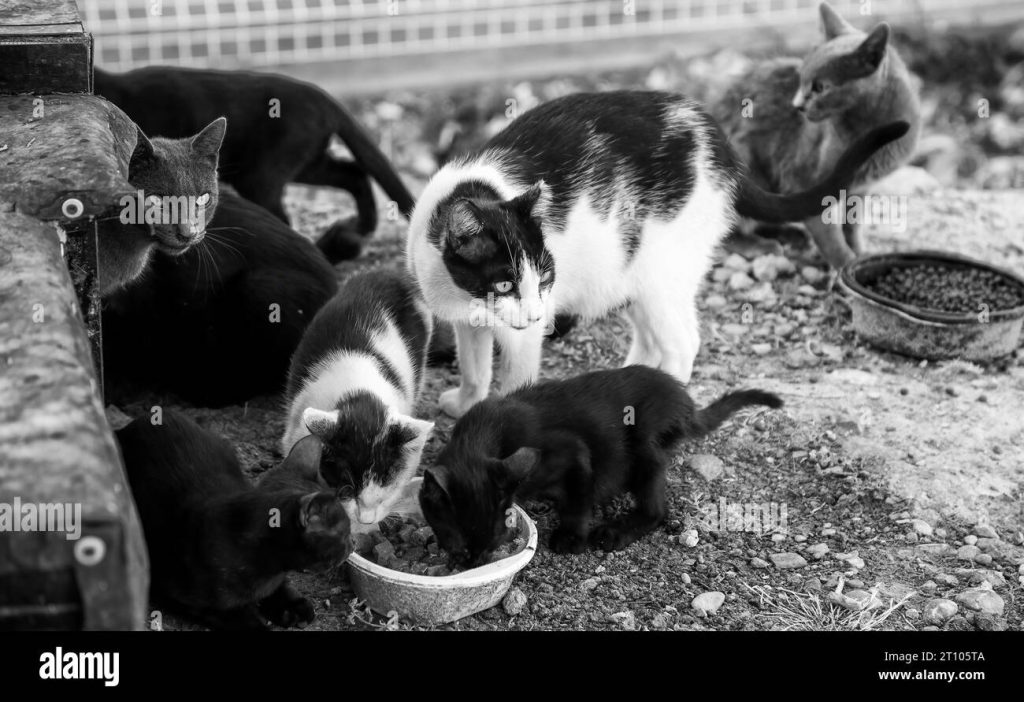
The plight of these animals is not just a statistic; it’s a daily reality filled with suffering and risk. Stray animals often face numerous challenges, including starvation, disease, and accidents. Adoption organizations are at the forefront, orchestrating rescue operations that bring these vulnerable animals to safety. Whether it’s a lost dog found roaming the streets of Lagos or a cat abandoned in a cardboard box, these organizations mobilize volunteers and resources to provide immediate assistance to animals in distress.
Through the promotion of adoption over euthanasia, these organizations advocate for a compassionate approach. They strive to change prevailing attitudes towards stray animals by emphasizing that every creature deserves a loving home. Successful campaigns have shown that when people are educated about the benefits of adopting over buying, the rates of euthanasia can drop significantly. This is not merely an act of charity; it is about fostering a deeper understanding of the bonds between humans and their animal companions.
Education is another critical pillar of their work. Informative programs raise awareness about responsible pet ownership, including the importance of spaying and neutering pets to prevent overpopulation. Workshops are organized in community centers, schools, and even local markets to reach as many people as possible. These initiatives aim to dispel myths surrounding stray animals and encourage a culture of kindness and responsibility.
By developing partnerships with local authorities and animal lovers, adoption organizations create a robust network of support. They not only facilitate the adoption process but also ensure that abandoned animals receive necessary resources, such as:
- Veterinary care and vaccinations. Ensuring that all animals are healthy and free from diseases is paramount, and many organizations offer free or subsidized vet services.
- Training and behavioral assessments. Assessing the needs of each animal helps prepare them for successful adoption, making them more appealing to potential families.
- Temporary shelter and foster care. Providing a safe space for animals until they find permanent homes is critical in reducing the number of strays on the streets.
As adoption organizations set the pace in championing animal rights, they also advocate for public policies that protect these vulnerable creatures. They work hand in hand with lawmakers, pushing for regulations that penalize animal cruelty and promote humane treatment. Through their unwavering commitment, advocacy, and educational efforts, these organizations ensure that abandoned animals are not merely forgotten but rather are given a second chance at life.
In a country where the challenges are many, the work done by animal adoption organizations in Nigeria serves as a beacon of hope. Their resolve not only transforms the lives of animals but also enriches communities by fostering empathy, responsibility, and awareness. This critical intersection of animal welfare and community engagement invites a broader discussion on our responsibilities toward the animals we share our lives with, prompting readers to explore how they can contribute to this cause.
RECOMMENDED: Check out this similar article
Rescue and Rehabilitation: The Lifeline for Abandoned Animals
In Nigeria, where stray animals are a common sight, the first response to their plight typically lies with adoption organizations. These organizations are not only about finding homes for abandoned pets; they are deeply involved in rescue and rehabilitation. Utilizing a network of volunteers and local partnerships, these groups organize operations to effectively save abandoned and stray animals before they succumb to the harsh realities of life on the streets.
The rescue process is multifaceted, requiring a thorough understanding of animal behavior and community dynamics. Often, volunteers patrol local neighborhoods, responding to reports of strays who may be injured, malnourished, or at risk of abuse. Animals found in distress are swiftly brought to rescue hubs where they receive immediate medical attention. Many organizations foster relationships with veterinarians, ensuring that services such as health check-ups, vaccinations, and treatments are not only accessible but also affordable. According to recent estimates, over 70% of stray dogs and cats in urban areas don’t receive any form of veterinary care, emphasizing the need for such vital interventions.
Once rescued, animals often enter rehabilitation programs designed to address their physical and emotional needs. For example, behavioral assessments are conducted to identify any anxiety or trauma the animal may have experienced while living on the streets. Rehabilitation can include socialization with other animals and humans, helping them adapt and eventually thrive in a home environment.
Community Engagement and Awareness Initiatives
The role of adoption organizations extends beyond rescue; they also actively engage the community through awareness initiatives aimed at educating the public about the importance of animal welfare. Campaigns showcasing the success stories of adopted animals can profoundly impact public perception, shifting the narrative from seeing strays as a nuisance to recognizing them as deserving beings looking for love.
Many organizations conduct workshops and outreach events to reach various demographics, educating the public about:
- The significance of adoption: Sharing heartwarming stories that highlight successful adoptions encourages more families to consider adopting rather than purchasing pets.
- The importance of spaying and neutering: Promoting responsible pet ownership helps control the stray population and ensures that fewer animals are abandoned due to overpopulation.
- Recognizing signs of animal abuse: Understanding and reporting animal cruelty can help protect vulnerable animals and promote a safer environment for all.
By fostering these relationships with the community, adoption organizations not only advocate for the animals but also encourage individuals to become active participants in their welfare. They help bridge the gap between animal rights and community responsibility, creating a holistic approach to the issues surrounding abandoned animals.
As these organizations focus on education, rescue, and rehabilitation efforts, they are simultaneously shaping a future where abandonment becomes an exception rather than the norm. Their work not only saves lives but cultivates a culture of empathy, making communities more aware and sensitive to the struggles of abandoned animals.
| Advantage | Description |
|---|---|
| Community Engagement | Adoption organizations actively involve the community, fostering a culture of responsibility towards abandoned animals. |
| Increased Awareness | These organizations educate the public about the plight of abandoned animals, encouraging more adoptions and humane treatment. |
Adoption organizations play a crucial role in transforming the lives of abandoned animals by facilitating responsible adoptions and creating awareness. By engaging the local community, they promote responsibility, ensuring that people are not just passively observing the issues surrounding abandoned animals but actively participating in their welfare.Furthermore, increased awareness generated through educational programs not only highlights the challenges faced by these animals but also underscores the importance of adopting, fostering, and spaying or neutering pets. This educational outreach leads to informed decisions, ultimately reducing the number of abandoned animals in the future. Having these organizations at the forefront is essential for creating lasting change and steering society in a direction that embraces compassion towards all living beings.
RECOMMENDED: Check out this similar article
Fostering Partnerships: Collaborations for Greater Impact
In the quest to address the issue of abandoned animals, adoption organizations in Nigeria understand the power of collaborative efforts. By forming partnerships with local businesses, veterinary clinics, and government agencies, these organizations are not only amplifying their reach but also pooling resources that significantly enhance their capacity to promote animal welfare.
Partnerships with veterinarians are particularly crucial. These professionals play a pivotal role in the success of rescue operations by providing pro bono services or discounted rates for treatments. Such collaborations ensure that a higher number of abused or neglected animals receive the medical attention they urgently need, thus increasing survival rates. Furthermore, many organizations have engaged with local businesses to sponsor events, raise funds, or provide essential supplies, from pet food to blankets, necessary for the smooth operation of shelters and rehabilitation centers.
Government collaboration is equally important; it presents an opportunity for adoption organizations to advocate for policies that favor animal welfare. Initiatives such as city-wide spay and neuter programs, responsible pet ownership campaigns, and the implementation of anti-cruelty laws are more likely to be effective when adoption organizations actively support and participate in these programs. For example, the Lagos State Government has engaged with various animal welfare organizations to launch the Lagos State Animal Control Programme, aiming to minimize strays while protecting animal rights.
Volunteer Mobilization: A Community-Driven Approach
The heart of many adoption organizations lies in their dedicated volunteer base. In Nigeria, volunteers come from diverse backgrounds, united by a shared passion for animal welfare. These individuals play a significant role in the daily operations of rescue efforts, fundraising, community outreach, and adoption drives. Many organizations conduct training sessions to equip volunteers with the skills necessary for effective animal rescue and care, emphasizing the importance of safety and empathy in interactions with animals.
Moreover, volunteer mobilization creates a ripple effect, inspiring community members to take an active interest in abandoned animal issues. Organized activities such as community clean-up days, educational workshops at schools, and pet adoption fairs not only engage volunteers but also attract the attention of wider audiences. According to recent surveys, about 60% of volunteers expressed that their involvement led them to adopt pets, demonstrating the powerful link between volunteerism and successful adoption rates.
Through events like these, organizations foster a sense of community and shared responsibility. Initiatives like “Adopt, Don’t Shop” campaigns resonate deeply, encouraging current pet owners to consider adopting instead of purchasing pets, thus indirectly reducing the number of animals left abandoned. By sharing success stories and personal accounts from previous adopters, organizations tap into emotions, steering public sentiment towards compassion and action.
Utilizing Digital Platforms for Outreach
In today’s digital age, adoption organizations in Nigeria are increasingly leveraging technology to bolster their efforts. Social media platforms serve as a vital tool for creating awareness about abandoned animals, sharing success stories, and promoting adoption events. By harnessing the power of visuals, organizations can showcase the animals needing homes while also highlighting the positive impact that adoption can have.
Innovative campaigns employing hashtags related to animal rescue not only foster community engagement but also attract the attention of influencers who can further amplify the message. Additionally, dedicated websites and mobile apps make it easier for potential adopters to access information regarding available pets, necessary supplies, and upcoming events—all essential for encouraging responsible pet ownership.
The digital landscape’s accessibility enables organizations to reach a broader audience, improving overall visibility and engagement. Consequently, many adoption organizations have reported an increase in adoption inquiries attributable to strategic online campaigns, validating the importance of adapting to modern communication methods.
CHECK OUT: Click here to explore more
Conclusion: The Vital Role of Adoption Organizations in Animal Welfare
In summary, adoption organizations play an indispensable role in addressing the critical issue of abandoned animals in Nigeria. Through collaborative partnerships with veterinarians, local businesses, and government agencies, these organizations create comprehensive support systems that enhance animal welfare initiatives. By consolidating resources and implementing community-driven programs, they not only rescue and rehabilitate neglected animals but also promote responsible pet ownership and advocate for humane policies.
Moreover, the mobilization of dedicated volunteers serves as a driving force behind these efforts. Volunteers channel their passion into meaningful actions, often leading to increased public engagement and adoption rates. As evidenced by compelling community outreach and “Adopt, Don’t Shop” campaigns, these organizations foster an emotional connection between people and abandoned animals, thus cultivating compassion and action among community members.
Modern technology further amplifies these efforts by providing powerful platforms for awareness and advocacy. The use of social media and dedicated digital initiatives enables adoption organizations to reach wider audiences—transforming perceptions of abandoned animals and encouraging timely action. The continuous rise in adoption inquiries highlights the effectiveness of these innovative outreach methods.
Ultimately, the concerted efforts of adoption organizations transcending individual actions can lead to a significant societal shift in the perception of animal welfare in Nigeria. For concerned individuals, there remain countless opportunities to get involved—whether through volunteering, fostering, or advocating. It is imperative that everyone recognizes the collective responsibility to stand against animal abandonment and to support the organizations tirelessly working to create a better future for these vulnerable beings.
Related posts:
Success Stories: Inspiring Transformations of Adopted Animals in Nigeria
How to Choose the Ideal Pet for Adoption: Tips for Nigerian Families
Tips for Maintaining the Health and Well-being of Your Adopted Pet
How Animal Adoption Can Influence Mental Health and Well-Being
How to cope with the challenges of adapting an adopted animal to its new home
The Pet Adoption Process: Step by Step

Beatriz Johnson is a seasoned pet care expert and writer with a passion for simplifying the complexities of pet ownership and animal well-being. With over a decade of experience in the field, she specializes in topics like pet nutrition, training techniques, and health care. Through her work on our website, Beatriz empowers pet owners to make informed decisions and provide the best possible care for their furry friends, ensuring happy and healthy lives for their beloved companions.