
The Hidden Dangers of Fleas and Ticks
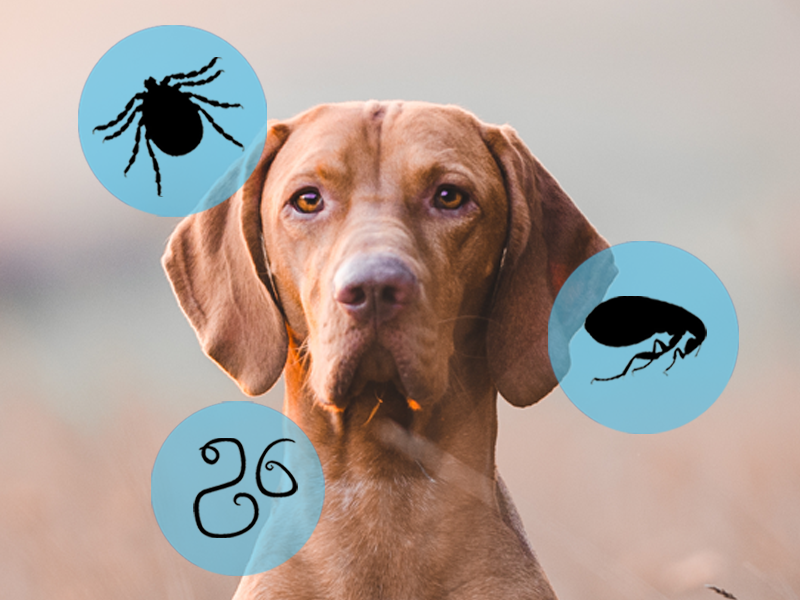
For pet owners, ensuring the well-being of furry friends often requires vigilance that goes beyond standard vet visits and proper nutrition. Fleas and ticks pose significant health risks not only to pets but also to humans in households across Nigeria. These pesky parasites are more than just an annoyance; they can wreak havoc on well-being if not effectively managed, leading to discomfort and potentially severe health issues.
Why Focus on Prevention?
Taking a proactive stance against these parasites is imperative for the health of both pets and family members. Here are key reasons to prioritize prevention:
- Health Risks: Beyond mere itching and scratching, flea bites can lead to secondary skin infections, while ticks can transmit serious diseases such as Lyme disease and Rocky Mountain spotted fever. In Nigeria, the incidence of tick-borne diseases is on the rise, heightening the need for awareness and preventative measures.
- Infestation Potential: A single female flea is capable of laying up to 50 eggs per day, resulting in a rapid infestation that can spiral out of control if not addressed promptly. In a short period, pet owners may find themselves dealing with a household overrun by these pests.
- Costly Treatments: The financial burden of treating an infestation far outweighs the cost of preventative measures. Treatments for infestations can be both expensive and stressful for both pets and their owners. The average vet visit in Nigeria can cost anywhere from 5,000 to 20,000 Naira, meaning that preventative care is often a more economical choice.
In Nigeria, the hot and humid climate provides an ideal environment for fleas and ticks to breed rapidly. These conditions make it crucial for pet owners to be educated about effective prevention methods that suit our local context. Environmental management is particularly important; regularly mowing lawns and maintaining a clean yard can disrupt flea and tick life cycles. Additionally, using topical treatments and collars specially formulated to repel these pests can provide a first line of defense. Routine vet check-ups to monitor for any infestation signs are equally vital. For households with multiple pets, it is essential to treat all animals simultaneously to prevent re-infestation. Moreover, natural remedies, such as diatomaceous earth, have gained traction among pet owners looking for eco-friendly solutions. This substance, made from fossilized algae, can be safely applied in pet habitats to help kill fleas and ticks without harmful chemicals. Taking these proactive steps not only protects beloved pets but also contributes to a healthier living environment. This article will delve deeper into specific strategies and provide pet owners in Nigeria with the knowledge needed to safeguard their furry companions effectively.
LEARN MORE: This related article may interest you
Effective Strategies for Flea and Tick Prevention
As the old saying goes, “prevention is better than cure.” This adage rings particularly true for pet owners when it comes to fleas and ticks. Understanding and implementing effective strategies can significantly minimize the risk of these parasites invading your home and harming your pets.
Regular Grooming and Bathing
One of the simplest yet most effective ways to keep fleas and ticks at bay is through regular grooming. Brushing your pet not only keeps their coat clean and healthy, but it also allows for early detection of any pests that might have made their way onto your furry friends. In Nigeria’s tropical climate, where humidity fosters a fertile breeding ground for these parasites, offering your pet a bath every few weeks can make a noteworthy difference.
- Use Flea and Tick Shampoos: Opt for specially formulated shampoos that require minimal chemical exposure while effectively removing fleas and ticks. Look for products that are safe and suitable for your pet’s breed and age.
- Brush and Inspect: Invest in a good quality flea comb. During grooming sessions, pay close attention to their ears, neck, and underbelly, as these are common hiding spots for fleas and ticks.
Choosing the Right Preventative Treatments
With the variety of products available in the market today, choosing the right flea and tick preventative treatment is crucial. From topical treatments to oral medications, it is essential to find a solution tailored to your pet’s needs. Consult your veterinarian to determine the most effective products suited for your pet’s size, age, and overall health condition.
- Topical Treatments: These liquid treatments, applied directly to the skin, can repel and kill fleas and ticks. They often provide long-lasting protection, lasting from weeks to months.
- Oral Medications: These chewable tablets can disrupt the life cycle of fleas and ticks from within, helping prevent infestations. Unlike topical treatments that act on contact, oral options can be effective in eradicating existing pests as well.
- Collars: Flea and tick collars are another preventative measure that can be quite effective. They release chemicals that kill or repel pests and can offer protection for several months.
Environmental Management
Engaging in environmental management can significantly reduce the risk of flea and tick infestations. A yard teeming with unkempt grass and bushes provides an ideal breeding ground for these rodents. Here are actionable steps you can take:
- Mow Your Lawn Regularly: Keep grasses trimmed and avoid leaving tall weeds around your property.
- Clear Debris: Remove trash, leaves, and other debris that could harbor fleas and ticks.
- Keep Pet Areas Clean: Regularly wash your pet’s bedding, toys, and other personal items using hot water to kill any eggs or larvae that might be present.
By employing these effective strategies, pet owners can significantly reduce the risk of flea and tick infestations. Each step taken towards prevention not only ensures a more comfortable life for your pets but also contributes to a healthier environment for your family. The fight against these parasites may be ongoing, but armed with knowledge and effective practices, pet owners in Nigeria can lead the way in protecting their beloved companions.
| Category | Description |
|---|---|
| Preventive Treatments | Utilizing topical treatments and medication can safeguard your pet from fleas and ticks. These options often include prescription products that are both effective and easy to administer. |
| Regular Grooming | Frequent brushing can help detect the earliest signs of infestation while maintaining your pet’s coat. It is also an excellent opportunity to ensure your pet is clean and free from debris. |
In order to carry out effective parasite prevention, it is essential to understand how to combine different methods for enhanced protection. One effective strategy is the use of preventive treatments, which include topical solutions and oral medications tailored to your pet’s needs. These are often readily available through veterinary practices and can greatly reduce the risk of your furry companions becoming hosts to these troubling pests.Moreover, consistent grooming routines contribute significantly to parasite control. Not only does regular grooming allow pet owners to inspect for signs of fleas and ticks, but it also ensures that your pet remains in its best health. Taking the time to groom your pet helps identify any existing issues before they escalate, allowing for swift action. Implementing these strategies collectively enhances your efforts in safeguarding your pets from pesky parasites like fleas and ticks.
YOU MAY ALSO LIKE: Read read another article
Enhancing Protection with Natural Remedies and Regular Veterinary Check-ups
In addition to the previously discussed strategies, exploring natural remedies can further bolster your pet’s defense against fleas and ticks. Many pet owners are turning to natural alternatives, whether due to personal preference or concerns about chemicals. While efficacy may vary, integrating these methods can add an additional layer of protection.
Natural Remedies to Consider
Homeopathic solutions harness the power of nature to deter parasites while ensuring your pet’s health is not compromised. Here are some popular options:
- Citrus Solutions: Fleas and ticks have a natural aversion to citrus. Boiling citrus fruits like lemons and oranges in water creates an effective flea spray. Once cooled, you can spritz this solution onto your pet’s coat, avoiding the eyes.
- Essential Oils: Certain essential oils, such as lavender, peppermint, and cedarwood, can repel fleas and ticks. However, it’s vital to use them sparingly and always consult a veterinarian, as some essential oils can be toxic to pets.
- Apple Cider Vinegar: Diluting apple cider vinegar with water and using it as a rinse can help discourage flea and tick populations. The acidity disrupts the pests’ ability to cling to your pet’s skin.
Regular Veterinary Check-ups
Routine visits to the veterinarian should not be overlooked. These appointments are crucial to ensure your pet remains healthy and protected against parasites. During these visits, your vet can:
- Administer Preventatives: Ask your veterinarian about the latest advances in flea and tick preventatives. They can provide recommendations based on your pet’s lifestyle, health status, and the specific parasites prevalent in your region.
- Perform Thorough Examinations: Regular check-ups often include thorough examinations, allowing for the early detection of flea and tick infestations. Early intervention can prevent a minor issue from escalating into a bigger problem.
- Educate on Local Risks: In Nigeria, it’s essential to stay informed about the prevalent types of fleas and ticks in your area. Vets can provide knowledge about seasonal patterns, increasing your protective measures during peak infestation periods.
Creating a Barrier Between Your Pets and the Environment
Another proactive strategy is to create a physical barrier between your pets and likelier environments for pests. Here are methods that can be easily integrated into your routine:
- Limit Outdoor Exposures: Especially during peak tick seasons, consider limiting your pet’s outdoor time, particularly in wooded areas or tall grass where parasitic exposure is high.
- Use Protective Clothing: Invest in lightweight, protective clothing designed to shield pets from ticks and fleas during outdoor excursions. Many online stores offer specialized garments that can minimize skin exposure.
- Set Up Fenced Areas: If possible, create pet-friendly zones within your yard that are regularly treated for pests, allowing your pets to enjoy the outdoors with reduced risk.
By exploring natural remedies, maintaining regular veterinary check-ups, and implementing environmental barriers, you can significantly enhance your pet’s protection against fleas and ticks. An informed and proactive approach makes a world of difference in keeping your beloved companions safe and healthy in Nigeria’s diverse ecosystem. Implementing these combined strategies lays a solid foundation for effective parasite prevention.
ADDITIONAL INSIGHTS: Expand your understanding here
Conclusion: Ensuring Your Pet’s Safety from Fleas and Ticks
In summary, the fight against fleas and ticks is a crucial aspect of pet care that requires vigilance and a multi-faceted approach. As caring pet owners in Nigeria, it’s essential to embrace a variety of preventive strategies that include regular grooming, the use of proven preventatives, and the incorporation of natural remedies into your pet care routine.
Your commitment to routine veterinary check-ups plays a pivotal role in safeguarding against these parasites. With the assistance of your veterinarian, you can tailor a prevention plan that suits your pet’s unique needs while staying informed about local parasite prevalence and seasonal risks. Remember, knowledge is power; understanding the characteristics of fleas and ticks commonly found in Nigeria will enable you to act proactively.
Additionally, creating a safe and controlled environment for your pets through protective measures is instrumental in reducing exposure to these pests. Simple actions, such as limiting outdoor adventures during high-risk seasons and investing in protective clothing, can dramatically decrease the likelihood of flea and tick infestations.
Through these combined efforts—understanding, prevention, and protection—you can ensure a healthier, happier life for your beloved companions. As you continue to explore innovative ways to enhance parasite prevention, always prioritize your pet’s well-being. By remaining proactive, you not only protect your pets from discomfort but also foster a long-lasting bond based on health and happiness.
Related posts:
Preventive Care: Vaccination and Deworming in Pets
How to Prepare Your Pet for Veterinary Visits: Health Tips
Healthy Eating Tips for Dogs and Cats: What to Avoid and What to Include
The Importance of Regular Physical Activity for Pets
Signs of Common Diseases in Pets: What to Observe in Daily Life
How to Identify Signs of Illness in Pets: A Guide for Owners in Nigeria

Beatriz Johnson is a seasoned pet care expert and writer with a passion for simplifying the complexities of pet ownership and animal well-being. With over a decade of experience in the field, she specializes in topics like pet nutrition, training techniques, and health care. Through her work on our website, Beatriz empowers pet owners to make informed decisions and provide the best possible care for their furry friends, ensuring happy and healthy lives for their beloved companions.