
The Importance of Addressing Pet Stress and Anxiety
It’s a common misconception that pets do not experience stress and anxiety in the same way that humans do. However, the emotional landscape of our beloved furry companions is complex. They can face various triggers that induce feelings of unease, ranging from environmental changes to social interactions. Understanding the nuances of pet anxiety is crucial, especially in diverse pet ownership environments like Nigeria, where cultural practices and lifestyles vary widely.
Recognizing the signs of distress is the first step towards intervention. Excessive barking or meowing can often indicate that a pet feels threatened or overwhelmed, whether it’s due to unfamiliar noises or a chaotic household. For example, a dog might bark incessantly in response to the sounds of a busy street or during festive gatherings with loud music. Similarly, destructive behaviors, such as chewing on furniture or scratching walls, could signal that a pet is acting out due to anxiety, possibly stemming from boredom or lack of engagement.
Additionally, pets may exhibit hiding behavior, retreating to quiet corners of the house when they feel stressed. This is a classic sign of anxiety that should not be overlooked. Many pets in Nigeria, particularly in urban areas, may struggle with noise pollution and crowded living conditions, which can exacerbate these feelings. Early recognition is crucial for preventing these behaviors from escalating into more severe issues impacting their wellbeing.
Effective Strategies for Easing Pet Anxiety
Fortunately, there are simple yet effective strategies that pet owners can implement to help alleviate their pets’ stress. One of the most effective methods is creating a safe space where pets can retreat during stressful times. This could be a quiet room equipped with their favorite toys and bedding. Providing this sanctuary can significantly reduce their anxiety levels.
Engaging in regular exercise is another powerful tool. Physical activity not only helps to tire out a hyperactive pet but also fosters emotional release. Activities such as daily walks or interactive play sessions not only improve physical health but can also combat anxiety by promoting a sense of routine and comfort.
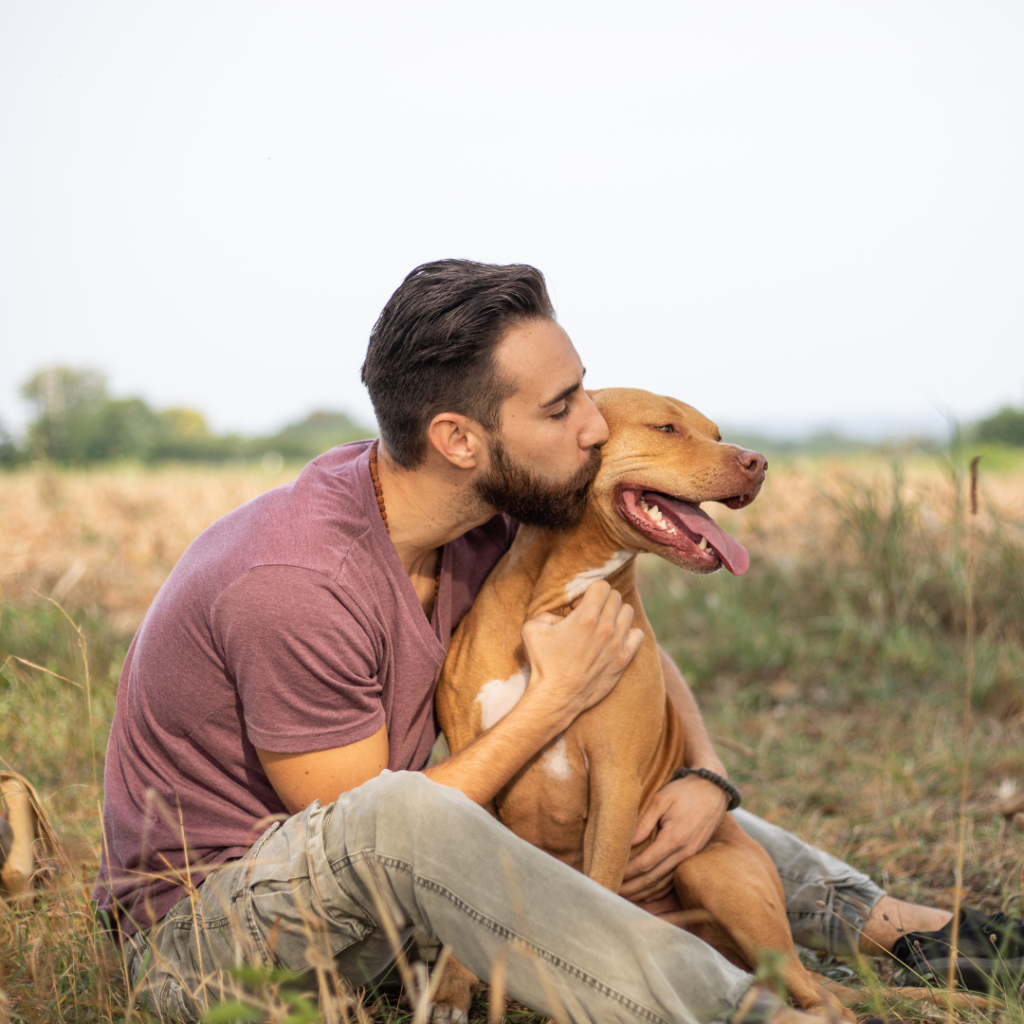
Lastly, employing calming techniques can be beneficial. Many pet owners have found success with soothing music designed for animals or utilizing calming pheromone diffusers that mimic the natural scents that comfort pets. These approaches can create a tranquil environment that eases anxiety.
By being proactive and attentive to signs of stress in pets, you can greatly enhance their quality of life. In Nigeria, as pets are increasingly embraced as integral members of families, fostering a supportive environment will not only lead to happier pets but also a more harmonious household. Thus, your awareness and timely intervention can make a significant difference in promoting the emotional well-being of your furry companions.
YOU MAY ALSO LIKE: Read read another article
Identifying Signs of Stress and Anxiety in Pets
As pet owners, it is our responsibility to ensure the well-being of our furry friends, and that begins with recognizing the subtle indicators of stress and anxiety. While some signs may be easily detectable, others can be more nuanced and require a keen eye to interpret. In Nigeria, with its vibrant lifestyle and sometimes chaotic environment, being aware of these signs becomes even more critical.
One of the primary behaviors to watch for is changes in appetite. Pets that are under stress may refuse to eat or overeat as a coping mechanism. For example, a normally enthusiastic dog may suddenly lose interest in their food during periods of disruption, such as when the family is busy with festive celebrations or during the hustle of urban life. This shift can affect their health, leading to weight loss or obesity, which are issues that many pet owners in Nigeria should be mindful of.
Another common sign of anxiety is excessive grooming. This behavior may manifest as a dog or cat obsessively licking or chewing at their fur, leading to bald patches or skin infections. This often indicates that the pet is attempting to soothe themselves in the face of distress, which can be exacerbated by environmental factors such as high noise levels in the neighborhood or the presence of strangers.
Furthermore, many pets exhibit reactive behavior in stressful situations. This includes growling, hissing, or barking in response to minor stimuli that would normally not provoke a reaction. These behaviors can lead to troubling social situations, particularly in families with children or when guests are present, spotlighting the need for immediate attention to the pet’s emotional state.
Other significant signs of stress and anxiety may include:
- Destructive behavior: Chewing on furniture or clawing at doors can indicate that your pet is feeling anxious when left alone.
- Pacing or restlessness: Pets may seem unable to settle down, reflecting their internal turmoil.
- Vocalization: Increased barking, howling, or meowing can suggest discomfort or anxiety.
- Changes in sleeping patterns: A stressed pet may sleep excessively or have difficulty finding a restful position.
Understanding these signs is crucial for addressing the root cause of stress. In a rapidly urbanizing Nigeria, with bustling activity often leading to overstimulation, it becomes essential for pet owners to assess their pets’ behaviors critically. Observing your pet’s changes and acting swiftly can prevent these stressors from leading to more severe issues, ensuring their emotional health remains intact.
How to Identify Signs of Stress and Anxiety in Pets
Recognizing the signs of stress and anxiety in pets is crucial for their overall well-being. Animals, like humans, exhibit various behaviors that may indicate they are experiencing distress. Some common signs to look out for include excessive barking, growling, or meowing, which often signifies agitation or discomfort. Additionally, changes in eating habits, such as refusing to eat or eating excessively, can be an indicator of emotional turmoil. Physical signs are also important; observe for excessive grooming, which may lead to hair loss, or destructive behavior such as chewing furniture or scratching at doors. Pets may also exhibit avoidance behaviors, such as hiding or isolating themselves, as symptoms of anxiety. Pacing or appearing restless can signify that a pet is unable to settle down, often reflecting heightened anxiety levels.H2>Ways to Relieve Stress and Anxiety in Pets
Once you identify signs of stress and anxiety in your pets, there are several strategies you can employ to help alleviate their discomfort. One of the most effective methods is creating a safe and comforting environment. Providing a quiet space where your pet can retreat and relax is vital. Items such as soft bedding, familiar toys, and calming scents can significantly help.Regular exercise is another powerful tool. Engaging your pet in physical activities not only boosts their mood but also reduces anxiety levels. Activities can include planned playtime, walks, or even training sessions that stimulate their minds and bodies.Additionally, consider the use of natural calming aids such as pheromone diffusers or anxiety wraps that can provide soothing pressure similar to swaddling in infants. Consulting with a veterinarian about the possibility of anxiety medication might also be prudent if signs of distress persist despite these efforts.It’s essential to monitor your pet’s behavior closely and make adjustments to your approach as necessary. Positive reinforcement, gentle patience, and professional guidance can help your beloved pet thrive, ensuring not only physical health but emotional tranquility as well.
| Signs of Stress | Relief Strategies |
|---|---|
| Excessive barking or meowing | Create a quiet space for your pet |
| Hiding or avoiding interaction | Offer activities like walks or playtime |
| Pacing or restlessness | Consider natural calming aids or consult a vet |
Always remember that understanding and addressing your pet’s emotional needs can foster a happier, healthier life for both you and your furry companions.
LEARN MORE: This related article may interest you
Effective Ways to Relieve Stress and Anxiety in Pets
Once you have identified the signs of stress and anxiety in your pet, the next step is finding effective ways to alleviate their distress. It is vital to devise a plan that not only addresses immediate concerns but also promotes long-term emotional stability. Here are some proven strategies for pet owners in Nigeria to consider.
Creating a Calm Environment is the first line of defense against stressors. This can be particularly important in urban areas where noise pollution and commotion are prevalent. Consider creating a designated quiet space within your home—a cozy corner with their favorite blanket and toys where they can retreat when feeling overwhelmed. Use curtains to block out excessive sunlight and insulation materials to help minimize external sounds. Playing soft classical or acoustic music may also help soothe anxiety-ridden pets.
Engagement and Exercise serve as excellent outlets for relieving stress. Regular physical activity not only helps keep your pet fit but also releases endorphins, improving their overall mood. For dogs, daily walks and interactive play sessions can significantly reduce anxiety levels. For cats, engaging them with feather wands or laser pointers can stimulate their hunting instincts and help burn off excess energy. In Nigeria’s outdoor spaces, safe parks and open areas provide fantastic opportunities for your dog to socialize and explore, which can also mitigate feelings of stress.
Training and Socialization are vital components in cultivating an emotionally balanced pet. By exposing them to new situations, environments, and people—under controlled circumstances—you can help reduce their anxiety over time. Positive reinforcement training not only builds a stronger bond between you and your pet but also instills confidence in them, allowing them to cope better with anxiety-inducing stimuli.
- Consider Professional Help: If your pet’s anxiety persists, do not hesitate to consult a veterinarian or a certified animal behaviorist. They can offer guidance tailored to your pet’s specific needs. In some cases, medication or behavior modification therapy may be recommended.
- Alternative Therapies: Techniques like aromatherapy, acupuncture, or the use of pheromone diffusers have shown promise in alleviating stress in pets. Look for products designed specifically for animals, and always review their safety and effectiveness.
Another crucial aspect to consider is the way you interact with your pet. Remaining calm and composed during stressful moments will help reassure your pet. Animals are incredibly intuitive and can pick up on their owners’ emotions. When you radiate calmness, it reinforces a sense of safety for your pet.
Additionally, maintaining a routine by sticking to regular feeding, walking, and playtimes can provide structure that pets find comforting. Familiarity with daily patterns helps reduce anxiety since pets thrive on predictability.
Nigerian pet owners should not underestimate the importance of community support as well. Engaging in local pet-owner events, educational workshops, or even online groups can provide solidarity and useful resources to ensure you are not alone in navigating these challenges.
In this fast-paced world, understanding how to identify and alleviate stress and anxiety in pets goes a long way in nurturing a happy, healthy companion. By acknowledging their needs and taking actionable steps, owners can create an environment where their pets can thrive, even amid the hustle and bustle of everyday life in Nigeria.
SEE ALSO: Click here to read another article
Conclusion
In conclusion, understanding the signs of stress and anxiety in pets is crucial for every responsible pet owner. By recognizing behaviors such as hiding, excessive barking, or changes in eating habits, you can take proactive steps to address their emotional needs. Creating a comfortable environment, engaging in regular exercise, and implementing positive reinforcement training are essential strategies that can significantly reduce anxiety levels.
Moreover, it is important to remember that each pet has a unique personality and may respond differently to various stimuli. Therefore, taking the time to observe and understand their individual behaviors will enable you to tailor interventions specifically suited to their needs. Consulting professionals when necessary and exploring alternative therapies can further enhance your pet’s well-being.
Furthermore, as pet owners in Nigeria, connecting with community resources, from local veterinary clinics to pet-owner support groups, can provide invaluable assistance in navigating the challenges of pet anxiety. By working together, we can cultivate a culture of awareness that ultimately leads to healthier and happier pets.
By prioritizing your pet’s emotional health and continually striving to create a nurturing atmosphere, you can ensure that their stress and anxiety are minimized. In doing so, we not only enhance their quality of life but also strengthen the bond we share with our beloved companions. For the sake of our pets, let’s take the necessary steps to foster a loving and stress-free environment where they can flourish.
Related posts:
The Importance of Socialization for the Well-Being of Pets
Socialization Techniques to Improve Interaction between Pets and Humans
The Importance of Sterilization and Castration in Animal Health and Population Control
The Influence of Physical Exercise on Pets' Quality of Life
Environmental Enrichment Strategies to Stimulate Natural Animal Behavior
How to Choose the Right Toys to Stimulate Your Pet's Development

Beatriz Johnson is a seasoned pet care expert and writer with a passion for simplifying the complexities of pet ownership and animal well-being. With over a decade of experience in the field, she specializes in topics like pet nutrition, training techniques, and health care. Through her work on our website, Beatriz empowers pet owners to make informed decisions and provide the best possible care for their furry friends, ensuring happy and healthy lives for their beloved companions.