
The Importance of Socialization in Pets
Socialization is a crucial aspect of a pet’s development, significantly shaping their emotional well-being and behavior. For dogs and cats alike, the experiences they encounter during their formative months can dictate how they respond to various stimuli throughout their lives. Pets that undergo thorough socialization processes generally exhibit positive behaviors that enable them to adapt more smoothly to different scenarios.
One of the primary advantages of socialization is the improvement of behavior. Dogs, for instance, learn to navigate various environments, such as crowded markets or busy streets, without displaying fear or aggression. This is incredibly important in bustling Nigerian cities like Lagos or Abuja, where the vibrant atmosphere can be overwhelming for animals that lack exposure to such surroundings. Similarly, well-socialized cats can manage interactions with unfamiliar guests or household changes more gracefully, reducing the likelihood of stress-induced behaviors like clawing or hiding.
Moreover, socialization plays a pivotal role in the reduction of anxiety. Pets that are regularly exposed to new sounds, sights, and social interactions become more resilient, which can significantly alleviate anxiety in previously fearful pets. For example, walking a dog through a busy market not only provides physical exercise but also exposes them to various people, scents, and other animals. This exposure can help diminish their fear of strangers or noisy environments, making outings more enjoyable and less stressful.
Additionally, socialized pets often form enhanced relationships with their owners and other animals. A well-adjusted dog is not only a joy to have around but also a positive companion for family members and friends. In Nigeria, where social gatherings often include pets, a dog that is friendly and well-mannered can be an asset, leading to richer interactions during events such as parties or family occasions.
However, the absence of proper socialization can result in significant behavioral challenges. Unsocialized pets may develop fears, aggression, or anxiety, leading to difficulties in everyday life. Owners may find themselves struggling with a dog that barks excessively at passersby or a cat that hides at the sound of the front door opening. This highlights the importance of taking proactive steps to ensure that pets are well-socialized, as it directly influences their emotional stability.
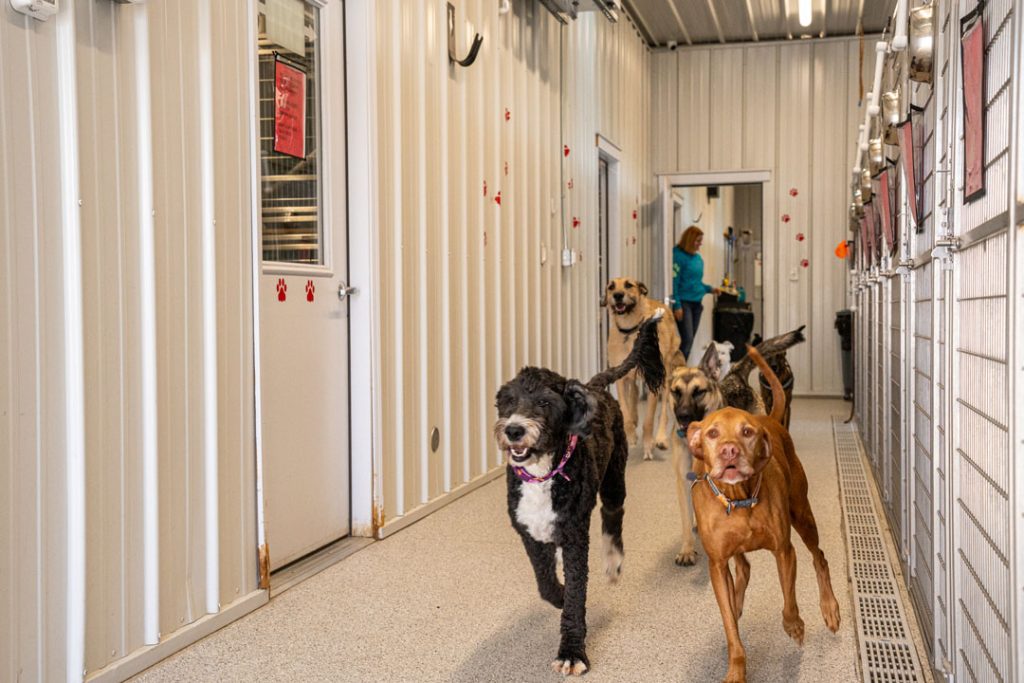
By recognizing the profound impact of socialization, pet owners can actively contribute to the happiness and health of their furry companions. Engaging in activities that promote effective socialization, such as taking pets to dog parks, introducing them to various types of people, or even participating in obedience classes, can lead to a well-adjusted and joyful pet. As such, understanding and prioritizing socialization could give every pet owner in Nigeria the keys to a more harmonious life with their beloved furry friends.
SEE ALSO: Click here to read another article
Understanding Socialization: A Vital Component of Emotional Well-being
Socialization is not merely a buzzword in the pet care community; it represents a fundamental building block for the emotional health of both dogs and cats. The process of socialization exposes pets to a range of stimuli and interactions that shape their responses to the world around them. Early and consistent exposure to diverse environments, people, animals, and experiences can lead to pets that are not only well-adjusted but also confident in their own skin. In Nigeria, where vibrant street life and a rich culture of gatherings are prevalent, socialization holds even more significance for pet owners and their furry companions.
To grasp the importance of socialization, it’s essential to recognize the various aspects its benefits. Here, we highlight three primary areas where socialization proves invaluable:
- Development of a Tolerable Temperament: A well-socialized pet fosters a peaceful coexistence with family members and friends. Dogs and cats that have been introduced to different people and environments tend to exhibit less anxious behaviors, allowing them to thrive in various social settings, from family dinners to neighborhood gatherings.
- Improved Coping Mechanisms: When pets are consistently exposed to different experiences, they are better equipped to handle sudden changes or unexpected situations. For example, a dog that has previously encountered barking dogs, honking cars, and bustling markets will be less likely to react with fear or aggression when faced with similar scenarios later in life. In the busy streets of Lagos, such preparedness can lead to a more fulfilling, low-stress lifestyle.
- Increased Physical and Mental Stimulation: Regular social interaction provides not only physical exercise but also mental challenges, which are crucial for a pet’s overall health. Engaging in activities with other pets—like playing fetch in a local park or joining feline playdates—encourages healthy energy outlets, keeping pets active and engaged.
The implications of socialization extend into the very essence of a pet’s happiness. Well-socialized dogs tend to be more adaptable and less prone to behavioral issues such as excessive barking or destructive chewing. Similarly, socially amenable cats are less likely to exhibit territorial behaviors or anxiety-driven escape attempts. This is particularly relevant in Nigeria, where living in communal areas often requires pets to share their space with unfamiliar animals and humans.
Moreover, the emotional landscape of an unsocialized pet can present considerable challenges. Pets lacking proper socialization may exhibit signs of distress or aggression, stressing their owners and hindering the bond they share. Disturbing behaviors might include fear-induced aggression towards strangers or excessive fear of loud noises. Consequently, pet owners are encouraged to prioritize socialization as a proactive approach for fostering a peaceful home environment.
In conclusion, understanding the importance of socialization is pivotal in nurturing the emotional health of dogs and cats. As Nigerian pet owners navigate the bustling realities of their cities, they must recognize that the efforts directed toward socializing their pets can yield significant long-term benefits, allowing for a harmonious living experience filled with joy and companionship.
The Importance of Socialization for the Emotional Health of Dogs and Cats
Socialization is a crucial element in ensuring that our canine and feline companions lead fulfilling lives. A well-socialized pet is not only able to interact positively with other animals but also enjoys a higher level of emotional health. This article delves deeper into the various benefits that socialization offers to dogs and cats, exploring how it influences their overall behavior and well-being.
| Advantage | Description |
|---|---|
| Improved Behavior | Socialized pets exhibit less anxiety and are less likely to develop behavioral issues such as aggression or phobias. |
| Enhanced Emotional Well-Being | Regular interaction with other animals and humans helps pets build confidence, reducing stress and leading to a happier life. |
By increasing their interactions through structured playdates, dog parks, or even pet classes, owners can significantly contribute to the emotional health of their dogs and cats. An important aspect is that puppies and kittens have sensitive developmental periods where socialization can greatly impact their behavior in adulthood. It’s vital for pet parents to introduce their young animals to a variety of environments, sounds, and experiences. Furthermore, socialization helps in developing crucial life skills for pets. Animals that engage in regular social activities tend to exhibit better adaptability to new situations and environments, making them less likely to exhibit fearful behavior. The bond formed during social interactions can lead to profound emotional connections, not just with other animals, but also with their human companions.In conclusion, investing time in the social development of your pets is essential. The benefits extend beyond just behavior improvement, enhancing their emotional health and overall happiness, which reflects positively on the bond shared between pets and their owners.
CHECK OUT: Click here to explore more
Fostering Stronger Bonds: The Role of Socialization in A Pet’s Life
Socialization is essential not only for a pet’s adaptability but also for developing stronger bonds between pets and their owners. Engaging in social activities can significantly enhance the emotional connection shared. For instance, when pet owners actively involve their dogs in community events—such as local dog shows, agility competitions, or group obedience classes—they create opportunities for trust-building and mutual enjoyment. This involvement not only strengthens their relationship but also establishes a supportive routine that can enhance the emotional well-being of both the pet and the owner.
In Nigeria, where the companionship of pets is increasingly valued, sharing experiences among pet owners and their furry friends can create a sense of community. Humans fervently enjoy the company of their pets, allowing them to build lasting memories, participate in community outings, and develop networks that further benefit the pets’ social skills. Visiting pet-friendly cafes or attending workshops dedicated to balanced pet care also allows dogs and cats to interact with other friendly animals, which enriches their social experiences.
Enhancing Communication Skills
An often-overlooked aspect of socialization is the development of effective communication skills in pets. Just as humans learn to express their feelings and needs through interactions, socialized pets also develop their own cues for communication. Well-socialized dogs, for example, often establish clearer behavioral signals that display their comfort or discomfort levels, which can be essential in preventing conflicts. A socially adept dog may learn to play gently with other dogs or recognize when it’s time to retreat, avoiding potential confrontations.
This understanding results in less stress for both pets and their owners since miscommunication can lead to anxiety and aggression. In urban settings like Lagos, where crowded conditions and unfamiliar surroundings often trigger stress for pets, learning good communication skills can significantly decrease the chances of behavioral turmoil. For instance, when a cat has been properly socialized, it is less likely to react defensively when encountering another feline or a new family member, leading to a more relaxed environment.
Long-term Health Benefits
The benefits of socialization stretch beyond behavioral improvements; they extend to long-term physical health as well. Studies show that pets experiencing higher levels of social stimulation often have lower stress levels, which is linked to improved immune responses and reduced risk of illnesses. For instance, a socially active dog is likely to experience lower cortisol levels—known as the “stress hormone”—over time, fostering a healthier and longer life.
Moreover, consistent interaction with other pets and people promotes ongoing mental engagement, which is essential for cognitive health. Just as puzzles and interactive games can keep a dog’s mind sharp, social playdates with other dogs or supervised interactions with friendly children can also provide mental stimulation and reduce the risk of cognitive decline in older pets. This reinforces the importance of developing a robust social circle for pets, especially in a society where community-oriented living is common.
Investing time in socialization can yield visible improvements in a pet’s emotional stability and behavior. As Nigerian pet owners navigate the challenges and joys of sharing their lives with dogs and cats, embracing socialization can play a critical role in fostering an emotionally enriched environment. With every outing, whether it’s a tranquil stroll through a neighborhood market or a spirited romp at a dog park, owners contribute to their pets’ happiness, resulting in a profound and lasting bond.
ADDITIONAL INSIGHTS: Expand your understanding here
Conclusion: The Integral Role of Socialization in Pet Well-Being
In summary, socialization is a fundamental aspect of nurturing the emotional health of dogs and cats. The positive impacts of early and ongoing social interactions cannot be overstated, as they pave the way for well-adjusted, emotionally stable pets that thrive in various environments. The journey of socialization aids in fostering bonds not just between pets and owners, but also within the broader community, enriching the lives of all involved.
By engaging pets in social activities and providing opportunities for interaction, owners contribute significantly to their furry companions’ overall health and happiness. Whether it’s through organized group activities, informal outings to parks, or simply allowing pets to interact with fellow animals and humans, the scope of socialization goes beyond behavioral refinement. It fosters emotional resilience, reduces anxiety, and enhances communication skills—crucial elements for harmonious living. Additionally, socialized animals exhibit improved physical health, with lower stress levels correlating to better immune responses and longer lifespans.
As Nigerian society increasingly embraces the role of pets as family members, understanding and implementing effective socialization practices is essential. By investing in their pets’ experiences, owners are not only enriching their pets’ lives but are also enhancing their own joy and fulfillment through shared moments. In a country where community thrives, the benefits of socialization reveal themselves as a multifaceted pathway toward emotional health, leading to happier pets and more cohesive families.
Ultimately, the importance of socialization extends far beyond mere companionship; it serves as a catalyst for a fulfilling and joyful life for both pets and their human counterparts. Embracing this concept will shape a future where dogs and cats lead emotionally healthy, vibrant lives, resonating with the love and care they receive from their families.
Related posts:
Parasite Prevention: How to Protect Your Pet from Fleas and Ticks
The Importance of Hygiene: Care for the Skin and Coat of Dogs and Cats
Preventive Care: Vaccination and Deworming in Pets
Natural Nutrition: Benefits of a Homemade Diet for Pet Health
The Importance of Socialization in the Mental Health of Pets
Healthy Eating Tips for Dogs and Cats: What to Avoid and What to Include

Beatriz Johnson is a seasoned pet care expert and writer with a passion for simplifying the complexities of pet ownership and animal well-being. With over a decade of experience in the field, she specializes in topics like pet nutrition, training techniques, and health care. Through her work on our website, Beatriz empowers pet owners to make informed decisions and provide the best possible care for their furry friends, ensuring happy and healthy lives for their beloved companions.