
Understanding the Role of Education and Training
Adopting a pet is a significant commitment that extends far beyond the initial excitement. It requires adequate knowledge and skills to ensure a successful transition for both the animal and the adopter. Education and training in animal adoption play a critical role in this journey, influencing the well-being of animals and the satisfaction of their new families.
Knowledge about Animal Behavior
Understanding an animal’s natural instincts is foundational for any prospective pet owner. Animals, just like humans, exhibit a range of behaviors influenced by their species, breed, and personal experiences. For instance, dogs have pack instincts and may exhibit separation anxiety if left alone for extended periods. By learning about these behavioral traits, adopters can implement positive reinforcement techniques to alleviate potential issues. Workshops or resources that focus on decoding animal body language can greatly benefit adopters in Nigeria, where some may not have interacted with certain breeds previously, leading to misunderstandings. This comprehensive understanding helps reduce the chances of behavioral issues that can result in pets being returned to shelters or abandoned.
Proper Care Techniques
Providing the right nutrition and health care is essential for a pet’s well-being. In Nigeria, where veterinary services may not always be accessible or affordable, education about basic pet care is crucial. Adopters need to be equipped with information about appropriate diets based on their pet’s age, size, and health conditions, as well as knowledge about common illnesses and first aid. Furthermore, regular vaccinations and preventative care can be life-saving, and understanding these necessities can steer adopters toward healthier outcomes for their pets. Community programs that offer free or low-cost vaccination drives can play a significant role in educating potential pet owners about their pets’ health needs.
Emotional Support and Bonding
Training can foster a deeper bond between the pet and owner, enhancing mutual trust. Bonding activities, such as obedience training or interactive play, not only teach pets essential skills but also strengthen relationships. It is particularly important in Nigeria, where many animals face abandonment due to behavioral problems stemming from a lack of training. By participating in group training classes, adopters can share experiences and challenges, creating a supportive community that emphasizes the importance of ongoing education and engagement with their animals.
In Nigeria, where animal welfare may still be developing, education can transform attitudes towards pet adoption. Many potential adopters remain unaware of the responsibilities involved, which can lead to unfortunate outcomes for the pets. Spreading awareness about the lifelong commitment of pet ownership and the resources available is instrumental in reducing the number of strays and neglected animals.
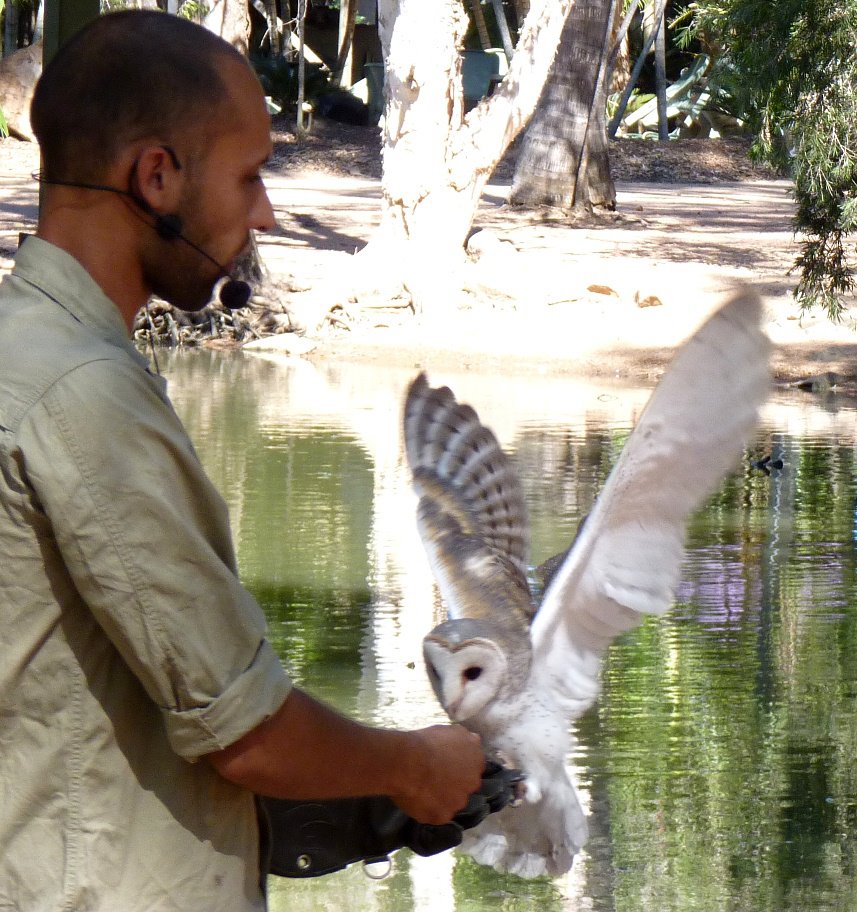
Ultimately, equipping potential adopters with essential information through workshops, community programs, or online courses can significantly improve the adoption experience. Society benefits when more pets find loving homes, and education is the key to achieving this goal. Initiatives aimed at educating the public on responsible pet ownership will not only improve individual pet lives but also foster a culture of empathy and respect towards all living beings in Nigeria, paving the way for a brighter future for pets and their owners alike.
CHECK OUT: Click here to explore more
Essential Skills for Responsible Pet Ownership
As the landscape of animal adoption continues to evolve, the emphasis on education and training becomes even more crucial. The relationship between potential pet owners and their new companions can be greatly enriched and enhanced through targeted education. Understanding the specific skills necessary for responsible pet ownership fosters a nurturing environment, ultimately benefiting both the pet and the adopter.
Understanding Animal Needs
A fundamental goal of education in animal adoption is to create awareness about the diverse needs of various animal species. Each type of pet comes with unique requirements that, if unmet, can lead to frustration for both the pet and their owner. For example, certain dog breeds require more exercise and social interaction than others. Adopters must educate themselves on the activity level, dietary needs, and potential behavioral challenges typical of the breeds they are considering. This knowledge is particularly relevant in Nigeria, where mixed breeds and local breeds might exhibit a range of behaviors influenced by their unique lineage. By engaging in educational seminars or informational sessions, potential adopters can make well-informed decisions that align with their lifestyle and capability.
Access to Resources
Education also plays a cardinal role in connecting adopters with essential resources. Knowing where to find veterinary services, pet supplies, and training facilities can significantly ease the transition into pet ownership. Here are some vital resources that should be made available to prospective adopters:
- Veterinary Clinics: Familiarizing oneself with local veterinarians who offer affordable services enhances the health care routines for pets.
- Training Classes: Community-based training classes can provide both education and socialization for pets, promoting positive behaviors.
- Support Groups: Joining forums or social media groups can offer a platform for adopters to share experiences, tips, and advice.
- Emergency Resources: Knowing where to turn for emergency care or behavioral crises ensures preparedness in every situation.
Promoting Responsible Adoption Practices
Education and training are crucial in advocating for responsible adoption practices. Many individuals in Nigeria still view animal adoption as an impulsive decision rather than a long-term commitment. Through outreach initiatives, shelters and organizations can spread knowledge about the responsibilities that come with pet ownership. This can include discussions around:
- Financial Commitment: Understanding the costs associated with pet ownership, including food, grooming, and veterinary care, helps prevent financial strain.
- Time Commitment: Recognizing that pets require time and attention is essential for ensuring their well-being.
- Lifetime Commitment: Educating potential adopters on the lifelong bond and responsibilities will cultivate a sense of duty toward the animal.
In promoting effective education and training related to animal adoption, organizations set the stage for more successful outcomes. Not only does this enhance the quality of life for pets, but it also leads to satisfied and informed owners who can advocate for animal welfare in their communities. Ultimately, the relationship between education and responsible pet ownership creates a ripple effect that benefits all stakeholders involved.
| Advantages of Education | Training Impact |
|---|---|
| Enhanced Awareness | Improved Owner Responsibility |
| Better Understanding of Animal Needs | Increased Successful Adoptions |
| Reduced Return Rates | Strengthened Community Engagement |
In the context of “The Importance of Education and Training in Animal Adoption,” it is essential to emphasize how enhanced awareness about animal welfare can significantly impact the adoption process. Educated adopters are more likely to thoroughly comprehend their pets’ needs, leading to more informed decisions and ultimately, better matches between animals and families. This knowledge decreases the chances of animals being returned to shelters, which is a common issue.Furthermore, training programs for both potential pet owners and shelter staff can offer tools to foster responsible caretaking and socialization techniques. Effective training not only promotes increased successful adoptions but also enhances the quality of life for the animals involved by ensuring they receive appropriate care and attention.Finally, community engagement through educational initiatives serves as a powerful avenue for advocacy. When communities rally around educational opportunities regarding animal adoption, they inspire a culture of consciousness that can lead to more sustainable adoption practices and a greater commitment to animal welfare overall.
LEARN MORE: This related article may interest you
Empowering Communities Through Education
Education and training in animal adoption extend beyond individual pet owners, fostering community awareness and respect for animal welfare. By reaching out to various communities in Nigeria, animal welfare organizations and shelters can create a collective consciousness about the importance of responsible pet ownership. Workshops, school programs, and public exhibitions can help disseminate information, encourage adoption, and elucidate the reasons behind the critical need for educated adopters.
Community Engagement
Engaging the community is vital in transforming perceptions surrounding animal adoption. Educational programs can help dismantle misconceptions about adopted animals, such as the belief that shelter pets are often problematic or unhealthy. By presenting evidence-based statistics and success stories of adopted animals, organizations can inspire much-needed confidence in potential adopters. Moreover, programs can include training for families on how to incorporate pets into their lives positively, demonstrating the benefits of companionship and loyalty that dogs or cats can provide.
Addressing Overpopulation and Euthanasia
One of the pressing issues in Nigeria, as in many parts of the world, is the overpopulation of stray animals. This situation can lead to dire consequences, including the unnecessary euthanasia of healthy animals. Education plays a fundamental role in addressing this issue by promoting responsible practices such as spaying and neutering.
Organizations can inform communities about the importance of these practices in controlling pet populations. By offering workshops or discounts on veterinary services for spay/neuter procedures, adopting a proactive approach can help mitigate overpopulation. Educated adopters are more likely to become advocates for these practices, aiding in the long-term solution to the crisis.
The Role of Technology in Education
The advent of technology has revolutionized how information is shared, especially in a rapidly digitizing world like Nigeria. Social media platforms, websites, and mobile applications can offer user-friendly resources for potential adopters. Educational videos, articles, and infographics can illustrate essential skills needed for responsible pet ownership, making learning engaging and accessible.
Additionally, local shelters can utilize social media to highlight adoptable pets, share training tips, and foster community discussions. By creating engaging online content that encourages responsible pet ownership, organizations can tap into younger demographics who are increasingly influential about adoption choices.
Building a Culture of Compassion
Ultimately, education and training in animal adoption aim to cultivate a culture of compassion and respect for animals throughout Nigerian society. When communities come together to learn, share experiences, and cultivate empathy, they create a supportive network that goes beyond mere pet ownership. This culture can lead to improved animal welfare standards, promote humane treatment, and inspire future generations to value the lives of animals.
A strong educational framework also encourages responsible advocacy, transforming former adopters into ambassadors for change. Through continued awareness efforts, the message of responsible animal adoption can thrive, ensuring that every pet receives the loving home it deserves.
CHECK OUT: Click here to explore more
Conclusion: A Pathway to Responsible Animal Adoption
In conclusion, the significance of education and training in animal adoption cannot be overstated. By empowering individuals and communities with knowledge, we foster a culture that values responsible pet ownership and humane treatment of animals. The comprehensive approach discussed throughout this article emphasizes not just the adoption process but also the lifelong commitment that comes with pet parenting. Education dismantles stereotypes surrounding shelter animals, opening doors to a broader understanding of their unique worth and the joy they can bring into homes.
Moreover, community engagement activities and innovative digital platforms play a transformative role in addressing critical issues such as overpopulation and the associated risks of euthanasia. By encouraging practices like spaying and neutering, we can tackle these challenges head-on, reducing the strain on our animal shelters. The data showcases that educated adopters are more likely to advocate for these responsible practices, ultimately leading to a more sustainable solution to animal welfare crises.
As we continue on this journey toward a compassionate society, it is evident that education serves as the cornerstone for change. By actively investing in the training and awareness of current and prospective adopters, we create advocates for animal welfare who are equipped not only with knowledge but also with empathy. Let us work together to ensure that every animal has a chance at a loving home, paving the way for a future where animals are treated with the respect and kindness they deserve.
Related posts:
The myths and truths about pet adoption: demystifying prejudices in Nigeria
How Conscious Adoption Can Combat Animal Abandonment
Adopting a Senior Pet: Benefits and Considerations
Success Stories: Inspiring Transformations of Adopted Animals in Nigeria
How to Choose the Ideal Pet for Adoption: Tips for Nigerian Families
Preparing Your Home for the Arrival of a New Pet: A Practical Guide

Beatriz Johnson is a seasoned pet care expert and writer with a passion for simplifying the complexities of pet ownership and animal well-being. With over a decade of experience in the field, she specializes in topics like pet nutrition, training techniques, and health care. Through her work on our website, Beatriz empowers pet owners to make informed decisions and provide the best possible care for their furry friends, ensuring happy and healthy lives for their beloved companions.