The Art of Deciphering: How Strategy Games Improve Critical Thinking
The Allure of Strategy Games
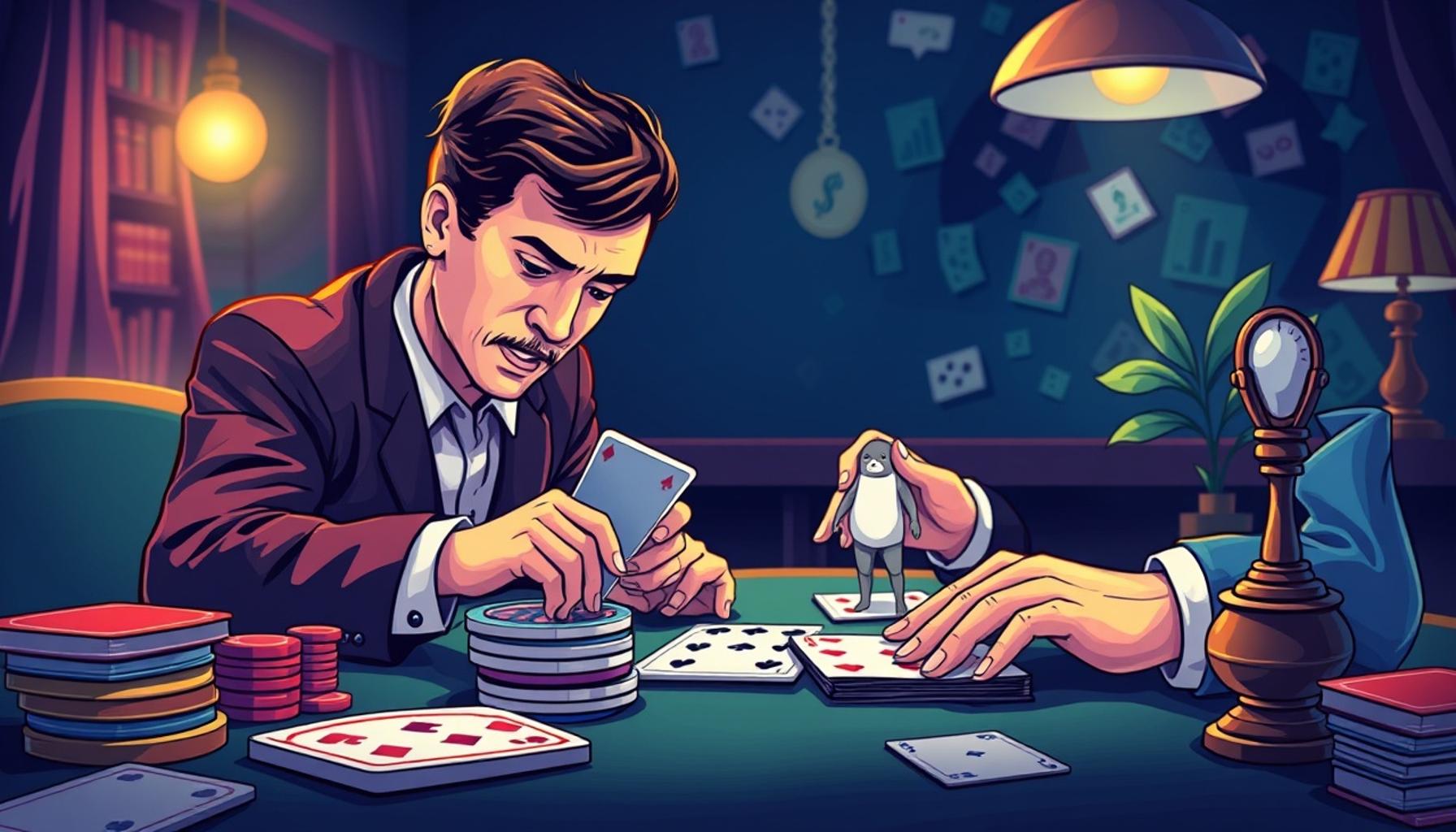
Strategy games have long captivated audiences around the globe with their intricate designs and engaging mechanics. These games are not merely a form of entertainment; they are also powerful tools for enhancing critical thinking skills in players of all ages. But what exactly lies behind this allure?
At their core, strategy games require players to navigate complex scenarios and make decisions that can significantly alter the game’s outcome. This dynamic not only adds to the thrill but also fosters the development of various cognitive abilities. For example, analytical thinking is a key component as players assess threats and opportunities within the game environment. They learn to evaluate information, weighing the odds for potential outcomes. Take chess, for example; each piece has its unique movement pattern and potential vulnerabilities, compelling players to think several moves ahead.
Problem-solving is another critical skill honed through gameplay. Every move necessitates a well-thought-out strategy, pushing players to devise solutions in real-time. In real-time strategy games like StarCraft, players must respond swiftly to changes on the battlefield, showcasing their ability to strategize under pressure. This creates an immersive experience where each decision counts and mistakes can lead to defeat.
Furthermore, the adaptability of players improves significantly. Each game presents new challenges and requires quick adjustments and flexibility in approach. Whether it is adapting to a sudden change in an opponent’s strategy or responding to unforeseen events in a game such as Risk, players develop resilience and the ability to pivot quickly.
Extensive research suggests that individuals who engage in strategy games frequently experience measurable improvements in their reasoning and decision-making skills. For instance, studies indicate that regular players may demonstrate higher intelligence quotients compared to non-players. This correlation may stem from the gaming environment’s demand for high-level cognitive engagement.
Moreover, these games enhance focus by sharpening a player’s attention span, as many games require prolonged periods of concentration to achieve success. Take popular titles like Civilization, where players invest years of in-game time to build and sustain empires, relying on their ability to maintain focus throughout. Additionally, teamwork and collaboration are vital in multiplayer formats, which foster communication and enhance social skills. Games such as League of Legends require players to work in teams and strategize together, creating a sense of community and shared goals.
As we explore the captivating world of strategy games, it becomes evident that the art of deciphering strategies not only entertains but profoundly transforms cognitive abilities. From improved analytical skills to enhanced social collaboration, these games offer a unique platform for players to unlock their mind’s potential. The next time you engage in a strategic quest, remember that you are participating in an experience that can lead to personal growth and cognitive transformation.
DISCOVER MORE: Click here to delve into creative challenges
Decoding the Mechanisms of Thought
The intricate world of strategy games operates on a level that transcends traditional play. These games challenge players to employ a structured approach to decision-making, ultimately leading to enhanced critical thinking skills. As players immerse themselves in these complex environments, they engage in a mental exercise that shapes their ability to analyze information and solve problems.
At a fundamental level, strategy games force players to grapple with the unpredictable nature of outcomes, requiring them to develop a keen sense of foresight. For instance, in games like Warhammer 40,000, players must consider not only their current position but also how their decisions will influence future turns. This forward-thinking mindset promotes a disciplined approach to reasoning—an aspect often overlooked in fast-paced entertainment.
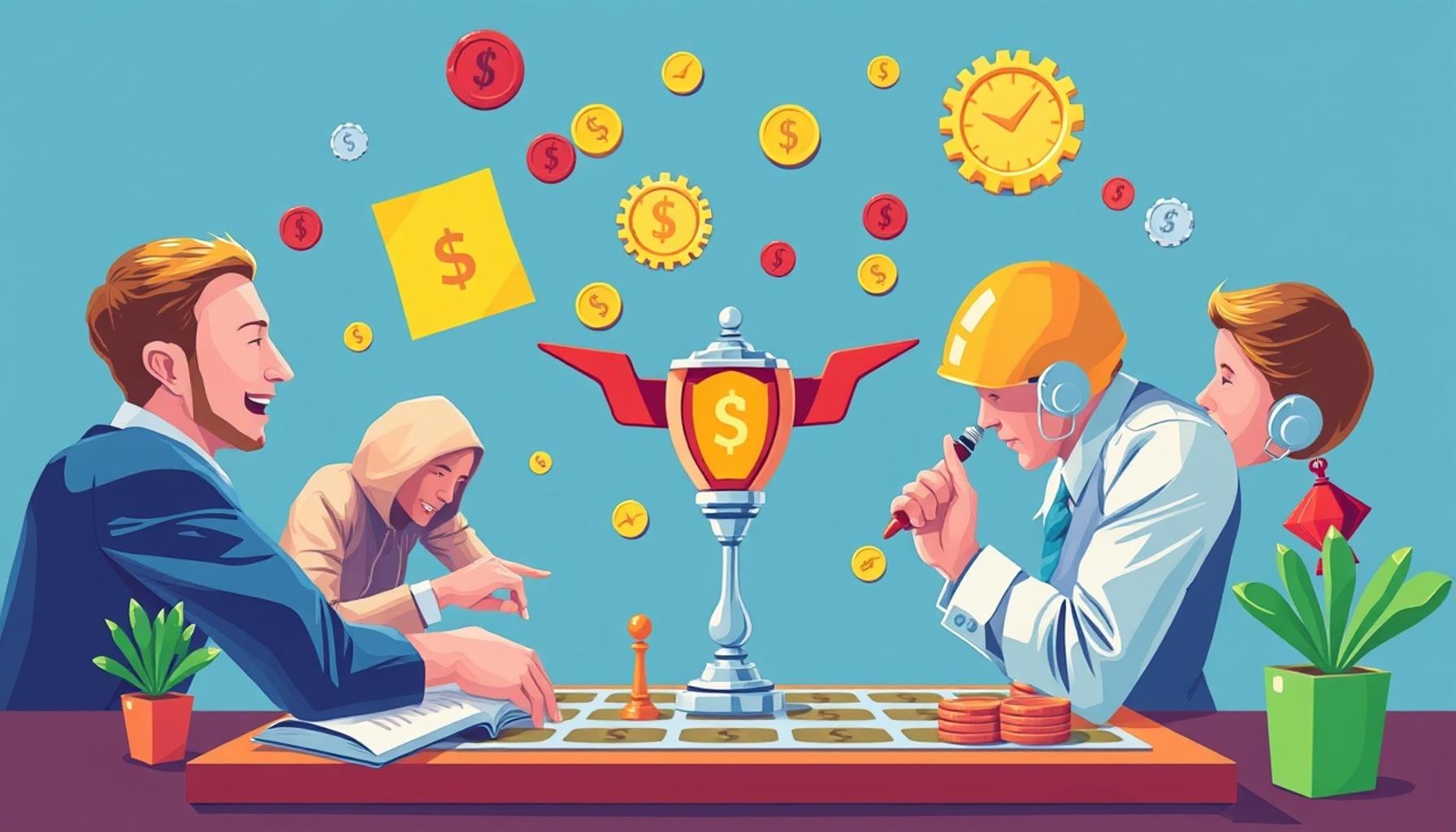
Moreover, these games are structured to present players with multifaceted problems that demand a blend of creativity and logic. Players often find themselves in situations where they must balance resource management, risk assessment, and tactical execution. Here are some nuances associated with strategy games that enhance critical thinking:
- Resource Allocation: Players learn to manage limited resources effectively, prioritizing various aspects of their strategy. In games like Age of Empires, the correct distribution of food, wood, and stone can mean the difference between victory and defeat.
- Anticipating Opponents: An essential element of strategy games is understanding that players are often in direct competition. Learning to predict an opponent’s moves and counter-strategies fosters a deeper understanding of game dynamics as well as interpersonal tactics.
- Scenario Analysis: Players constantly evaluate “what-if” scenarios, allowing them to foresee potential risks. This practice translates well to real-life situations where assessing multiple outcomes is crucial, be it in business negotiations or personal decisions.
- Long-term Planning: Strategy games often reward foresight and patience. Players must set long-term goals while maintaining the flexibility to adapt their plans as the game evolves, a skill that is invaluable in professional life.
These mechanisms highlight just a few ways that strategy games scaffold a player’s cognitive development. Different genres may focus on specific skills; for instance, turn-based strategy games, such as XCOM, emphasize planning and tactical positioning, while real-time strategies like Command & Conquer promote quick thinking and rapid decision-making.
The continual practice inherent in gameplay not only sharpens critical thinking skills but also nurtures a mindset oriented toward improvement. Players learn to embrace failure as part of the learning process; a missed opportunity in a game prompts reflection and recalibration. This iterative process reinforces resilience, a powerful trait that benefits players in both gaming and real-world scenarios.
Overall, strategy games serve as much more than a source of entertainment—they are rich landscapes for cognitive exploration. As players unlock new levels of understanding through their in-game experiences, they equip themselves with critical thinking skills that extend beyond the gaming table, influencing their professional, academic, and personal lives.
The Art of Deciphering: How Strategy Games Improve Critical Thinking
Strategy games have long been recognized for their potential to enhance critical thinking capabilities, and recent studies underscore their impact on cognitive development. Players are often thrust into dynamic environments where they must analyze information, make quick decisions, and anticipate opponents’ moves. This constant engagement sharpens the mind in unprecedented ways, encouraging individuals to explore complex strategies while assessing risks and rewards.One of the most compelling benefits is the cultivation of problem-solving skills. As players navigate intricate scenarios, they learn to plant their strategic roots firmly, developing the ability to dissect challenges into manageable components. Whether it’s configuring an optimal defense in a tower defense game or orchestrating an intricate maneuver in a real-time strategy game, the emphasis on planning and adaptability is paramount. These games also encourage players to think several steps ahead, enhancing their foresight in decision-making, a skill transferable to real-world situations.Moreover, strategy games often involve teamwork, which promotes collaborative thinking. Players are typically required to communicate effectively with teammates, share insights, and devise collective strategies to achieve success. This cooperation not only sharpens their competitive edge but also fosters interpersonal skills necessary for professional and personal interactions.To further explore these fascinating dimensions of strategy gaming, researchers are continuously investigating their broader implications on cognitive development. This ongoing inquiry reveals just how profound the impact of these games can be, prompting players to refine their critical thinking abilities while having fun. The question remains—what new lessons await players venturing into the world of strategy games?
| Category 1 | Category 2 |
|---|---|
| Cognitive Skills | Enhances problem-solving and analytical thinking. |
| Collaboration | Fosters communication and teamwork among players. |
Continuing to delve into these themes reveals endless opportunities for growth and learning. As the landscape of strategy games evolves, so too does the potential for unprecedented cognitive advancements.
DIVE DEEPER: Click here to learn more
Mastering the Art of Adaptation
One of the defining features of strategy games is their inherent adaptability, requiring players to adjust their tactics based on ever-changing scenarios. This dynamic environment fosters a resilience that is crucial for critical thinking. The ability to pivot in response to new challenges not only enhances strategic acumen within the game but also sharpens real-world problem-solving capabilities.
Consider games like StarCraft II, where players must constantly adapt to an opponent’s strategy while managing their resources and units. The game’s fast-paced nature emphasizes the necessity of making swift, yet informed decisions under pressure. This exercise in adaptability trains players to think on their feet, a skill that resonates well beyond the confines of the gaming world. In high-stakes business meetings or during crises, the ability to reassess and modify approaches becomes invaluable.
Furthermore, strategy games can serve as a canvas for testing theoretical concepts in a low-stakes environment. Players engage in experiments with different strategies to see what succeeds and what fails. An example is found in Civilization VI, where players can pursue various victory paths—be it military domination, cultural leadership, or scientific advancement. This experimentation not only teaches players about the consequences of their decisions but also instills a scientific mindset, encouraging a hypothesis-driven approach where strategies can be tweaked based on trial and error.
Moreover, the social aspect of strategy games can’t be understated. Multiplayer formats often demand collaboration and negotiation, posing unique challenges that require players to exercise critical thinking in group dynamics. Participants must navigate the complexities of alliances, betrayals, and consensus-building, mirroring real-world interactions in workplaces and communities. The learned ability to communicate effectively, listen, and persuade peers is a crucial byproduct of this engagement.
- Collaborative Problem-Solving: In games like Dungeons & Dragons, players must work together to overcome obstacles, prompting deeper insights into teamwork that can translate into enhanced interpersonal skills.
- Negotiation Skills: Games often incorporate elements where players must engage in diplomacy or trade. This practice develops critical negotiation skills necessary for success in personal and professional environments.
The interplay of competition and cooperation within these games fuels a comprehensive understanding of human psychology. Understanding opponents’ motivations and intentions is key in any strategic setting. For instance, players of Risk must develop a keen sense of when to be aggressive and when to form alliances, reflecting the complexities of real-world relationships and the art of persuasion.
Today, educational institutions and corporate training programs are increasingly recognizing the value of strategy games in developing critical thinking. Workshops that incorporate game-based learning allow participants to immerse themselves in a simulated environment where they can hone their strategic thinking and adaptability. By utilizing games, institutions can teach analytical skills in a way that is engaging and relevant to contemporary society’s fast-paced demands.
As we explore the relationship between strategy games and critical thinking, we uncover a digital learning ecosystem that prepares players for the multifaceted challenges of everyday life. The blend of strategy, adaptability, and social interaction creates a rich groundwork for cognitive enhancement, equipping players with crucial skills applicable in various aspects of their lives.
DISCOVER MORE: Click here to dive deeper into the neuroscience of memory
Conclusion: The Transformative Power of Strategy Games
In an era where critical thinking has never been more essential, strategy games emerge as a vibrant platform for cognitive development. These games cultivate an environment where players are challenged to think analytically, adapt dynamically, and collaborate effectively. The intricate mechanics of games such as StarCraft II and Civilization VI not only entertain but also serve as invaluable tools for refining decision-making skills that translate seamlessly into real-world scenarios.
The ability to engage in strategic experimentation allows players to test hypotheses, assess risks, and understand complex consequences—all vital skills for modern life. Additionally, the social interactions fostered in these games enhance communication and negotiation abilities, proving that critical thinking is as much about understanding others as it is about analyzing situations. As players navigate the intricate landscapes of alliances and rivalries, they gain insights into human psychology that can inform various aspects of life—from personal relationships to professional environments.
Educational institutions and workplaces are beginning to embrace this potential, with game-based learning strategies gaining traction for their capacity to create engaging, relevant learning experiences. As we continue to explore the intersection of gaming and cognitive skills, it becomes clear that the art of deciphering strategies within these games is not merely a pastime; it is a profound journey of intellectual growth. Embracing strategy games can empower individuals, equipping them with the critical thinking skills necessary to tackle the complexities of contemporary life—where success often hinges on adaptability, insight, and collaboration.