Competitive Mindset: Learning to Plan with Board Games and Puzzles
Engaging the Mind Through Play
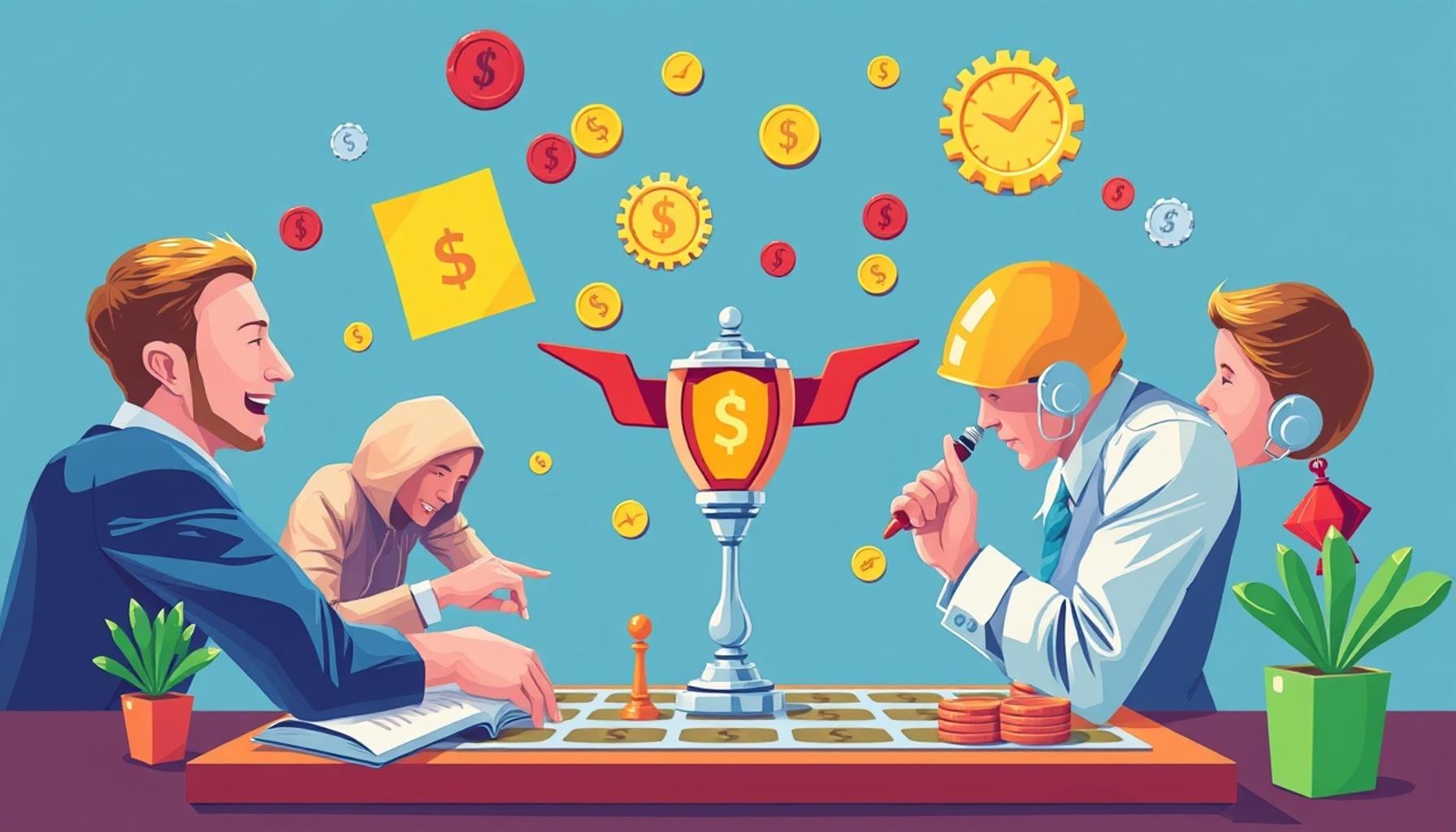
In a world driven by strategy and competition, developing a competitive mindset is essential for success in both personal and professional undertakings. Beyond conventional learning methods, board games and puzzles have emerged as powerful tools for enhancing cognitive skills and teaching effective planning. As these activities blend entertainment with education, they provide meaningful experiences that sharpen the mind.
Why Board Games and Puzzles?
Engaging in board games and puzzles offers a unique mix of enjoyment and learning. Here are some key reasons why they are effective:
- Strategic Thinking: Players are required to evaluate their options critically and plan their moves ahead of time. For example, a game like Chess challenges players to foresee several moves in advance, encouraging an analytical mindset that is applicable in real-life scenarios such as business planning or project management.
- Problem-Solving Skills: Puzzles present challenges that demand creative solutions. Consider the popularity of escape room games, where players must solve intricate puzzles within a time limit. Each challenge enhances one’s ability to tackle obstacles and think out of the box.
- Decision-Making: Timely decisions can lead to victory or defeat, effectively mimicking real-life scenarios. In games like Settlers of Catan, players must quickly decide when to trade resources or build settlements, reinforcing the importance of making informed choices swiftly.
Skills Developed Through Play
Participating in board games and puzzles fosters essential skills that carry over into various aspects of life, including:
- Goal Setting: Players learn to set clear objectives, such as accumulating the most points or completing a puzzle first. This skill can translate to setting personal goals, whether they are aimed at career advancement or personal growth.
- Risk Assessment: Evaluating risks is an integral part of many games, helping players make strategic decisions in moments of uncertainty. For instance, poker encourages players to assess the odds, a skill that can inform investment choices in the stock market.
- Adaptability: Players learn to adjust their strategies based on opponents’ actions. In games like Monopoly, the market can quickly change, forcing players to adapt or face potential bankruptcy, highlighting the importance of flexibility in both gaming and business environments.
Exploring these engaging activities allows individuals to harness and cultivate skills vital for thriving in today’s competitive marketplace. The next time you sit down for a game, remember that you’re not just having fun; you’re also building a competitive edge that can serve you throughout your life. Whether it’s through the complexities of a board game or the intricacies of a challenging puzzle, the journey of play is also a journey of growth.
DISCOVER MORE: Click here to uncover the benefits of mathematical puzzles
Unleashing Cognitive Abilities Through Strategy
As individuals navigate the complexities of everyday challenges, a competitive mindset plays a pivotal role in achieving success. Board games and puzzles serve as effective mediums for honing this mindset while simultaneously encouraging social interaction and strategic thinking. By engaging with these interactive formats, players deepen their understanding of planning, resource management, and foresight—key elements that are often overlooked in traditional educational settings.
The Neuroscience of Play
Research has shown that engaging with challenging games stimulates various areas of the brain, enhancing cognitive functions such as memory, attention, and problem-solving. Specifically, games requiring strategic planning can lead to improved neural connections in the prefrontal cortex, which is responsible for higher-order thinking and decision-making. For example:
- Memory Retention: Games like Scrabble not only boost vocabulary but also improve memory retention through repeated engagement with letters and word formations.
- Attention to Detail: Jigsaw puzzles encourage players to focus on small pieces that fit into a larger picture, teaching them the importance of detail-oriented thinking in both games and real-world tasks.
- Multi-tasking Ability: In fast-paced games such as Carcassonne, players must plan their moves while keeping an eye on their competitors, promoting the ability to juggle multiple responsibilities.
Cultivating a Competitive Edge
Board games and puzzles create an environment where learning occurs organically. As players engage in competition, they naturally develop an arsenal of skills that can be directly applied to their professional lives. Here are a few key competencies enhanced through play:
- Collaboration: Many board games require teamwork, mirror real-life collaborations in business, and showcase the importance of working towards a common goal.
- Persistence: Games often entail a series of setbacks and challenges, teaching players the value of persistence and resilience in overcoming obstacles, which is invaluable in any competitive field.
- Time Management: Players are frequently faced with time constraints in games, urging them to make quick, effective decisions while prioritizing their goals. This skill is crucial for managing deadlines in a professional environment.
By embracing the lessons embedded in board games and puzzles, individuals can build a strong foundation for a competitive mindset. Instead of viewing downtime solely as entertainment, it’s essential to recognize the profound impact these activities can have on personal and professional growth. So, the next time you gather with friends for a game night or tackle a complex puzzle, know that you are actively nurturing skills that will enhance your ability to thrive in competitive landscapes.
| Advantages | Details |
|---|---|
| Enhances Strategic Thinking | Board games and puzzles require critical analysis and forward planning, skills essential for both personal and professional situations. |
| Improves Problem-Solving Skills | Engaging with these games encourages players to develop creative solutions while facing challenges, enhancing adaptability and resilience. |
The theme of “Competitive Mindset: Learning to Plan with Board Games and Puzzles” plays a crucial role in personal development, offering pathways to enhance one’s cognitive abilities through engaging play. By utilizing board games and puzzles, individuals are not merely entertained; they are actively cultivating skills that translate into real-world challenges. The experience goes beyond enjoyment; it lays the foundation for the development of a proactive mindset. With every challenging level or strategic move, players are challenged to utilize logical reasoning and scenario analysis, essential elements in both academic pursuits and workplace dynamics. Moreover, the unique configurations of puzzles and games necessitate an understanding of varying outcomes based on player choices, enhancing decision-making capabilities that can be applied in everyday life.Incorporating these activities into regular routines can further lead to improved communication skills and teamwork, as many board games encourage collaboration among players. This holistic development is crucial for fostering a competitive mindset, making learning both effective and enjoyable. Exploring the depths of board games can further unveil their impact on emotional intelligence, particularly in recognizing and managing one’s reactions during competitive settings.
DIVE DEEPER: Click here to uncover the connections between creativity and logic challenges
Fostering Strategic Thinking and Innovation
In the world of modern workplaces where rapid changes and unpredictable markets dominate, maintaining a competitive mindset has never been more vital. Board games and puzzles not only facilitate planning and strategy but also play a significant role in enhancing creative problem-solving skills. Engaging in these activities promotes a mindset that thrives on innovation and adaptability, skills that are essential for overcoming the challenges of contemporary professional environments.
The Role of Creativity in Competition
While many may associate competition with rigid strategies, the reality is that creativity is often the cornerstone of success. Board games encourage players to think outside the box to achieve their objectives. For instance:
- Imaginative Strategies: Games like Catan involve resource trading and territory expansion, pushing players to devise novel strategies that can outsmart their opponents. This can translate into innovative business solutions in real-life scenarios.
- Scenario Planning: Puzzle-solving requires envisioning multiple outcomes based on current decisions, mirroring the process of scenario planning in business, where executives anticipate future challenges and devise flexible strategies.
- Risk Assessment: In competitive games such as Risk, players must weigh the potential rewards of aggressive strategies against the risks of losing territory, fostering a mindset that carefully evaluates risk and reward—a skill invaluable in any entrepreneurial endeavor.
Interpersonal Skills and Emotional Intelligence
Another key advantage of engaging with board games and puzzles lies in their capacity to teach emotional intelligence and interpersonal skills. Through these games, players learn to navigate relationships and understand the importance of social dynamics:
- Negotiation Skills: Many board games require negotiation for resources and alliances, honing players’ abilities to communicate effectively and persuade others, skills that are crucial in both workplace collaborations and competitive negotiations.
- Empathy: Understanding opponents’ motives and planning for their moves necessitates a degree of empathy, which is essential for fostering strong interpersonal relationships in a competitive environment.
- Conflict Resolution: Engaging in games inevitably leads to disagreements, teaching players conflict resolution strategies that can assist in maintaining harmonious workplace relationships.
Moreover, research suggests that playing games in groups can enhance team dynamics, as it encourages open dialogue, fosters trust, and enables the sharing of diverse perspectives. This collaborative environment is reminiscent of Agile work methodologies, which emphasize teamwork and flexibility in achieving shared objectives.
Metrics for Measuring Growth
Setting measurable goals while engaging in board games and puzzles can demonstrate growth in a competitive mindset. Players can track their performances, such as:
- Win Rates: Monitoring how often one wins or improves score can encourage players to reflect on their strategies and adapt their planning approaches.
- Performance under Pressure: Analyzing decision-making processes under time constraints can provide insight into one’s ability to thrive in high-stakes situations—a crucial competency in fast-paced business environments.
- Feedback: Actively soliciting feedback from fellow players about strategies and decisions can foster continuous learning and improvement, reinforcing the importance of a growth mindset.
By recognizing these dynamics within board games and puzzles, individuals can actively foster the skills necessary for developing a robust competitive mindset. In an increasingly competitive world, these recreational activities offer more than just enjoyment; they lay the groundwork for strategic skills that can be leveraged for professional advancement and personal growth.
DIVE DEEPER: Click here to uncover the benefits of guessing games
Conclusion: The Strategic Advantage of Board Games and Puzzles
In summary, cultivating a strong competitive mindset through board games and puzzles provides invaluable benefits that extend far beyond mere entertainment. These activities not only stimulate strategic thinking and creativity but also nurture essential interpersonal skills such as negotiation, empathy, and conflict resolution. As players confront various scenarios and challenges within these games, they become adept at evaluating risks, planning multiple strategies, and adapting to dynamic conditions—skills akin to navigating the complexities of the business world.
Additionally, by empirically tracking progress through win rates and performance metrics under pressure, individuals can monitor their growth in real-time and reinforce a growth mindset. This data-driven approach encourages continuous improvement, making the leap from game strategy to practical applications in professional environments smoother and more impactful.
As the job market continues to evolve and sophistication in business practices demands innovative solutions, the lessons learned from strategic games become paramount. They equip individuals with the capacity to embrace competition, innovate solutions, and collaborate effectively with others. It is in this playful yet highly productive arena that we find the roots of a resilient competitive mindset. By recognizing the value of board games and puzzles in this context, one can engage in a fun and fulfilling way to prepare for challenges ahead, both in personal endeavors and professional pursuits.