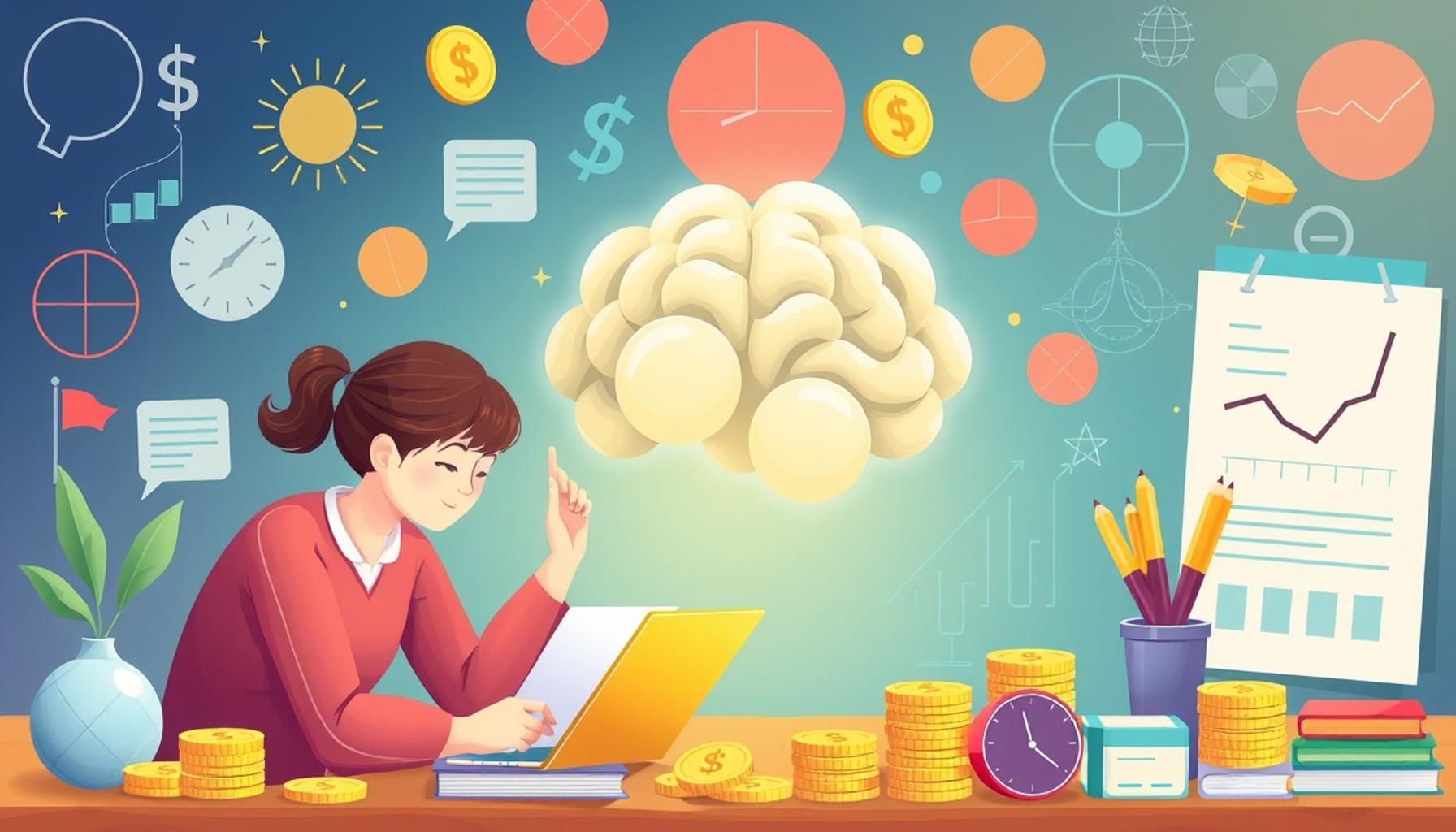
The Role of Cognitive Exercises in Boosting Memory Retention
Unlocking Memory Potential
Have you ever been in a frantic search for your keys or found yourself unable to recall the name of someone you met recently? These memory lapses are common frustrations that many of us experience. In our fast-paced world, where information overload is the norm, our brain’s ability to retain and recall information can wane. However, an emerging field suggests that cognitive exercises might be key to enhancing our memory retention, offering a promising solution to combat these frequent frustrations.
What are Cognitive Exercises?
Cognitive exercises are activities specifically designed to challenge and stimulate various functions of the brain. These exercises can enhance mental agility, improve memory function, and foster a sharper focus. They engage different cognitive processes, making them more versatile and effective in improving overall brain health.
Examples of Cognitive Exercises
- Puzzles: Engaging in crossword puzzles, Sudoku, or jigsaw puzzles can help enhance problem-solving skills and enhance memory recall.
- Memory Games: Playing card matching games or using apps like Lumosity can build memory capacity and enhance cognitive flexibility.
- Learning New Skills: Taking up a new hobby, such as playing a musical instrument, learning a new language, or even cooking a new recipe, challenges the brain, training it to form new pathways and connections.
The Benefits
The benefits of incorporating cognitive exercises into your routine are profound. Research has shown that participating in these brain-stimulating activities can lead to notable improvements in our ability to memorize and retain information. For instance, studies indicate that cognitive decline can begin as early as our 30s, emphasizing the importance of proactive mental health measures.
Moreover, various methods of cognitive training can provide tailored approaches, whether you’re a student cramming for exams or an older adult aiming to maintain mental sharpness. Gamified, interactive platforms can make learning enjoyable, while traditional techniques remain effective for those who prefer tactile engagement. By integrating memory-boosting practices into daily routines, individuals stand to gain both mental resilience and a greater quality of life.
Exploring the Role of Cognitive Exercises
As we delve deeper into the fascinating role of cognitive exercises, you’re bound to uncover simple yet effective methodologies that can enhance your memory significantly. Activities often considered mere pastimes may indeed serve as critical components of a robust cognitive regimen. From the thrill of solving a mystery in a gripping novel to the focused attention required in a strategy board game, there are countless pathways to explore.
Initiate your journey toward unlocking your brain’s full potential. Monitor your progress, stay curious, and keep challenging yourself; the benefits may exceed your wildest expectations. Engaging in consistent cognitive activities not only bolsters memory but also promotes a healthier, happier approach to life. Why not start today and see how your mind can flourish?
DISCOVER MORE: Click here to learn about cultural differences in memory games
The Science Behind Cognitive Exercises
Cognitive exercises are not just a trendy pastime; they are rooted in science and offer tangible benefits for memory retention. Research has repeatedly shown that engaging in challenging mental activities can lead to enhancements in cognitive function, particularly among populations vulnerable to memory decline, such as older adults and students under pressure. A study published in the journal Cognitive Psychology highlighted that individuals who participated in brain-training exercises saw improvements in memory retention that were more significant than those who did not engage in similar activities.
The underlying principle of cognitive exercises lies in the brain’s neuroplasticity – the ability to reorganize itself by forming new neural connections throughout life. When individuals engage in exercises that challenge their mental faculties, the brain adapts by strengthening existing pathways and creating new ones. This adaptability is essential for improving memory, as it allows for better encoding and retrieval of information.
The Connection Between Cognitive Function and Memory
The relationship between cognitive function and memory is intricate yet fascinating. Cognitive exercises can lead to improvements in several key areas related to memory retention, such as:
- Attention: Enhanced focus allows individuals to absorb information at a deeper level.
- Problem-solving skills: Strengthening critical thinking boosts the ability to connect ideas and recall information effectively.
- Processing speed: Improved speed allows for quicker access to stored memories, making retrieval smoother and more efficient.
Moreover, environments that are rich in cognitive challenges stimulate the brain in a way that mundane tasks cannot. Engaging with diverse materials, whether it’s through educational courses, thought-provoking discussions, or recreational activities, enriches mental capacity and fortifies memory. According to a report from the American Psychological Association, regular participation in intellectually stimulating tasks can contribute to a 30% decrease in the risk of developing dementia later in life.
Practical Implications and Personalization
Understanding the impact of cognitive exercises on memory retention invites us to implement changes in our daily routines. For students facing exams, incorporating memory techniques such as mnemonic devices, visualization, and spaced repetition can significantly enhance learning outcomes. For older adults, activities focused on cognitive stimulation can include participating in local book clubs, engaging in puzzles, or even attending community education classes. Such tailored approaches ensure that individual needs and preferences are taken into account, making cognitive exercises more engaging and enjoyable.
As you embark on your journey to bolster memory retention, consider not only the activities you choose but also the environment in which you engage these exercises. The blend of challenge, social interaction, and variety can amplify the positive effects on memory considerably. By fostering a more intentional relationship with cognitive exercises, individuals can harness their potential to unlock a sharper, more resilient mind.
The Role of Cognitive Exercises in Boosting Memory Retention
Cognitive exercises play a crucial role in enhancing memory retention and overall brain function. Engaging in regular mental challenges has been linked to improved neuroplasticity, which is the brain’s ability to reorganize itself by forming new neural connections. This transformation can lead to enhanced memory capacity, sharper focus, and increased cognitive performance.Many studies suggest that activities such as puzzles, memory games, and strategy-based tasks can significantly benefit brain health. For instance, engaging in crossword puzzles can help individuals not only expand their vocabulary but also stimulate different parts of the brain, reinforcing memory pathways. Moreover, games that require critical thinking and strategizing, such as chess, encourage users to think several steps ahead, promoting stronger memory retention.Furthermore, learning a new language or a musical instrument has been shown to have profound effects on cognitive abilities. These activities require an individual to memorize new information, patterns, and techniques, all of which contribute to creating robust memory frameworks. In addition to these cognitive benefits, regular mental exercises foster a sense of accomplishment and motivation, leading to a more engaged and fulfilled life.To delve deeper into the advantages of cognitive exercises, here’s an informative table that outlines key categories that highlight their benefits:
| Category 1 | Category 2 |
|---|---|
| Types of Cognitive Exercises | Puzzles, memory games, and language learning |
| Memory Retention Benefits | Enhanced recall ability and improved focus |
Incorporating these cognitive activities into daily routines not only contributes to sustaining memory functionality but also increases one’s ability to adapt and learn throughout life. By harnessing the potential of cognitive exercises, individuals can pave the way for a sharper and more resilient mind.
DISCOVER MORE: Click here to learn how memory tasks can enhance your workplace</a
Enhancing Memory Through Diverse Cognitive Activities
The world of cognitive exercises is vast and varied, offering a plethora of activities designed to engage different aspects of mental function. From traditional methods like puzzles and reading to modern approaches that incorporate technology, each activity can play a vital role in enhancing memory retention. It is essential to explore these different avenues to understand their specific impacts on memory.
Traditional Cognitive Challenges
Engaging in traditional activities such as crossword puzzles, sudoku, and chess not only exercises the mind but also provides a fun outlet for stress relief. Studies have shown that these cognitive challenges improve logical reasoning and verbal fluency, which contribute to better memory recall. For instance, a study published in the journal Neuropsychology, Development, and Cognition indicated that individuals who regularly practiced puzzles exhibited higher long-term memory performance compared to those who didn’t partake in such activities.
Furthermore, physical activities like dancing can also significantly enhance cognitive function. A study by the University of Illinois found that older adults who engaged in dance classes demonstrated improvements in both cognitive flexibility and increased memory retention, showcasing that the mind and body connection plays a vital role in mental health.
Technological Innovations in Cognitive Training
In the age of technology, cognitive exercises have evolved to include digital platforms providing tailored brain training. Numerous apps, such as Lumosity and Peak, utilize gamification of cognitive tasks to engage users. These platforms personalize training regimens that focus on improving critical skills such as memory, attention, and processing speed. Research indicates that users of these apps consistently experience measurable improvements in short-term memory and overall cognitive agility, leading to a burgeoning interest in the educational and healthcare sectors.
Moreover, virtual reality (VR) has entered the realm of cognitive exercises, making learning experiences immersive and interactive. VR applications can simulate real-life environments, requiring users to navigate complex scenarios that enhance memory recall and spatial awareness. A recent trial demonstrated that older adults using VR for cognitive rehabilitation improved their episodic memory more effectively than those using standard cognitive exercises.
Social Interaction and Cognitive Stimulation
Beyond engaging in solitary activities, social interaction plays a significant role in cognitive development and memory retention. Participating in group activities such as trivia nights, team sports, or community workshops not only stimulates cognitive function but also enhances emotional well-being. Research conducted by the American Journal of Public Health indicates that social engagement can reduce cognitive decline by up to 70%, establishing a strong link between interpersonal interactions and improved memory.
As cognitive exercises continue to evolve, integrating various activities that challenge the mind and promote social interaction might offer the most substantial benefits. The combination of cognitive rigor with social dynamics creates a conducive environment for cognitive health, encouraging individuals to delve deeper into the world of memory enhancement and explore the limitless possibilities it offers.
DISCOVER MORE: Click here for insights on using physical puzzles to enhance creativity
Conclusion: Embracing Cognitive Exercises for Enhanced Memory Retention
In summary, the role of cognitive exercises in boosting memory retention is both profound and multifaceted. Engaging in a diverse range of activities—from traditional puzzles to innovative technological platforms—offers a wealth of benefits that can enhance mental acuity and memory performance. As we explored, traditional cognitive challenges stimulate logical reasoning and verbal skills, while physical activities like dancing reinforce the critical mind-body connection essential for cognitive health.
The integration of technology into cognitive training, via apps and virtual reality, has opened new avenues for personalized memory enhancement. These modern tools not only make learning engaging but also significantly improve users’ cognitive agility and short-term memory, making them invaluable resources in today’s fast-paced society. Additionally, the importance of social interaction as a catalyst for cognitive stimulation cannot be overstated; engaging in group activities not only fortifies memory recall but also enriches emotional well-being.
Ultimately, adopting a holistic approach that combines various cognitive exercises—whether they are traditional, technological, or social—can create a robust environment for memory enhancement. As we continue to navigate the complexities of memory and cognition, delving into these exercises can pave the way for improved mental function and overall quality of life. We encourage individuals to explore this expanding landscape and embrace cognitive exercises to unleash their full memory potential.