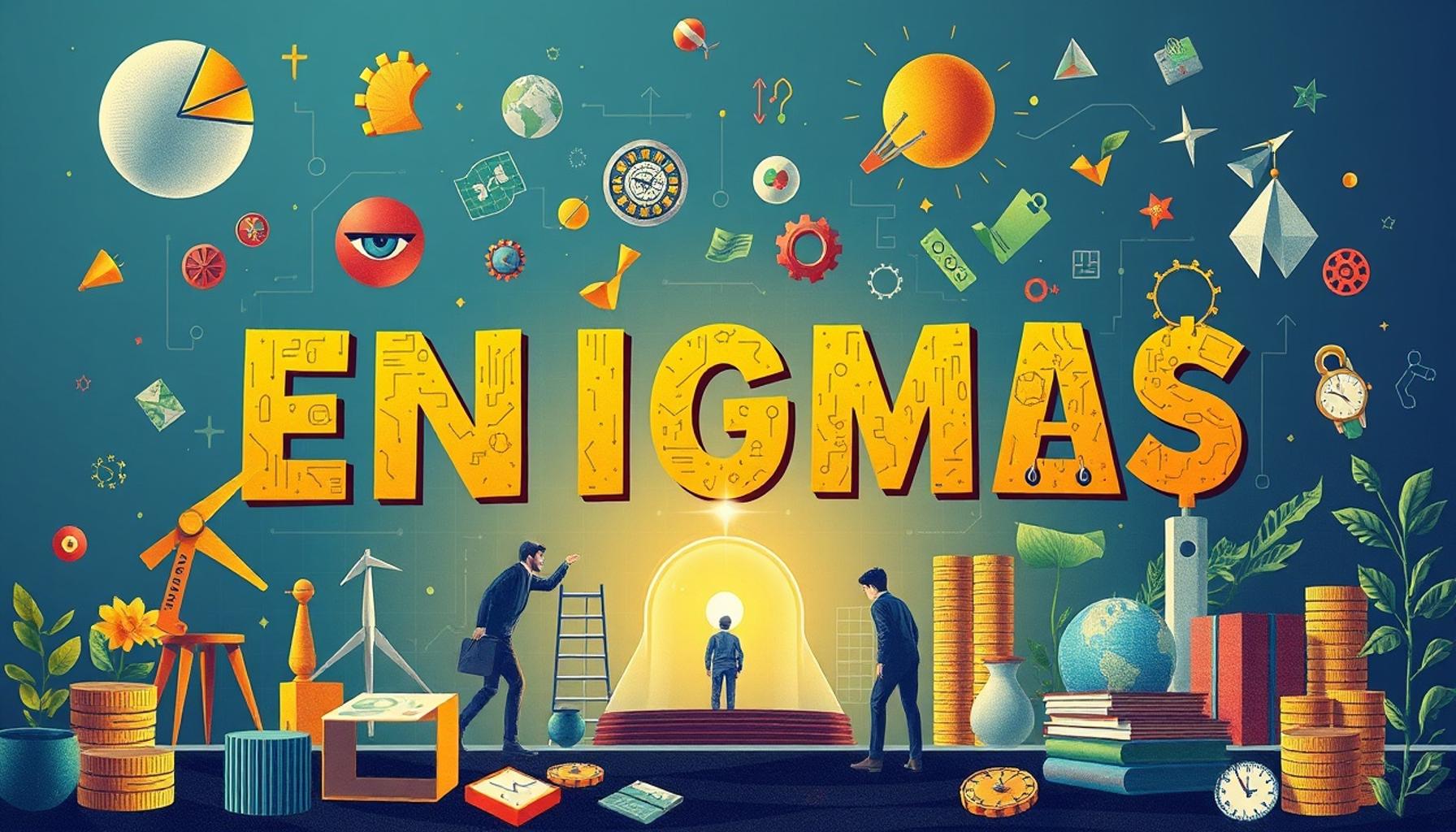
The Art of Puzzle Creation: How Developers Transform Ideas into Engaging Challenges

Puzzle games encompass a diverse array of formats, from traditional crosswords and Sudoku to modern escape rooms and mobile application challenges like “Candy Crush” or “Monument Valley.” These games captivate millions by compelling players to think critically, strategize, and solve problems. A successful puzzle game thrives on a delicate balance between innovative concept and experiential engagement, which is a testament to the developers’ ingenuity and insight into player psychology.
The Strategy Behind Engaging Puzzles
The creation of puzzles often involves multiple layers of design, ensuring that players feel both challenged and rewarded. Developers utilize a variety of techniques to enhance the gaming experience. Among these are:
- Concept Development: The heart of a successful puzzle game lies in its uniqueness. Ideas must resonate with a wide range of audiences. For example, “Portal” combines physics with clever puzzles that require players to think outside the box, ultimately inviting them into a rich narrative world.
- Difficulty Balancing: Striking the right balance between challenge and frustration is crucial. Developers employ player feedback and playtesting to refine their puzzles. Games like “The Witness” feature a gradual increase in difficulty that keeps players engaged without overwhelming them.
- User Experience: An intuitive interface is essential for enhancing player engagement. A clear and accessible design, like that seen in “Tetris,” allows players to focus on the gameplay without distractions, leading to a more fulfilling experience.
The Fusion of Art and Technology
Successful puzzle development hinges on the effective integration of artistic vision and technical execution. This synthesis is observable in several key areas:
- Storytelling: Weaving an engaging narrative can elevate a puzzle game from a simple challenge to an immersive journey. For instance, “The Legend of Zelda: Breath of the Wild” expertly intertwines puzzles within its expansive storyline, encouraging players to piece together clues while exploring the world.
- Visual Design: Eye-catching graphics that enhance the theme and mood of a puzzle game are vital. Games such as “Fez” use vibrant, pixelated aesthetics to create an enchanting atmosphere, engrossing players in a visually stimulating environment.
- Sound Effects: Audio elements play a powerful role in the gaming experience. The effective use of sound effects can heighten tension during challenging segments or provide satisfying cues upon solving a puzzle. “Baba Is You” effectively uses sound to communicate feedback, enriching the gameplay experience.
Through a careful blend of these components, developers are able to transform simple concepts into complex challenges that resonate with players worldwide. The craftsmanship involved in puzzle creation continues to evolve, revealing how developers keep players engaged and eager for more, making the genre not only a form of entertainment but also a testament to ingenuity and creativity.
Crafting the Core of the Puzzle Experience
The art of puzzle creation begins with a unique idea that serves as the foundation for an engaging gaming experience. Successful developers recognize that the initial concept must not only be original but also relevant to players’ interests and preferences. As trends evolve, effective developers stay attuned to the current desires and motivations of their audience. For instance, the rise of mobile gaming has led to innovative adaptations of classic puzzles, transforming them into bite-sized challenges that can be easily enjoyed during short breaks. Games like “Words With Friends” combine traditional wordplay with social interaction, creating a modern twist that keeps players returning for more.
Imagination Meets Structure
After establishing an innovative concept, developers must move forward with designing the structure of their puzzles. This process involves determining the rules, mechanics, and pathways that players will navigate throughout the game. The challenge lies in creating rules that are easily understood yet provide enough depth to keep players engaged over time. Effective puzzle design requires a clear understanding of cognitive load, which refers to the amount of information players can process at any given moment. Too much complexity can lead to frustration, while too little can result in boredom. A well-structured puzzle game ensures players are constantly challenged without feeling lost.
- Layering Complexity: Many successful puzzle designs incorporate layers of difficulty that gradually introduce new mechanics, building upon what players have already learned. This approach can be seen in franchise games like “Zelda,” where progressive skills and tools allow for unique puzzle solutions, ensuring a sense of accomplishment with each victory.
- Feedback Mechanisms: Players need tangible feedback to evaluate their progress and strategies. This can come in various forms, such as visual cues, narrative responses, or auditory signals. For example, the shifting landscapes in “Portal” not only indicate a player’s progress but also reward their creativity in problem-solving.
- Player Agency: Empowering players with choices enhances their connection to the game. Allowing multiple methods to solve a puzzle leads to diverse experiences, ensuring that players remain invested. Puzzle games that encourage exploration and experimentation often create memorable interactions, as players discover their own preferred tactics.
Ultimately, the foundational stages of puzzle creation set the stage for a captivating experience. Developers labor meticulously to balance challenging elements while crafting a space that fosters creativity and individual expression. As games continue to integrate complex storytelling, emotional engagement, and technological advancements, the world of puzzle creation beckons players to embark on new adventures, each filled with unique challenges waiting to be unraveled.
| Advantages | Details |
|---|---|
| Enhanced Cognitive Skills | Puzzle challenges stimulate critical thinking, boosting problem-solving abilities across various demographics. |
| Increased Engagement | By turning abstract concepts into interactive puzzles, developers keep users intrigued and eager to explore. |
| Creative Expression | Developers utilize diverse themes and artistic elements to create unique puzzles, showcasing their creativity and innovation. |
| Community Building | Interactive puzzles encourage collaboration and discussion among players, fostering a thriving community. |
The art of puzzle creation is not just about complexity; it’s about the experience and connection that puzzles can forge between developers and users. Engaging challenges evoke an emotional response, making them not just a task, but an adventure. As developers continue to harness innovative mechanisms and technology, they transform simple ideas into captivating experiences—one puzzle at a time. Exploring this burgeoning landscape offers insights into how developers influence modern entertainment and education alike. The potential for creativity and community interaction through puzzles allows us to delve deeper into the enthralling world of puzzle-making, revealing a treasure trove of knowledge and insight. By bridging the gap between ideas and interactive experiences, developers pave the way for a new era of challenges that truly engage and inspire.
Integrating Narrative and Immersion
In the realm of puzzle creation, the integration of narrative and immersive experiences can elevate the gameplay into a compelling journey. Developers today understand that players are not only seeking difficult challenges but also engaging stories that resonate emotionally. By weaving a narrative through the puzzle mechanics, developers create a rich tapestry that enhances the player’s connection to the game. For example, games like “The Witness” utilize a thought-provoking story set in a visually stunning environment. Each puzzle is intricately tied to the overarching theme, encouraging players to decipher not only the puzzle solutions but also the deeper meanings behind them.
Emotional Engagement Through Storytelling
Emotional engagement plays a crucial role in how players connect with the puzzles. By involving players in a storyline that speaks to their aspirations, fears, or hopes, developers can create a lasting impact. Implementing emotional narratives often involves the use of character development and progression that feels earned. A poignant example can be seen in “Life is Strange,” where puzzle elements are interspersed with heart-wrenching stories about friendships and life choices. Such engagement often propels players to invest their time and energy into solving the puzzles, as the stakes feel personal and significant.
- Thematic Cohesion: A well-crafted theme can unify various puzzle challenges, making each experience feel purposeful. In “The Room” series, the mysterious ambiance and gothic motifs complement the intriguing puzzles, drawing players deeper into a world that exists beyond the mechanisms of problem-solving.
- Environmental Storytelling: Developers often utilize the game environment itself to impart narrative cues. These visual or auditory elements can hint at the larger story or provide lore that enhances the context for the puzzles. “Journey,” for instance, uses beautiful landscapes and ambient sounds to narrate an aesthetic and emotional adventure while interspersing intricate puzzle-like challenges along the way.
- Player Choices and Consequences: Allowing players to make decisions that influence the storyline can lead to an enriching experience. “Zelda: Breath of the Wild” exemplifies this, as players navigate various puzzles that can alter the game’s outcomes depending on their choices, creating a more immersive and engaging experience.
As developers explore the intersection of puzzles and narratives, they continue to push the boundaries of what players can expect. By focusing on the emotional journey and thematic coherence, puzzle games can transcend mere entertainment, transforming into powerful storytelling mediums that challenge not only the intellect but also the heart. With the continuous advancement of technology, such as augmented reality (AR) and virtual reality (VR), the future of puzzle games promises to blend realism with challenges in even more innovative ways, compelling players to solve puzzles amid rich, interactive worlds.
Conclusion: Unlocking the Future of Puzzle Games
The world of puzzle creation represents an intricate dance between creativity, logic, and storytelling, where developers shape transcendent experiences that keep players engaged for hours on end. As discussed, the fusion of challenging enigmas with immersive narratives has redefined player expectations, allowing them to not only test their cognitive skills but to also connect emotionally with the story at hand. Titles like “The Witness” or “Life is Strange” showcase the profound impact that a well-structured narrative can have on puzzle design, as these games transcend mere entertainment to become journeys of introspection and growth.
Moreover, the incorporation of thematic cohesion and environmental storytelling serves to enhance immersion, making players feel as though they are part of a larger, rich tapestry that demands their attention. By enabling choices that affect not only puzzle-solving but the narrative trajectory itself, as seen in “Zelda: Breath of the Wild,” developers invite players to invest more profoundly in their gaming experiences.
As technology marches forward, the potential for augmented reality (AR) and virtual reality (VR) to enrich puzzle gaming is vast. These innovations promise to create worlds where players can navigate intricate challenges within breathtaking and interactive environments, pushing the boundaries of how puzzles are perceived. In an era where the art of puzzle creation continues to evolve, the challenge remains: to maintain that delicate balance between problem-solving and storytelling, ensuring every player finds themselves not just a solver of puzzles, but a hero of a captivating story.