The Art of Decision: How Strategy Games Enhance Critical Thinking

The Cognitive Benefits of Strategy Games
In today’s fast-paced world, the need for rapid thinking and problem-solving skills is paramount. One of the most engaging ways to develop these abilities is through strategy games. From classic board games like chess and Go to intricate video games such as StarCraft and Civilization, these pastimes challenge players to think critically and strategically, sharpening their minds in the process.
The relationship between strategy games and cognitive development is compelling. Let’s explore some of the key benefits:
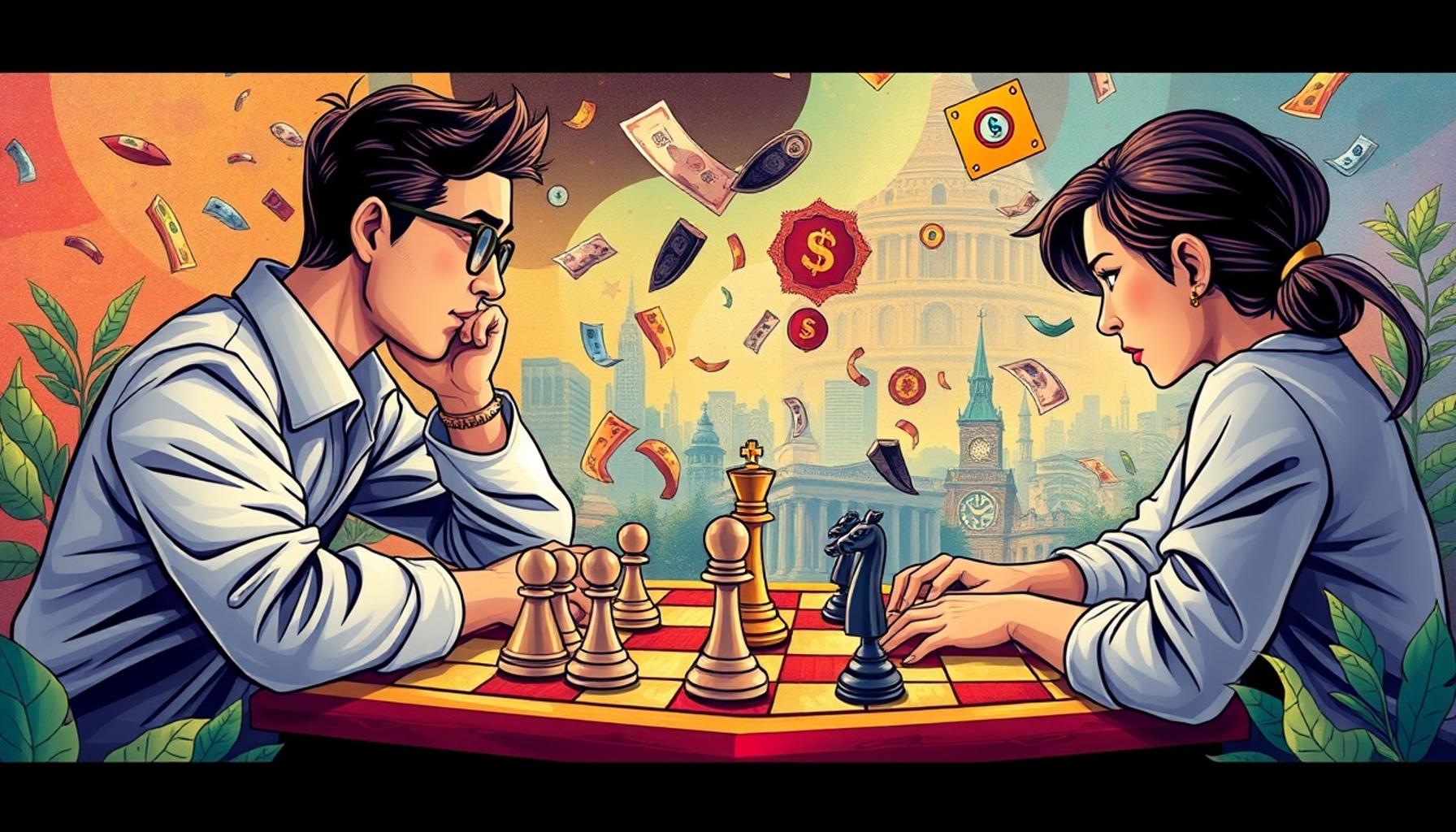
- Enhanced Problem-Solving: Strategy games often present players with complex challenges that require immediate action. For instance, in chess, players must analyze their opponent’s moves, anticipate future scenarios, and come up with effective counter-strategies. This practice fosters a habit of thinking quickly and creatively when faced with real-life problems.
- Strategic Planning: The nature of these games demands foresight and tactical preparation. Effective players learn to plan multiple steps ahead, akin to a general orchestrating a military campaign. For example, in games like Risk, players must consider not only their current positioning but also potential alliances and betrayals that could influence the outcome of their strategy.
- Risk Assessment: Engaging in strategy games inherently involves weighing options and outcomes. Players assess opportunities against risks, learning to make informed decisions. A clear example of this is in poker, where successful players gauge their opponents’ tendencies and potential bluffs while calculating the risks of their own hands.
As players immerse themselves in these intricate gameplay scenarios, they develop broader mental frameworks that enhance their decision-making abilities. Research in cognitive science supports the idea that playing strategy games not only improves mental agility but also boosts creativity. Gamers are often required to devise innovative tactics to outmaneuver their opponents, fostering a mindset open to new ideas and solutions.
Statistics further highlight the benefits; studies show that individuals who regularly engage in strategy games perform better academically and professionally. As an example, a survey from the American Psychological Association revealed that students who play strategy games showed a 15% increase in critical thinking test scores compared to non-players. This impressive statistic underscores the value of incorporating such activities into one’s routine.
In conclusion, the domain of strategy games bridges the gap between entertainment and education. By partaking in these immersive experiences, individuals not only enjoy themselves but also cultivate essential skills that enhance their everyday problem-solving abilities. So, delve deep into this world and discover how strategy games can transform your approach to critical thinking and decision-making.
DISCOVER MORE: Click here to learn about memory tasks that enhance workplace productivity</a
The Role of Strategy Games in Cognitive Development
Strategy games serve as a dynamic training ground for enhancing critical thinking skills that are essential for effective decision-making. These games, often steeped in competition and strategy, encourage players to not only engage with challenges but to analyze and interpret information in nuanced ways. By immersing oneself in various scenarios, players learn to evaluate potential outcomes critically and develop the ability to adapt their strategies based on their observations. This not only broadens their mental repertoire but also sharpens their abilities to tackle real-world decisions.
One fundamental aspect that underscores the cognitive benefits of strategy games is the concept of pattern recognition. Players often find themselves recognizing and predicting outcomes based on previous patterns, whether it’s a sequence of moves in chess or resource management strategies in games like Settlers of Catan. This heightened awareness helps players to develop a keen eye for detail, paving the way for more informed and swift decision-making. The capacity to discern patterns can significantly enhance how individuals approach unexpected challenges, whether in a business environment or in their daily lives.
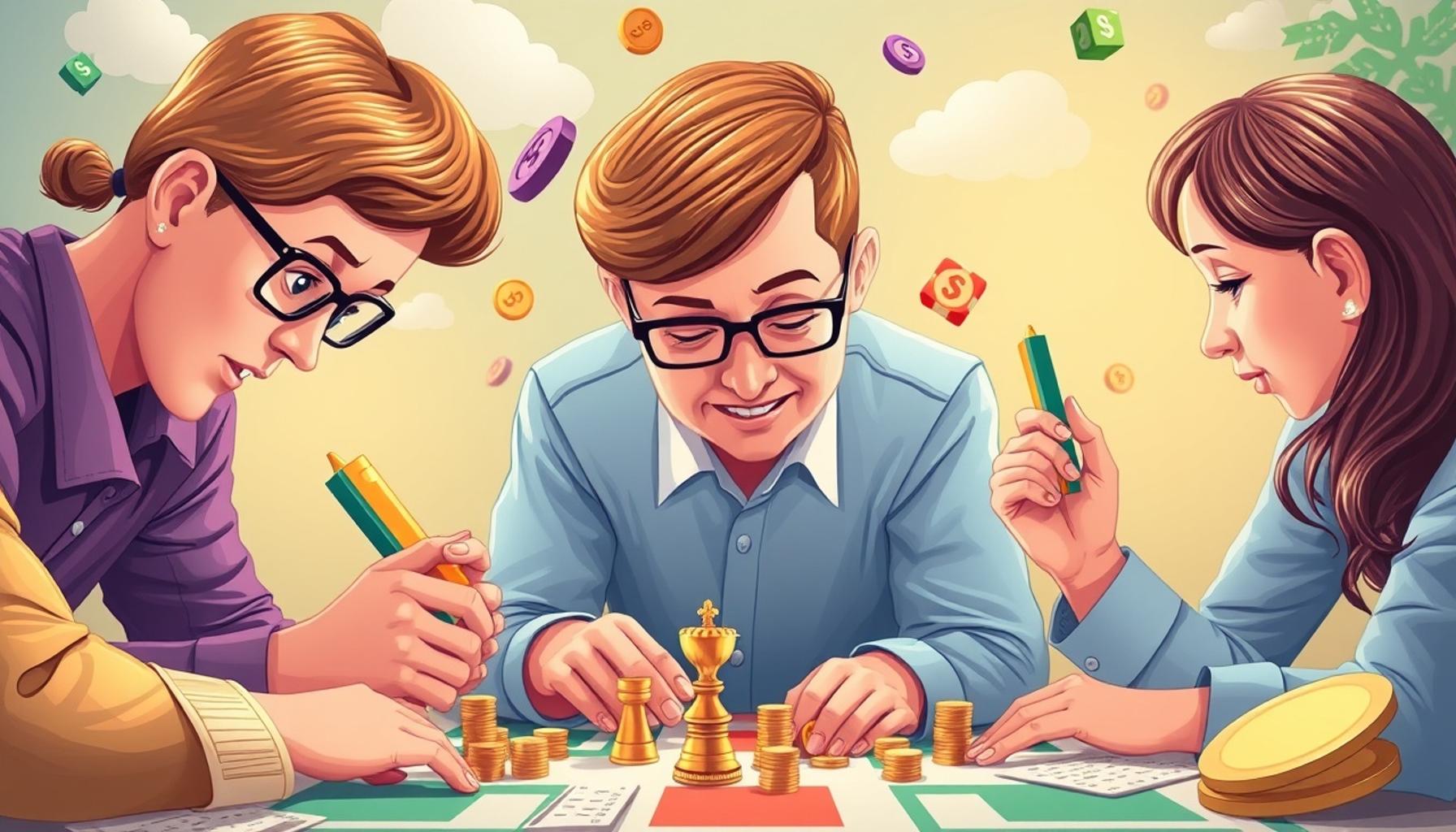
Moreover, achieving success in strategy games often depends on players’ ability to collaborate and negotiate effectively. Many strategic board games and multiplayer online games require players to form alliances, share resources, or even engage in bluffing and deception. This social interaction is crucial as it cultivates emotional intelligence alongside critical thinking. Key benefits include:
- Enhanced Communication Skills: Players must articulate their plans, negotiate terms, and persuade other players, all of which mirror essential skills in professional environments.
- Increased Flexibility: Engaging in strategy games teaches players to pivot their strategies quickly when circumstances change, a skill that is invaluable in fast-moving industries.
- Social Dynamics Understanding: Players gain insight into the motives and tactics of others, enhancing their capacity for empathy and strategic negotiation. Understanding team dynamics can lead to superior collaboration in the workplace.
Additionally, strategy games often require regular reflection and self-assessment, urging players to evaluate their decisions critically. This introspection is a key part of the learning process. Players analyze past games, identify missteps, and brainstorm different moves that could have led to success. This practice fosters a culture of continuous improvement that can translate into everyday situations, promoting resilience and a growth mindset.
As we consider the impact of strategy games on critical thinking, many education professionals advocate for their integration into academic curricula. Researchers found that students engaged with strategy games not only show an improvement in analytical skills, but they also develop a passion for learning that extends beyond the gaming world. This alignment with educational objectives brings a fresh perspective to how we view and utilize gaming as a positive tool for cognitive development.
With technology continually evolving and shaping the way we engage with games, the potential for strategy-based cognitive enhancement is only set to grow. By exploring and embracing the art of decision-making through strategy games, individuals can unlock their potential in both personal and professional arenas.
Strategy games have long been recognized for their ability to sharpen critical thinking skills. By engaging players in complex scenarios that require thoughtful decision-making, these games serve as invaluable tools for mental development. As players navigate multi-faceted challenges, they are prompted to analyze various outcomes, consider the implications of their actions, and adapt their tactics in real time.
Incorporating elements that range from resource management to tactical combat, strategy games encourage players to think several steps ahead. This practice not only enhances their immediate gameplay experience but also translates into real-world problem-solving abilities. For instance, the intricate layers of strategy found in games such as chess or civilization-based titles necessitate a high level of foresight—players must anticipate not just their moves but those of their opponents as well.
| Cognitive Benefits | Impact on Real-World Skills |
|---|---|
| Enhanced Problem Solving | Players learn to devise and implement solutions under pressure. |
| Strategic Planning | Improves long-term thinking and forecasting in uncertain conditions. |
Moreover, these games often require teamwork and communication among players, fostering social skills that are critical in both personal and professional environments. The collaborative aspect of many strategy games encourages players to express their ideas, negotiate terms, and reach consensus—a reflection of real-life scenarios where collaboration is key.
As society continues to emphasize the importance of critical thinking in education and the workplace, strategy games emerge as exceptional avenues for improving these skills effectively and enjoyably. Utilizing these interactive tools cultivates not just gamers but skilled thinkers equipped to tackle a multitude of challenges.
DISCOVER MORE: Click here to dive into problem-solving strategies
The Social and Emotional Layers of Strategic Decision-Making
Beyond the realms of cognitive skills, strategy games delve into the intricate social and emotional layers of decision-making. The experience of playing strategy games encourages not only mental fortitude but also the development of social acumen and emotional intelligence, which are vital in navigating complex interpersonal landscapes. These games often mirror the unpredictable nature of real-life interactions, where one must read between the lines and anticipate the actions of others.
Strategic games like Diplomacy or Risk place players in scenarios where forming alliances can lead to victory, yet betrayal may lie just around the corner. In these contexts, players must grapple with the duality of trust and caution. Learning to balance these conflicting emotions becomes crucial and reflects the real-life skills necessary for professionals in fields like management, sales, and negotiation. Players are essentially trained to think ahead, weighing the consequences of their decisions not just on individual gain but also on the social fabric of their gaming community.
Moreover, the pressure that comes from decision-making in competitive environments adds a distinct layer to emotional resilience. As players face losses and setbacks, they are compelled to manage their emotions and develop a thick skin. Studies have shown that engaging in high-stakes strategy games significantly contributes to the development of coping strategies in stressful situations. This adaptive resilience translates effortlessly into the workplace or any area requiring quick and effective decision-making under pressure.
The ability to process emotional responses is essential for ensuring that decisions are not solely based on logic but also incorporate a human element. The skills gained from playing these games foster empathy, as players must navigate the thoughts and feelings of those around them, predicting their next moves based on emotional cues. This greater understanding of emotional dynamics positions individuals advantageously in both personal and professional settings.
In addition to these emotional benefits, strategy games also encourage players to hone their strategic foresight. Players are often tasked with making decisions that require an understanding of long-term implications rather than focusing solely on immediate gains. Games like StarCraft require players to build resources and develop strategies that will culminate in victory much later in the game, aptly simulating scenarios where patience and foresight are paramount virtues. The practice of projecting future outcomes can significantly ground individuals in reality, teaching them that the rush to make quick decisions may not always yield the best results.
Furthermore, the incorporation of technology in modern strategy games has led to the rise of online communities where individuals can share strategies, debate tactics, and learn from each other’s successes and failures. This collaborative element enhances the critical thinking process as it fosters an environment of collective problem-solving. Players are encouraged to articulate their thought processes and rationales, thereby revealing the multifaceted nature of strategic decision-making and turning individual gaming experiences into collective insights.
The interplay of emotional intelligence, strategic foresight, and social interaction in strategy games ultimately equips players with an arsenal of skills that are correlative to successful decision-making. These skills are essential for success in a progressively collaborative work environment, where teamwork and interpersonal relationships play a pivotal role in navigating today’s complexities. It is within this rich tapestry of experiences that the true art of decision-making through strategy games is revealed.
DIVE DEEPER: Click here to discover the impact of strategy games on problem-solving skills
Concluding Thoughts on Strategic Mastery and Critical Thinking
In summary, the realm of strategy games offers more than just entertainment; it serves as a powerful tool for enhancing critical thinking and decision-making abilities. Through engaging in these dynamic environments, players not only sharpen their cognitive skills but also cultivate vital social and emotional intelligence. The ability to navigate complex interactions, anticipate opponents’ moves, and manage one’s own emotional responses translates into essential real-life skills applicable in both personal and professional contexts.
As discussed, games like Risk and StarCraft emphasize the importance of strategic foresight, teaching players the value of patience and long-term planning. Furthermore, modern technology fosters collaborative online communities where players can share insights, enriching their understanding through collective problem-solving. This collaboration echoes the interconnected nature of today’s workplace, where teamwork is paramount and the ability to make informed, strategic decisions is crucial.
Ultimately, the art of decision-making cultivated through strategy games is a journey of continuous growth and adaptation. Players emerge equipped with a toolkit of skills that enhance their resilience and empathy—qualities that are increasingly necessary in our fast-paced, multifaceted world. As we embrace these enriching gaming experiences, it is essential to recognize their potential not just as a pastime, but as a profound medium for personal and professional development. By delving into the fascinating world of strategy games, individuals can uncover new dimensions of critical thinking that will serve them well in every aspect of life.