
Positive Affirmations and Neuroscience: How to Shape Your Brain for Success
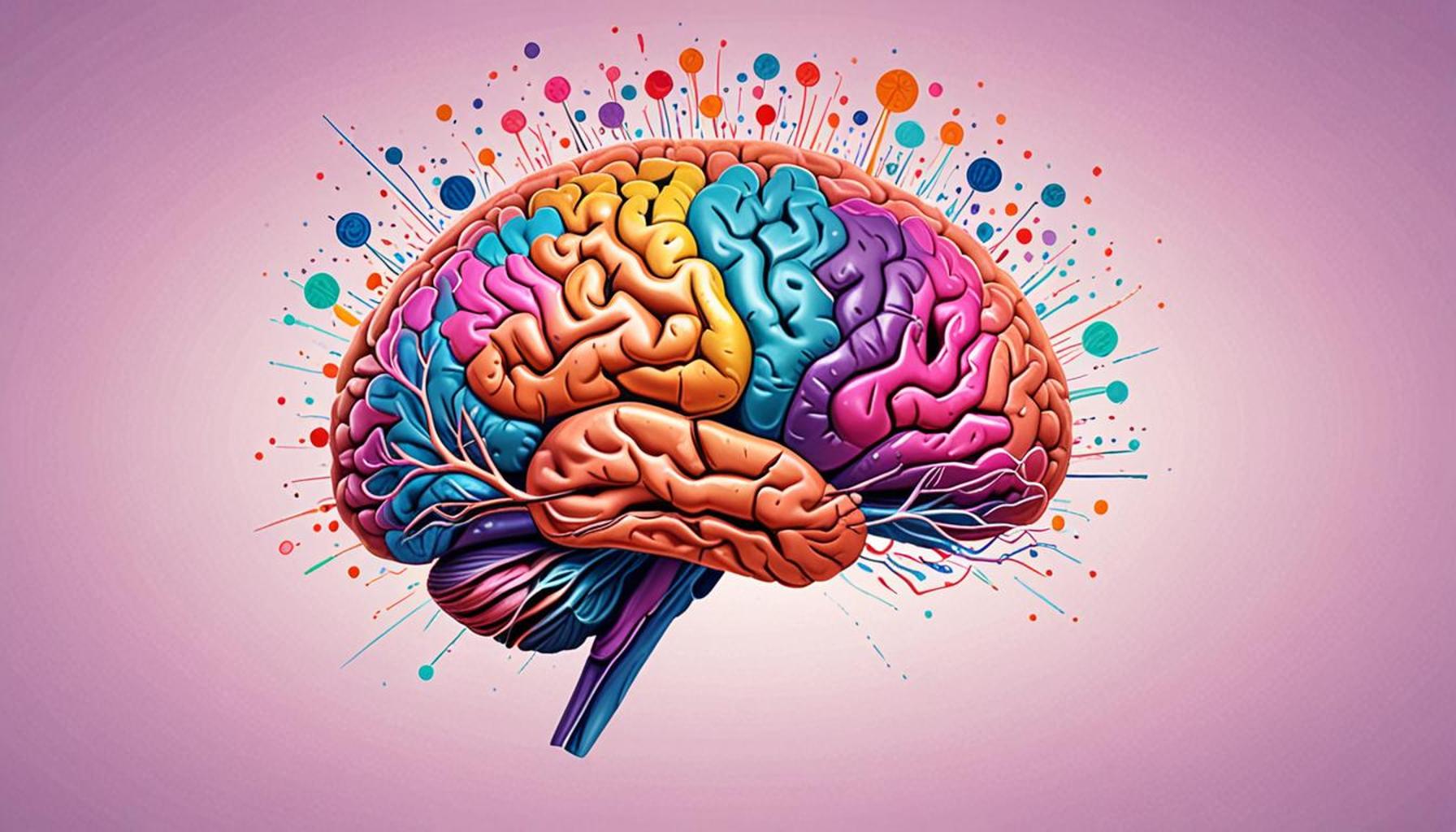
Understanding the Impact of Positive Affirmations on Your Brain
In recent years, the intersection of positive affirmations and neuroscience has gained significant attention. This innovative blend promises to influence your brain’s structure and function, potentially reshaping your pathway to success. Understanding this connection can open doors to personal and professional development.
The Power of Positive Affirmations
Positive affirmations are simple yet powerful statements designed to challenge and counteract negative beliefs we may hold about ourselves. These could include phrases like “I am capable,” “I am worthy of love and success,” or “I can achieve my goals.” Through consistent practice, affirmations aim to promote a more optimistic mindset and enable individuals to confront tasks with confidence. For instance, many athletes use affirmations to visualize success before competitions, underscoring how this practice can influence performance outcomes positively.
The Neuroscientific Foundation
Research indicates that engaging with positive affirmations activates brain regions associated with reward and emotional regulation. Here’s how they impact your brain:
- Neuroplasticity: The brain’s ability to adapt and reorganize itself by forming new neural connections is crucial. Positive affirmations facilitate this, reminding the brain that change is possible and that new patterns of thinking can replace old, unhelpful ones.
- Cortisol Reduction: Affirmations can lower stress levels by influencing cortisol production. High cortisol levels are linked to anxiety and negative thinking, but integrating affirmations into a daily routine may help mitigate these effects.
- Boosted Self-Esteem: Regular use of affirmations can enhance self-image and confidence. For example, an individual who frequently tells themselves “I am enough” may find themselves experiencing improved confidence in social situations, ultimately enriching their personal and professional relationships.
Transformative Practices for Daily Life
As we explore the synergy between positive affirmations and neuroscience, a variety of practical strategies can help integrate these concepts into your daily routine. One effective method is to set aside time each morning to recite affirmations aloud, creating a powerful ritual that primes your mind for the day ahead. Journaling these affirmations can also reinforce the messages, allowing for deeper internalization.
The potential for transformation is within reach; the challenge lies in consistency and genuine belief in the affirmations themselves. As champions of positive thinking often remind us, shaping our thoughts is the key to reshaping our lives. Are you ready to embrace this journey and reshape your future?

DISCOVER MORE: Click here to find out how positive affirmations can transform your mindset</
The Neuroscientific Mechanisms Behind Affirmations
To fully appreciate the role of positive affirmations in shaping our brain and fostering success, it is essential to delve into the neuroscience behind them. The human brain is not a static organ; rather, it is a dynamic structure capable of growth and change. This phenomenon known as neuroplasticity, underlies the remarkable adaptability of our brains in response to new experiences and learning.
Understanding Neuroplasticity
Neuroplasticity signifies the brain’s extraordinary ability to reorganize itself by forming new neural connections throughout life. When you engage in positive affirmations, you actively participate in rewiring your brain. By repeating positive statements about yourself, you reinforce specific neural pathways associated with self-worth, achievement, and optimism. Over time, these pathways strengthen, allowing achievements in other areas of life to flourish. For instance, neuroimaging studies have shown that when individuals practice affirmations, the regions of the brain associated with the reward system are activated, which can enhance feelings of motivation and pleasure.
The Role of Stress and Emotion
Stress management is another critical factor in the neuroscience of positive affirmations. Chronic stress produces elevated levels of cortisol, a hormone that can negatively affect your cognitive function and emotional well-being. Engaging in positive affirmations can counteract some of these effects by promoting a reduction in cortisol levels. When cortisol is kept in check, cognitive functions such as memory, focus, and creativity improve, making you more receptive to new experiences and challenges.
Building Self-Belief Through Repetition
One profound aspect of positive affirmations is their effect on self-esteem and self-concept. When practiced regularly, affirmations can help reshape personal narratives that might undermine growth. This practice is particularly helpful in settings where self-doubt is prevalent, such as in corporate environments or academic fields. For example, students experiencing impostor syndrome can leverage affirmations like “I am capable of mastering this subject” to build resilience and confidence.
- Daily Affirmation Integration: Integrate positive affirmations into your morning routine to set a hopeful tone for the day.
- Mindfulness and Focus: Pair affirmations with mindfulness techniques to enhance concentration and emotional resilience.
- Affirmation Journals: Keep a journal documenting your favorite affirmations while noting your growth and changes in mindset over time.
Understanding how positive affirmations impact your brain can transform the way you approach challenges and setbacks. As neuroscience continues to unveil the intricacies of how we think, feel, and behave, embracing the power of affirmations offers a practical pathway to cultivating a positive mindset and achieving your goals. Ready to harness the power of your brain to fuel success? The journey begins with the words you choose to speak to yourself.
| Advantages of Positive Affirmations | Impact on Brain Function |
|---|---|
| Boosts Self-Esteem | Enhances neuroplasticity, allowing the brain to form new connections. |
| Reduces Stress | Promotes the release of dopamine, contributing to improved mood and motivation. |
Understanding the synergy between positive affirmations and neuroscience unveils a powerful narrative. Positive affirmations serve as cognitive cues that signal the brain to change its encoding processes. When consistently practiced, these affirmations can effectively decrease negativity and stimulate areas in the brain associated with optimism and resilience. Neuroscience reveals that the practice of repeating positive statements engages the prefrontal cortex, which is integral for decision-making and emotional regulation.Moreover, studies indicate that when individuals recite affirmations aligned with their core values, it can lead to a significant enhancement of cognitive function, resulting in greater achievement and overall well-being. This neurological transformation underscores a profound truth: our thoughts and beliefs can literally rewire our brains. The path to success can start with a simple yet profound assertion of positivity, culminating in actionable confidence and enhanced life outcomes. As the science continues to explore these intersections, the potential for shaping a successful mindset through positive affirmations is an exciting frontier deserving of deeper exploration.
DISCOVER MORE: Click here to learn how positive affirmations can support your journey
Implementation Strategies for Positive Affirmations
As we navigate the powerful link between positive affirmations and neuroscience, it becomes increasingly evident that how we implement these techniques plays a crucial role in their effectiveness. Different strategies can enhance the brain’s capacity to internalize affirmations, making them a cornerstone of personal development and success.
The Science of Visualization
One particularly impactful technique is the integration of visualization with affirmations. Neuroscientific studies reveal that our brains often cannot distinguish between real and imagined experiences, a phenomenon known as the perceptual illusion. Thus, when you visualize scenarios where you successfully embody the traits expressed in your affirmations, you reinforce those neural pathways even further. For example, aspiring athletes may visualize themselves winning competitions while reciting affirmations such as “I am strong and capable,” which can significantly enhance physical performance through this mental rehearsal.
Social Reinforcement
The power of community cannot be overstated when it comes to positive affirmations. Engaging in group sessions or workshops focused on affirmations can amplify their effects. Social reinforcement taps into our brain’s innate desire for connection and support, leading to a cascade of emotional benefits. Participating in group affirmations can create a safe space for sharing vulnerabilities and aspirations, fostering a collective sense of self-worth and community. Research shows that collective affirmations stimulate the brain’s oxytocin production, often referred to as the “bonding hormone,” promoting trust and emotional safety.
The Specificity of Language
The language used in affirmations also matters significantly. Crafting specific affirmations that resonate with your personal goals can enhance their effectiveness. For example, instead of a generic affirmation like “I am successful,” consider a more tailored statement like “I successfully complete my projects on time and with excellence.” Specificity sharpens focus and creates a clearer mental image, making it easier for the brain to internalize the affirmation. This precision aids in mobilizing the brain’s executive function, the area responsible for decision-making and task management, enhancing your ability to act on your ambitions.
Measuring Progress Through Reflection
Incorporating subjective measures like journaling can provide tangible benefits. Keeping track of the affirmations practiced alongside recorded reflections on personal growth can demonstrate the impact of these practices. Studies suggest that reflective practices activate brain regions associated with higher-order thinking and self-awareness, promoting a growth mindset. By reviewing your progress, you reinforce the neural pathways formed through affirmations and visualize your journey toward success, making it easier to adapt and refine your approach moving forward.
- Empower Your Mind: Combine visualization with affirmations for a richer cognitive experience.
- Connect with Others: Join affirmation groups or workshops to leverage social reinforcement.
- Language Matters: Use specific and personal affirmations to clarify your goals.
- Reflect and Adapt: Maintain a journal to track your progress and refine your affirmations.
By exploring these implementation strategies, you can unlock the full potential of positive affirmations in shaping your brain for success. As you harness the intersection of neuroscience and self-affirmation, you empower not just your mind but your entire approach to life’s challenges and opportunities. The way forward is paved with intention and clarity in the words we choose to say to ourselves.
DISCOVER MORE: Click here to enhance your emotional resilience
Conclusion: The Transformative Power of Positive Affirmations
As we delve into the intricate relationship between positive affirmations and neuroscience, it is clear that our minds possess an incredible ability to adapt and grow. By consciously choosing to embrace affirmations, we not only challenge negative thought patterns but also cultivate a mindset primed for success. The science supports this transformation; our brains thrive on positive reinforcement and the vivid imagery provided by techniques such as visualization, while community engagement amplifies this effect through social bonding and support.
Furthermore, adopting specific and personal language enables us to clarify our goals, allowing our brains to mobilize operations that lead to tangible achievements. The act of reflection through journaling plays a pivotal role as well, cementing our progress and encouraging a deeper understanding of our journeys. These elements intertwine, forming a comprehensive framework where affirmations can flourish, driving us towards personal and professional success.
In essence, the journey of self-affirmation is not merely about repeating phrases; it is a profound practice that reshapes our neural pathways, fortifying our chances of success in an increasingly complex world. Embracing the insights provided by neuroscience, we can harness the power of positive affirmations to foster resilience, focus, and ultimately, the pursuit of our most meaningful aspirations. As you embark on this transformative path, remember that your words—when infused with intention—hold the potential to reshape not just your mindset, but your entire reality.