Mind Games and Creativity: The Impact of Puzzles on Problem Solving
The Power of Mind Games on Cognitive Skills
In today’s fast-paced world, where innovation is the key to success, many individuals are exploring various ways to enhance their cognitive abilities. A popular method emerging in this journey involves engaging in mind games, which are not only entertaining but also instrumental in enhancing problem-solving skills. By tapping into the brain’s creative potential, these games serve as powerful tools for cognitive development.
Puzzles come in numerous forms, each designed to challenge specific cognitive functions. For instance, consider the following popular varieties:
- Sudoku: This number-based puzzle requires players to think logically and strategically, enhancing not just their logical reasoning but also improving their number manipulation skills. Many enthusiasts find that practicing Sudoku regularly deepens their understanding of patterns and sequences.
- Crosswords: These word puzzles encourage players to expand their vocabulary and improve general knowledge. As individuals encounter diverse clues, they engage in lateral thinking, which pushes them to make connections between seemingly unrelated ideas.
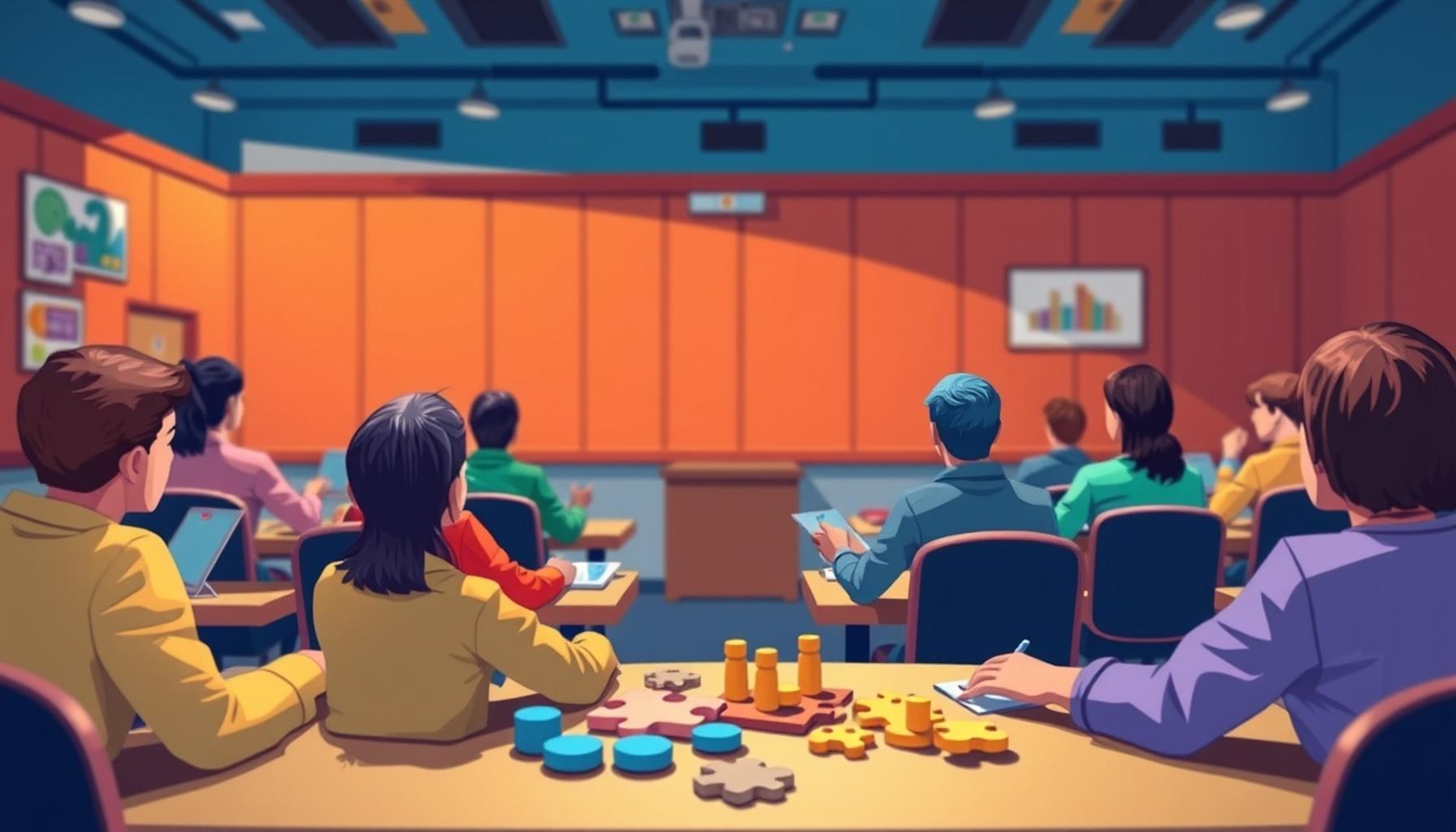
- Jigsaw puzzles: By piecing together fragments, participants develop spatial awareness and improve their attention to detail, crucial skills in fields like architecture and engineering. The satisfaction of seeing a complete picture emerge from chaos can also be a tremendous boost for one’s self-esteem and patience.
- Logic puzzles: These puzzles challenge individuals to think critically and analyze situations from different angles. They help enhance reasoning abilities by presenting problems that require a systematic approach to resolve.
Research demonstrates that consistent engagement with such puzzles can lead to substantial improvements in several cognitive areas:
- Cognitive flexibility: Being able to adapt to new situations and solve unforeseen challenges is essential, especially in a rapidly changing work environment. Mind games encourage players to think on their feet.
- Memory: Regular puzzle-solving strengthens short- and long-term recall. For example, studies have shown that seniors who engage in puzzles exhibit better memory retention compared to those who refrain from such activities.
- Attention: The ability to maintain focus and resist distractions is often cultivated through puzzles. As players immerse themselves in the task at hand, they inadvertently train their brains to concentrate better.
Exploring the connection between mind games and creativity reveals how these simple activities can empower individuals to enhance their problem-solving abilities in everyday scenarios. As you engage with various puzzles, you may discover uncharted territories of your mind that spark new ideas or solutions.
Join us on this insightful journey to unlock the untapped potential of puzzles, and recognize how they can dramatically influence your cognitive skills and creative thinking. The world of mind games is vast and filled with opportunities for growth; delve in and witness the transformation that awaits.
DISCOVER MORE: Click here to uncover the challenges in treasure hunting
Unlocking Creativity Through Puzzle Solving
The world of puzzles and mind games offers a unique arena where creativity and problem-solving skills can be honed and enhanced. Engaging with these challenges is like flexing a muscle; the more you practice, the stronger your cognitive capabilities become. This relationship between puzzles and creative thinking is not merely anecdotal; numerous studies indicate that incorporating puzzles into daily routines can lead to significant improvements in how individuals approach challenges in both personal and professional contexts.
One particularly notable aspect of engaging with puzzles is their capacity to cultivate divergent thinking. Unlike traditional problem-solving methods that often focus on finding a single correct answer, divergent thinking promotes the exploration of multiple possibilities and solutions. This flexible approach encourages individuals to brainstorm various paths and come up with innovative ideas when faced with obstacles. Whether it’s designing a marketing campaign or troubleshooting technical issues, the ability to think outside the box, fueled through mind games, can be a game-changer.
Moreover, puzzles also foster a sense of perseverance. As individuals tackle increasingly complex challenges, they learn to navigate frustration and develop resilience. When players encounter a particularly tough puzzle, they may need to adopt different strategies, and this process of trial and error directly mirrors real-life problem-solving scenarios. Over time, this experience can translate into improved capabilities in dealing with everyday problems.
Consider the following examples of how puzzles can specifically enhance creative thinking:
- Problem Recognition: Through engaging with puzzles, players become adept at recognizing patterns and anomalies. This skill allows individuals to identify issues within their work or personal lives, offering insight into potential solutions.
- Strategic Planning: Many puzzles require a level of foresight and strategic thinking. For instance, in a game of chess—a classic strategic puzzle—players must anticipate their opponent’s moves and plan multiple steps ahead. This skill can be crucial in planning and executing projects effectively at work.
- Collaboration and Communication: Group puzzles, such as escape rooms or team-based challenges, necessitate communication and collaboration. These experiences can enhance social creativity, as teammates brainstorm together to solve problems that require collective ingenuity.
As individuals delve into the intricate world of puzzles, they may find themselves not only improving their logical and analytical skills but also unlocking new levels of creativity. The synergy between mind games and creative problem-solving enriches the mind and ignites a passion for collaboration and innovation.
In essence, exploring the relationship between puzzles and creativity reveals a captivating journey of discovery. Each puzzle solved contributes to a richer cognitive experience, providing an opportunity to innovate and adapt in various spheres of life. This adventure into the realm of mind games serves not only as a tool for entertainment but also as a gateway to enhanced creativity.
Mind Games and Creativity: The Impact of Puzzles on Problem Solving
Puzzles and mind games have long been recognized for their entertainment value, but their profound impact on creativity and problem-solving abilities is often overlooked. Engaging in puzzles stimulates cognitive functions and enhances analytical skills, fostering an environment where innovative ideas can flourish. As you immerse yourself in solving intricate problems, your brain develops new neural pathways that contribute to enhanced creativity and unique approaches to challenges.Studies have shown that regularly engaging with puzzles can improve memory, increase concentration, and develop critical thinking skills. For instance, high-level puzzles, such as crosswords or logic games, prompt users to make connections between seemingly unrelated concepts, thus enhancing their ability to think outside the box. This increase in cognitive flexibility is essential for effective problem-solving in both academic and professional settings.Moreover, problem-solving in puzzles often leads to a sense of accomplishment when completed, boosting confidence and encouraging individuals to tackle more complex challenges. This cycle of overcoming obstacles not only sharpens intellect but also instills perseverance and resilience. As individuals face and conquer difficult puzzles, they cultivate skills that are directly transferable to real-world situations, making them better equipped for challenges in life and work.Understanding how puzzles enhance creativity opens up new avenues for educational strategies and workplace training. Embracing mind games may indeed be the key to unlocking potential within individuals by refining their problem-solving prowess and allowing creative thinking to thrive.
| Category 1 | Category 2 |
|---|---|
| Cognitive Development | Puzzles enhance analytical skills, improving the ability to solve complex problems. |
| Creative Thinking | Engaging with puzzles fosters innovative ideas and new approaches to challenges. |
The potential of puzzles to enhance creativity and problem-solving is vast, urging teachers and leaders to incorporate these mind games in skill-building activities. With the proper mindset, the art of puzzling transforms from simple entertainment into a powerful tool for personal and professional development, leading towards a future where problem-solving becomes second nature.
DISCOVER MORE: Click here to dive deeper
Transforming Thinking Patterns Through Challenges
The profound impact of puzzles extends beyond simple entertainment; they serve as mental training grounds that reshape our cognitive frameworks. As individuals engage with a variety of puzzles—be it crosswords, Sudoku, or logic problems—they inadvertently incrementally rewire their brains. This process, known as neuroplasticity, allows for enhanced cognitive flexibility, enabling individuals to adapt their thought processes to different scenarios more effectively. By exercising the brain in such dynamic ways, individuals often discover that their creative potential becomes significantly enhanced.
Additionally, studies have shown that regularly solving puzzles can lead to a boost in working memory. Working memory is crucial for keeping information accessible while juggling multiple tasks or ideas. For instance, a study conducted by researchers at the University of Michigan found that participants who frequently engaged with puzzles showed improved cognitive task performance, particularly in situations demanding heavy loads on working memory. This improvement underscores the importance of mental exercise in fostering both creativity and innovative problem-solving.
Moreover, engaging with puzzles fosters a sense of play—an element often overlooked in traditional learning environments. When individuals approach puzzles with a playful mindset, they are more likely to explore new ideas and take creative risks. This playful approach diminishes fear of failure, allowing for more radical and innovative thinking, which is pivotal for breakthroughs in any field. According to research published in the journal Creativity Research Journal, the gamified aspects of puzzles can ignite intrinsic motivation, leading individuals to persist longer and invest more effort into solving complex problems.
- Learning from Mistakes: Puzzles often require trial and error, providing a safe space for individuals to learn from their mistakes. This iterative process is essential in creative problem-solving as it encourages players to reassess strategies, identify flaws in their reasoning, and adjust accordingly, mirroring real-world problem-solving situations.
- Motivation and Goal Setting: The incremental nature of puzzles, where each piece solved brings one closer to completion, promotes goal-setting behavior. This gradual achievement fosters a sense of accomplishment and drives individuals to tackle larger, more complicated challenges, both in puzzles and in creative endeavors.
- Real-World Applications: Many successful innovators and entrepreneurs, such as Steve Jobs and Elon Musk, have credited their cognitive agility and creativity to their early engagement with puzzles, riddles, and strategic games. These characters exemplify how puzzle-solving skills can translate into groundbreaking innovations and solutions across various industries.
The cross-pollination of skills developed through puzzle engagement reinforces the notion that creativity isn’t merely an innate trait but a well-craftable ability. In environments where complex problems abound, those who have engaged regularly with puzzles are often better equipped to think creatively, collaborate effectively, and develop innovative solutions that stand out and resonate with broader audiences.
As Americans continue to seek diverse avenues for personal development and wellbeing, integrating puzzles into daily routines could serve as a transformative strategy. From fostering collaboration at work to enhancing individual problem-solving capacities, the potential benefits are far-reaching. In the quest for creative excellence, mind games remain an invaluable resource, challenging individuals to think differently and to unlock their fullest creative potential.
DIVE DEEPER: Click here to uncover more insights
Unleashing Potential Through Puzzles
In conclusion, it is evident that the relationship between mind games and creativity is not only intriguing but also impactful on our ability to solve problems. Engaging with puzzles stimulates our brains and fosters an environment where neuroplasticity flourishes, allowing for enhanced creativity and refined problem-solving skills. The benefits extend beyond mere recreational enjoyment; they effectively fortify crucial cognitive skills such as working memory and critical thinking.
The iterative learning process inherent in puzzle-solving is especially valuable in today’s fast-paced world. By embracing the playful aspect of these challenges, individuals can step into a mindset that encourages exploration and minimizes the fear of failure, a key element in nurturing innovation. As evidenced by the success stories of notable figures like Steve Jobs and Elon Musk, the strategic application of puzzle-solving in their formative years catalyzed their creative endeavors and breakthroughs in their respective fields.
As Americans explore avenues for personal development, integrating more puzzles into daily routines can serve as a dynamic strategy for enhancing cognitive abilities. By prioritizing puzzle-solving as a mental exercise, individuals can transform their approach to challenges, embrace creativity, and emerge as capable problem solvers in both their personal and professional lives. Indeed, the world of puzzles is a veritable treasure trove just waiting to be unlocked, equipping us with the tools necessary for both innovation and fulfillment.