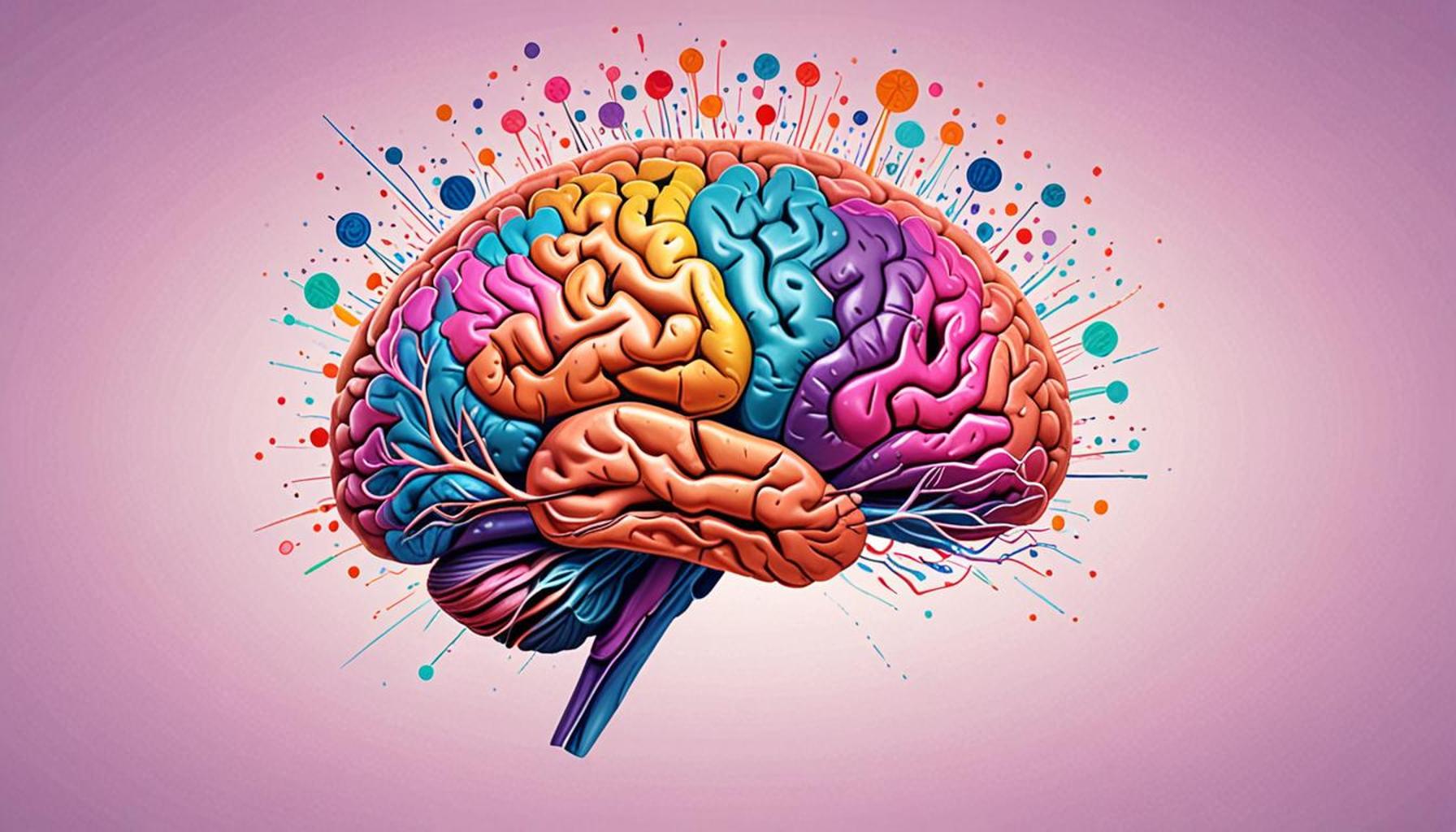
Creating a Continuous Learning Mindset with Positive Affirmations

The Importance of a Continuous Learning Mindset
In an era defined by rapid technological advancements and shifting job landscapes, fostering a continuous learning mindset has become not just beneficial but essential. This mindset encourages individuals to view learning as an ongoing process rather than a finite goal. By embracing this perspective, both personal and professional growth can be significantly enhanced. One effective tool to empower this mindset is the practice of positive affirmations.
The Role of Positive Affirmations
At their core, positive affirmations are simple phrases that reinforce the belief in one’s abilities and potential. These affirmations are more than mere words; they serve as a driving force for change, nurturing attitudes that promote growth and resilience. Let’s explore how positive affirmations can empower individuals:
- Empowerment: Positive affirmations can effectively combat self-doubt. For instance, someone doubting their skills in public speaking could use the affirmation, “I am capable and confident when I speak.” This can lead to increased confidence and engagement in such situations.
- Consistency: Regularly practicing affirmations cultivates a habit of optimism and resilience. Just like physical exercise, the more one practices affirmations, the more ingrained the belief becomes. Imagine affirming, “I embrace challenges as opportunities to grow” on a daily basis; over time, this mindset can transform one’s approach to problems.
- Focus: Affirmations help individuals concentrate on what they can achieve rather than what holds them back. For example, when someone states, “I am always learning,” their focus shifts to finding new skills, resources, or experiences rather than dwelling on past failures.
The Research Behind Positive Mindsets
Studies reveal that cultivating a positive mindset not only enhances mental well-being but also significantly boosts learning capabilities. Research shows that individuals who practice positive affirmations display improved stress management and increased resilience when facing setbacks. By regularly incorporating tailored affirmations, such as “I thrive in my learning environment,” people can unlock greater opportunities for exploration, whether in their careers or personal lives.
Transforming Your Learning Journey
Understanding the transformative potential of words can spark a revolutionary change in how you approach learning. Simple affirmations can pave the way for curiosity and inspire a commitment to lifelong learning, a vital asset in today’s fast-evolving job market. As you navigate your journey, consider implementing these affirmations into your daily routine. By affirming your commitment to continuous growth, you not only reshape your mindset but also embark on a fulfilling path towards success.
As you reflect on the powerful impact of positive affirmations in your learning journey, remember that fostering a continuous learning mindset is an ongoing process requiring dedication and intention. Embrace the journey of self-discovery and improvement, and watch as new doors open towards your future.

DISCOVER MORE: Click here to enhance your emotional resilience
Harnessing the Power of Words
In today’s competitive world, the ability to learn and adapt quickly is invaluable. A continuous learning mindset not only allows individuals to navigate through challenges but also equips them with the tools necessary for personal and professional evolution. By intentionally incorporating positive affirmations into one’s routine, individuals can effectively cultivate this mindset, transforming their approach to learning. Here are several vital steps to harnessing the power of words in fostering a culture of lifelong learning:
- Identify Limiting Beliefs: The first step towards embracing a continuous learning mindset is recognizing the negative beliefs that hinder growth. For example, one might think, “I am too old to learn new technology.” By acknowledging these limiting beliefs, you can replace them with empowering affirmations such as, “I am adaptable and open to new skills at any age.”
- Create Customized Affirmations: Tailoring affirmations to suit your individual goals and challenges can significantly increase their impact. Instead of generic phrases, write affirmations that resonate with your personal learning objectives, such as, “I approach learning with enthusiasm and curiosity,” or “I embrace feedback as an opportunity for improvement.” This personalized approach can turn affirmations into powerful motivational tools.
- Integrate Affirmations into Daily Life: Consistency is key. Regularly reciting affirmations during daily routines—such as in the morning while brushing your teeth or in the evening before bed—can contribute to a more optimistic perspective. For example, starting your day with, “Each day is a chance to learn something new,” can frame your mindset positively from the very beginning.
The Neuroscience Behind Affirmations
Research in psychology and neuroscience has uncovered fascinating insights into the brain’s adaptability, known as neuroplasticity. Studies indicate that engaging in positive affirmations can actually reshape neural pathways, reinforcing the brain’s capacity for growth and learning. One particularly notable study published in the journal Social Cognitive and Affective Neuroscience found that self-affirmation activities activate areas of the brain associated with reward processing and emotional regulation. This means that when individuals reinforce their self-worth through positive affirmations, they can improve their ability to absorb new information and tackle challenges head-on.
This connection is crucial; understanding how positive affirmations influence the brain allows individuals to not just recite words but to genuinely believe in their potential for growth and learning. In a landscape where adaptability is paramount, fostering a mindset where one believes in their ability to learn can set the foundation for success.
As we delve deeper into creating a continuous learning mindset, it’s important to remember that this is a journey. Each step, bolstered by affirmations that reinforce your capabilities, brings you closer to embracing a future where learning is woven into the very fabric of your daily life and career path.
Exploring the Benefits of a Continuous Learning Mindset
Adopting a continuous learning mindset not only enhances personal growth but also fuels professional development. Incorporating positive affirmations into this mindset plays a crucial role in reinforcing belief systems that support lifelong learning.
| Category | Advantages |
|---|---|
| Emotional Resilience | Positive affirmations bolster emotional strength, aiding individuals in overcoming challenges. |
| Increased Motivation | Affirmations amplify enthusiasm towards learning, fostering a supportive environment for self-improvement. |
Consider incorporating daily affirmations into your routine, which could further enhance focus and clarity in lifelong learning. Take time to reflect on how celebrating small victories through affirmations impacts your overall learning journey.
As we delve deeper into the advantages of merging positive affirmations with lifelong learning, observe how they create a supportive internal dialogue that encourages exploration and adaptability.
This dynamic approach not only enhances self-awareness but also cultivates a resilient mindset that thrives in change. Understanding the interplay between affirmation and learning can open doors to greater potential and success.
DISCOVER MORE: Click here to learn how gratitude can enhance your affirmations
Building Resilience with Positive Affirmations
In the pursuit of a continuous learning mindset, resilience is a critical quality that enables individuals to withstand setbacks and challenges. Positive affirmations serve as a nurturing backbone for developing this resilience, helping to redefine how we perceive obstacles in our learning journey. By incorporating specific strategies, individuals can bolster their ability to persist and thrive.
- Embrace Failures as Learning Opportunities: One of the greatest obstacles to learning is the fear of failure. Rather than shying away from mistakes, embracing the notion that “Every setback is a setup for a comeback” can transform failures into powerful learning experiences. By affirming this mindset, learners can cultivate the courage to take risks and venture into unfamiliar territories, knowing that every misstep comes with its own lessons.
- Visualize Success: Visualization techniques, when paired with positive affirmations, can be extraordinarily powerful. Imagine yourself succeeding in your learning objectives while repeating affirmations like, “I visualize my growth and achievement in all aspects of learning.” This combination reinforces a sense of direction and purpose, helping to condition the mind for success even before it materializes.
- Establish a Support Network: Building a continuous learning mindset is not just an individual endeavor; it thrives within a supportive community. Surrounding yourself with positive influences and engaging in discussions that prioritize learning fosters an environment ripe for growth. Regularly affirming, “I am surrounded by encouraging individuals who foster my growth,” can strengthen this communal bond, encouraging collaboration and shared learning experiences.
The Role of Affirmations in Overcoming Imposter Syndrome
Imposter syndrome—the feeling of self-doubt and inadequacy despite evident success—is a common challenge that can stifle one’s learning potential. Research shows that many individuals, regardless of their accomplishments, grapple with feelings of being frauds, especially in competitive environments such as the workplace or academic settings. Here, positive affirmations can serve as effective tools to combat these feelings.
Affirmations like, “I am qualified and capable of learning new things,” help to diminish self-doubt and reinforce an individual’s self-worth. According to a study conducted by Stanford University, practicing self-affirmation can lead to reduced stress and anxiety levels, which, in turn, fosters openness to new experiences and learning opportunities. By recognizing and affirming their value, individuals can navigate their learning landscapes with greater confidence and curiosity.
Furthermore, integrating affirmations into the process of setting learning goals can significantly enhance motivation. For example, instead of simply stating, “I want to learn a new language,” one might affirm, “I am committed to mastering a new language and celebrating my progress.” The act of affirming not only strengthens personal resolve but also acknowledges the journey, not just the destination.
The incorporation of positive affirmations into daily routines presents a multifaceted approach to cultivating a continuous learning mindset. In embracing resilience, visualizing success, connecting with a supportive community, and tackling imposter syndrome head-on, individuals can create an enriching learning experience that transcends barriers, enabling life-long personal and professional growth.
DISCOVER MORE: Click here to learn how positive affirmations can transform your emotional wellbeing
Conclusion: Embracing a Lifelong Journey of Growth
In summary, creating a continuous learning mindset through the power of positive affirmations is a transformative journey that empowers individuals to thrive in both personal and professional realms. By replacing self-doubt with affirmations that promote resilience, success visualization, and community support, learners can redefine their relationship with failure and turn challenges into stepping stones for growth.
The adoption of positive affirmations not only combats feelings of inadequacy, such as imposter syndrome, but also enhances motivation, steering individuals toward their goals with renewed confidence. Affirming one’s capacity to learn, embrace setbacks, and seek support can foster a rich environment conducive to exploration and innovation.
As the landscape of learning continues to evolve, driven by technology and new methodologies, equipping oneself with this mindset becomes more critical than ever. It paves the way for lifelong curiosity and adaptability, ensuring that learners can not only keep pace with change but also lead it. Thus, integrating positive affirmations into daily routines can be a catalyst for unlocking untapped potential and enhancing the pursuit of mastery.
For individuals looking to ignite their learning journey, the time to start is now. Explore different affirmations, personalize them to your aspirations, and watch as your mindset shifts from a fixed perspective to one that is open and dynamically evolving. Embrace this exciting path filled with possibilities, and let positivity light your way forward.