Menu

Memory Tasks and Aging: Strategies for Maintaining Cognitive Health in Older Adults

As aging impacts memory and cognitive health, older adults can maintain and enhance their cognitive function through memory tasks, physical exercise, social engagement, and a nutritious diet. Implementing these strategies fosters mental resilience, reduces feelings of isolation, and promotes overall well-being, empowering seniors to thrive in later life.

Memory Tasks for All Ages: Engaging Activities to Boost Brain Power

Engaging in memory tasks is essential for boosting brain power across all ages. Fun activities, from memory games for children to crossword puzzles for adults, enhance cognitive function and improve personal connections. Incorporating these engaging tasks into daily life fosters mental agility and promotes overall well-being.

The Neuroscience Behind Memory Tasks: Understanding Brain Function Through Mind Games

Memory tasks reveal intricate brain functions and enhance cognitive abilities through engaging activities like mind games. Neuroscience shows that engaging in these challenges promotes neuroplasticity, improving memory retention and recall. Incorporating enjoyable exercises supports cognitive health, making it crucial for lifelong mental sharpness and overall well-being.

The Role of Memory Tasks in Education: Enhancing Learning Through Fun and Engagement

Memory tasks are essential in education, enhancing learning through fun and engagement. By incorporating interactive methods, game-based learning, and technology, educators can improve retention while catering to diverse learning styles. This dynamic approach fosters curiosity and creativity, cultivating a vibrant atmosphere for effective knowledge acquisition.

The Impact of Memory Tasks on Mental Health: Using Puzzles to Alleviate Stress and Anxiety

Engaging with puzzles offers a delightful and effective way to alleviate stress and anxiety. These memory tasks promote cognitive function, emotional well-being, and social connection, making them a valuable tool for enhancing mental health. Incorporating puzzles into daily routines fosters resilience and provides a pathway to improved emotional stability.

Unraveling Puzzles: The Impact of Strategic Thinking on Problem Solving

Strategic thinking is essential for effective problem solving, enabling individuals and organizations to approach challenges holistically. By identifying core issues, evaluating solutions, and anticipating future scenarios, strategic thinkers unlock innovative pathways, fostering creativity and adaptability in navigating complex problems and achieving sustainable success.

The Power of Strategic Thinking in Card Games: Tactics to Win

Strategic thinking is essential for winning card games, as it enhances decision-making and adaptability. Understanding opponents, calculating risks, and mastering psychological tactics bolster your gameplay. Incorporating game theory, timing, and resource management enables players to elevate their performance, transforming an average experience into a competitive edge at the table.

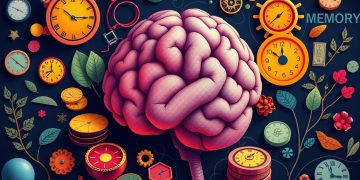
How Word Games Stimulate Creativity and Strategic Thinking

Word games enhance creativity and strategic thinking by challenging players to think outside the box and devise tactics. Engaging in these games enriches vocabulary, improves problem-solving skills, and fosters cognitive flexibility, making them invaluable tools for personal development and intellectual growth in both social and academic contexts.

Mental Challenges: The Intersection of Strategic Thinking and Adventure Games

Adventure games engage players by combining immersive storytelling with mental challenges that enhance strategic thinking and emotional intelligence. Through complex puzzles and social interactions, players develop critical problem-solving skills and foster empathy, equipping them with valuable capabilities applicable in real-world situations. These gaming experiences promote cognitive growth and interpersonal development.

Resilience Strategies: Learning from Puzzles and Survival Games

In today's fast-paced world, resilience strategies derived from puzzles and survival games enhance adaptability and problem-solving skills. Engaging in these activities fosters critical thinking, teamwork, and emotional resilience, equipping individuals to navigate challenges effectively. This blend of cognitive and interpersonal skills is essential for personal growth and professional success.