
The Vital Role of Hydration
Water is often overlooked in pet nutrition, yet it holds immense significance for the well-being of our furry friends. Understanding the importance of hydration for dogs and cats can enhance their overall health and longevity. In the vibrant landscapes of Nigeria, where temperatures can soar, keeping your pets well-hydrated is crucial.
Why Hydration Matters
Hydration is essential for several reasons, including:
- Regulating Body Temperature: Especially in hot weather, hydration helps maintain a stable body temperature. For instance, during the peak heat of the day, an unhydrated pet is more likely to suffer from heatstroke, which can be fatal.
- Aiding Digestion: Sufficient water intake facilitates food digestion and nutrient absorption. This is particularly important for pets consuming dry kibble, which requires water to break down effectively. If your pet is experiencing digestive issues or constipation, a lack of hydration could be a significant factor.
- Promoting Kidney Health: Proper hydration prevents urinary issues and supports kidney function. Dehydrated pets are more prone to urinary tract infections and kidney stones, especially in warm climates where water intake might decline.
Furthermore, pets can be prone to dehydration due to factors like high activity levels, dietary choices, and environmental conditions. For example, dogs that accompany their owners on long walks or engage in vigorous play require extra water to replenish lost fluids. Similarly, cats that primarily eat dry food may not consume enough water, leading to increased risk of dehydration.
It’s crucial to recognize the signs of dehydration which may include:
- Lethargy: An unusually tired or sluggish pet could indicate that they need more water.
- Dry Gums: Healthy gums should be moist. Dry or sticky gums may signal that your pet is dehydrated.
- Loss of Skin Elasticity: When the skin is pinched and does not bounce back quickly, it may indicate dehydration.
In Nigeria, where access to clean water can sometimes be a challenge, pet owners must take proactive steps to ensure their dogs and cats are sufficiently hydrated. Providing fresh, clean water at all times is essential. In rural areas, where water quality may fluctuate, consider investing in a water filtration system or regularly boiling water to kill contaminants.
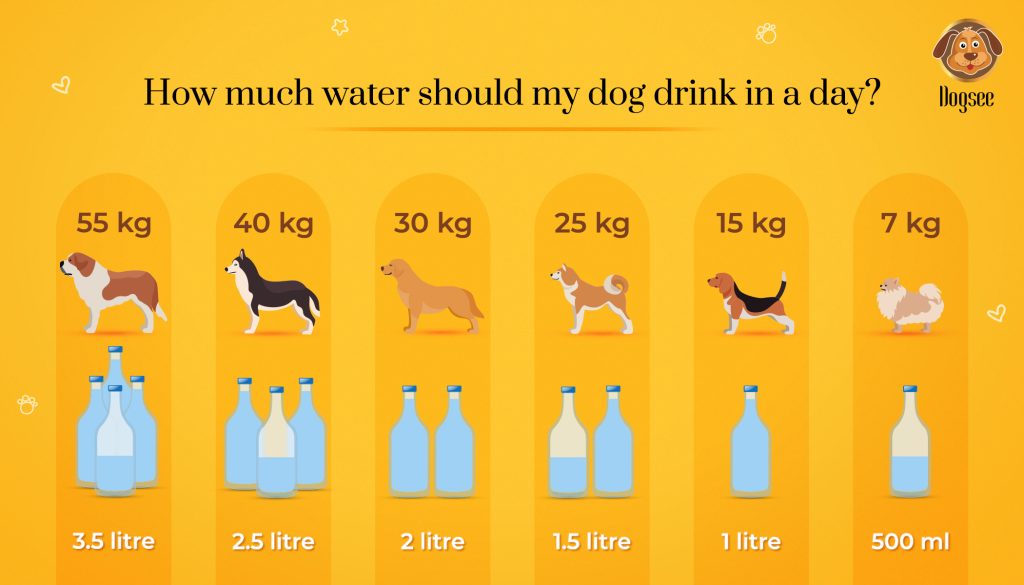
Moreover, incorporating wet food into your pet’s diet can help increase their overall water intake, especially for finicky eaters. By fostering an understanding of hydration, pet owners can empower themselves to make informed choices, leading to a vibrant and healthy life for their companions. Ensuring good hydration not only supports physical health but also enhances your pets’ quality of life, helping them remain active and playful for years to come.
LEARN MORE: This related article may interest you
Understanding Your Pet’s Hydration Needs
For pet owners, ensuring their dogs and cats remain well-hydrated is a fundamental aspect of responsible caregiving. Unlike humans who have a more prominent awareness of their thirst, animals rely on their owners to provide the essential fluids they require. It is crucial to comprehend how much water your pet should be drinking on a daily basis, which varies based on factors such as size, age, activity level, and diet. The Nutritional Guidelines for Dogs and Cats recommend that pets consume approximately 1 ounce of water per pound of body weight each day. Therefore, a 10-pound cat should drink around 10 ounces of water daily, while a 60-pound dog needs approximately 60 ounces. In regions like Nigeria, where the heat can be relentless, adjusting these figures to ensure adequate hydration becomes even more pressing.
Water Sources for Dogs and Cats
Besides providing accessible fresh water, pet owners can also consider alternative means to boost hydration levels. Both dogs and cats can benefit from various water sources, such as:
- Fresh Water Bowls: Regularly change the water in your pet’s bowl to ensure it remains clean and appealing. Some pets may be more inclined to drink from bowls that have been recently filled.
- Water Fountains: Pets often prefer drinking from running water sources. Automated water fountains are an excellent choice to encourage your pets to drink more frequently, as the sound and flow of fresh water can attract them.
- Wet or Moist Food: Incorporating wet or canned food into your pet’s diet can significantly increase their overall water intake. Many cats, in particular, thrive on wet food, as it contains about 70-80% moisture.
Recognizing the importance of hydration extends beyond just providing water; it is also about understanding your pet’s individual needs and preferences. Some pets may be more prone to dehydration, especially during hot weather or after strenuous activities. Factors such as increased activity during the dry season in Nigeria can lead to a higher risk of dehydration in active dogs and even in indoor cats that might dehydrate if they are not consuming sufficient fluids.
It is essential for pet owners to monitor their animals’ drinking habits and make adjustments as needed. Encourage your pets to drink by offering fresh water after walks or playtime, and create a routine that includes regular breaks for hydration. Serving water at different locations within the home can also stimulate their interest. Pay close attention to any sudden changes in your pet’s drinking behavior, as it could be an early sign of a health concern.
In conclusion, hydration is a vital component of your dog’s and cat’s nutrition, and owners play a crucial role in their pets’ health by ensuring they receive adequate fluid intake. By being proactive about hydration, you are not only preventing serious health issues but also promoting energy, vitality, and overall happiness for your beloved companions.
| Advantage | Importance |
|---|---|
| Prevents Dehydration | Keeping pets hydrated helps avoid serious health issues, such as kidney disease and urinary tract infections. |
| Promotes Digestive Health | Adequate water intake supports proper digestion, nutrient absorption, and optimal metabolism in dogs and cats. |
In understanding the necessity of hydration, it is crucial to recognize that pets require a steady supply of water in addition to their diet. Water acts as a vital component in every cellular process, making it essential for overall health. Dogs and cats that consume dry food may be relying solely on their drinking habits to meet their hydration needs; thus, pet owners should monitor water intake closely to ensure appropriate consumption.Moreover, the environmental temperature plays a significant role in determining how much water a pet needs. During warmer months or after vigorous activity, pets are more likely to expel fluids through panting and perspiration, raising their need for water. Adding moisture-rich foods to their diet, like wet or canned food, can also help provide necessary hydration while enhancing their nutrient intake.Regularly assessing your pet’s urine color can also serve as an indicator of their hydration levels; a lighter shade generally signifies adequate hydration, while darker urine can hint at dehydration. Ensuring that clean, fresh water is always available will encourage drinking behaviors. Staying vigilant about these aspects will safeguard your furry friends from the risks associated with dehydration, ultimately contributing to their health and vitality.
YOU MAY ALSO LIKE: Read read another article
Recognizing Signs and Consequences of Dehydration
Understanding your pet’s hydration needs is one thing, but recognizing the signs of dehydration is equally crucial for their well-being. Dogs and cats can lose water through various means, such as panting, sweating through paw pads, urination, and even through their breath. Being aware of the signs of dehydration can mean the difference between early intervention and a potential medical emergency.
Some common symptoms of dehydration in pets include:
- Dry Gums and Mouth: A pet’s gums should be moist and slippery. If they appear dry or sticky, it might indicate dehydration.
- Loss of Skin Elasticity: A simple test involves gently pinching your pet’s skin on their back. If it does not quickly return to its original position, this can signal that they are dehydrated.
- Sunken Eyes: Watch for any noticeable sunken appearance in your pet’s eyes. This can be a serious indicator of fluid loss.
- Increased Thirst: While pets should drink regularly, an unusual increase in their thirst can be a red flag for potential underlying health issues.
- Fatigue or Lethargy: If your pet seems less energetic than usual or lacks interest in play or regular activities, it may be a sign they are not getting enough hydration.
In Nigeria, where the climate can reach extreme heat, understanding these signs can be vital, especially during the dry seasons that can leave pets more susceptible to dehydration. Preventing dehydration is notably critical as it can lead to serious health complications such as kidney damage, urinary tract infections, and even life-threatening conditions like heatstroke.
Special Considerations for Different Life Stages
Just as hydration needs vary by activity level, age is another crucial factor in a pet’s water requirements. Puppies and kittens have different hydration needs compared to adult pets. Young animals often consume more water relative to their body size because they are growing rapidly. Older pets may also require increased attention to hydration as they may experience changes in their thirst mechanisms or have underlying health issues that could affect their fluid balance.
Furthermore, pets suffering from chronic conditions such as diabetes, kidney disease, or gastrointestinal disorders may be more vulnerable to dehydration. In these situations, consulting with a veterinarian can provide specific hydration guidelines tailored to your pet’s health.
Tips for Promoting Hydration
There are numerous creative ways to bolster hydration in your dog or cat’s routine. Offering ice cubes as a treat during hot days can be a fun and refreshing method to keep them hydrated. You can also freeze their favorite wet food in a pet-safe container for a delicious popsicle that will entice them to drink more.
Additionally, consider adding broth or low-sodium chicken stock to their water bowl for a flavorful twist that can attract even the pickiest eaters to drink more. However, ensure that any broth does not contain harmful ingredients like onions or garlic that could be toxic to pets.
Implementing these methods while routinely checking for hydration indicators allows pet owners to create an environment conducive to adequate fluid intake. Being proactive about your pet’s hydration can significantly enhance their quality of life and longevity.
RECOMMENDED: Check out this similar article
Ensuring Optimal Hydration for Pets
The significance of adequate hydration in the lives of dogs and cats is crucial to their overall health. Water not only plays a vital role in facilitating digestion, but it also aids in temperature regulation, which is particularly important in hot climates like Nigeria. Pet owners must understand that access to fresh water is essential, especially during the sweltering months when dehydration can set in swiftly.
One of the most insidious aspects of dehydration is that pets may not show overt signs until they are significantly dehydrated. Therefore, being vigilant about your pet’s hydration levels is paramount. Some common signs include lethargy, dry gums, and loss of skin elasticity. If you’re unsure, a simple method is to pinch the skin gently; a quick return to normal indicates healthy hydration, while slower movement can be a red flag.
Strategies to Enhance Water Intake
To encourage your furry companions to drink more, you can implement a variety of engaging strategies. Adding a splash of low-sodium broth to their water can entice even the fussiest drinkers. Moreover, incorporating water-rich foods into their diet, such as cucumbers or watermelons, can provide hydration while also serving as a tasty treat.
- Hydration on the Go: Portable water bottles designed for pets are handy for walks, ensuring your pet remains hydrated even while exploring the outdoors.
- Creative Feeding Solutions: Consider soaking dry kibble in water or offering wet food that naturally contains higher moisture levels.
As responsible pet owners, acknowledging and meeting the hydration needs of your pets is integral. Consulting with a veterinarian can provide tailored advice that accounts for your pet’s specific health conditions, age, and activity level. Elderly pets or those with underlying health issues may have distinct hydration requirements that need closer attention.
In conclusion, hydration is not merely about quenching thirst; it’s about fostering a life filled with vitality and vigor. By making hydration a priority, you are laying the groundwork for a healthier, longer life for your beloved companions. Stay informed, stay observant, and ensure that every sip counts for their well-being.
Related posts:
The Role of Nutrition in Preventing Common Diseases in Dogs and Cats in Nigeria
How to Identify Food Allergies in Pets and Adjust Their Nutrition
The Influence of Age on Pet Nutrition: Considerations for Senior Dogs and Cats
How Nutrition Affects Pet Behavior in Nigeria
The Importance of Hydration in Pet Diets and How to Ensure They Drink Enough Water
Toxic Foods for Pets: What to Avoid in the Diet of Nigerian Pets

Beatriz Johnson is a seasoned pet care expert and writer with a passion for simplifying the complexities of pet ownership and animal well-being. With over a decade of experience in the field, she specializes in topics like pet nutrition, training techniques, and health care. Through her work on our website, Beatriz empowers pet owners to make informed decisions and provide the best possible care for their furry friends, ensuring happy and healthy lives for their beloved companions.