
The Importance of Sterilization and Castration for Animals in Nigeria
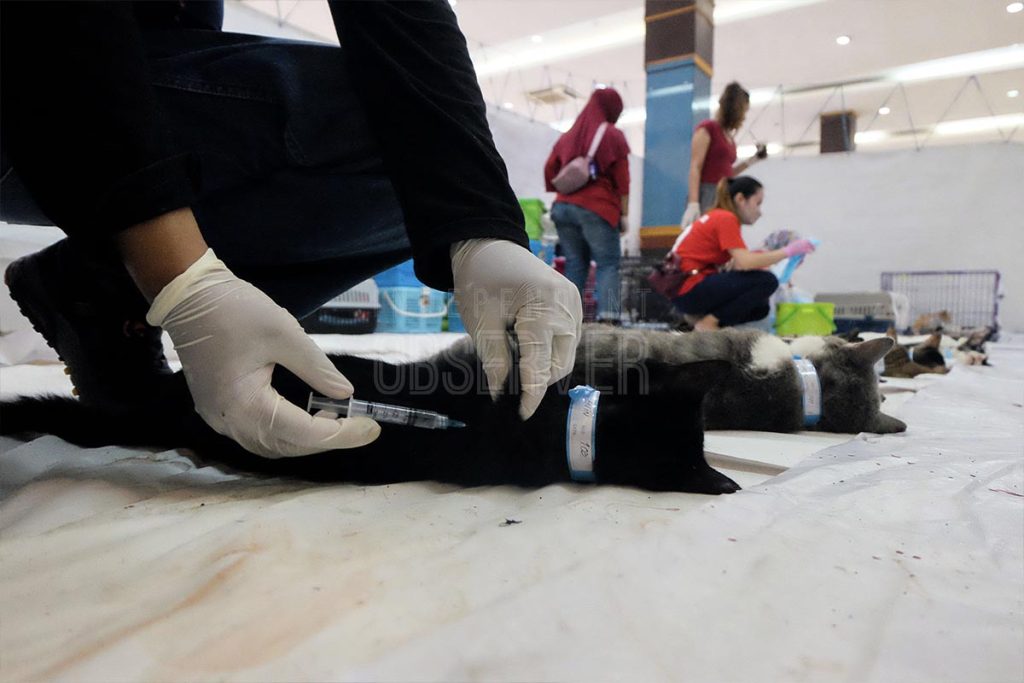
Every year, millions of animals in Nigeria face various health risks and challenges related to uncontrolled populations. Sterilization and castration are two essential practices that can help mitigate these issues, ultimately benefiting both animal health and societal welfare. These procedures not only aid in the prevention of disease but also play a significant role in tackling the growing problem of pet overpopulation.
Why Sterilization and Castration Matter
Understanding the importance of these practices reveals several compelling reasons why they are crucial:
- Health Benefits: Sterilization, which refers to the surgical procedure that removes reproductive organs, significantly reduces the risk of certain cancers, such as testicular cancer in males and uterine infections in females. For instance, spayed female dogs are less likely to develop mammary tumors, which are often fatal. Additionally, these procedures help decrease the prevalence of sexually transmitted diseases among animals, contributing to their overall health.
- Behavioral Improvement: Castration can reduce aggressive behaviors and territorial marking in male animals, while sterilization may lessen the tendency for females to roam in search of mates. This can lead to more focus and a calmer demeanor, making them better companions in households. Communities that have implemented these practices often report lower incidents of animal attacks, leading to enhanced public safety.
- Population Control: One of the most pressing issues in Nigeria is the rise in stray animal populations. By promoting sterilization and castration, unplanned litters of unwanted puppies and kittens are dramatically reduced. For instance, a single pair of cats and their offspring can produce up to 420,000 kittens over seven years if none are sterilized. This staggering statistic highlights the urgent need for community-wide intervention.
The Stray Animal Crisis in Nigeria
In various cities across Nigeria, stray animals have become a visible issue, leading to concerns over public health, safety, and animal welfare. Stray dogs and cats often suffer from malnutrition, diseases, and a lack of socialization. Implementing effective sterilization and castration programs could significantly lower the stray population, improving the life quality of both pets and wild animals. Animal shelters and welfare organizations can play a pivotal role in facilitating these programs, ensuring that animals receive care and attention.
Moreover, successful sterilization initiatives can foster a more harmonious relationship between humans and animals. By enhancing public awareness about animal welfare and responsible pet ownership, communities can encourage individuals to adopt these humane practices. An increase in education and understanding can directly lead to better public policies that support animal population management.
Join us as we delve deeper into the profound impacts of sterilization and castration on animal health and the broader implications for society. With collective effort, we can nurture a more compassionate approach to managing animal populations, ensuring a brighter future for our beloved companions and the communities they inhabit.
SEE ALSO: Click here to read another article
Understanding the Benefits of Sterilization and Castration
The practices of sterilization and castration serve as fundamental tools for promoting animal health and societal wellbeing. They are not merely surgical interventions but pivotal steps towards a healthier and more responsible coexistence of humans and animals. As Nigeria grapples with rising stray populations and the accompanying health challenges, the necessity of these procedures becomes increasingly evident. Here, we delve into the critical dimensions of why these practices should be prioritized.
Health Advantages for Animals
One of the significant aspects of sterilization is its profound impact on animal health. By removing reproductive organs, sterilization significantly lowers the likelihood of various diseases. Female animals, for instance, benefit from a reduced risk of pyometra (a potentially fatal infection of the uterus) and mammary tumors if spayed before their first heat cycle. In males, castration eliminates the chance of testicular cancer and also curtails prostate issues that often affect older dogs.
- Reduction of Hormonal-Related Conditions: Many behavioral and health issues stem from hormones related to reproduction. Sterilization and castration help mitigate conditions caused by these hormones, leading to better overall health.
- Decreased Incidence of Diseases: By reducing contact with unaltered animals, the spread of sexually transmitted diseases such as canine brucellosis is diminished, fostering a healthier animal population.
- Improved Lifespan: Research indicates that sterilized animals often live longer, healthier lives due to decreased risks associated with various health issues.
Enhancing Behavioral Traits
Castration is known for its profound effects on animal behavior, a vital area of focus in maintaining effective human-animal relationships. Male dogs often exhibit aggressive behaviors, territorial disputes, and relentless marking when they are not neutered. By neutralizing these instincts through castration, animals tend to become more docile and easier to manage. Conversely, spayed females tend to exhibit less anxiety related to mating behaviors, making them more content companions.
The result is not only a more harmonious home environment but also reduced public safety concerns. In urban areas where stray dogs are prevalent, incidents related to aggressive dog behavior may decrease significantly with community-wide sterilization and castration programs in place.
Confronting the Overpopulation Challenge
As Nigeria faces an alarming increase in stray animal populations, the roles of sterilization and castration cannot be overstated. The sheer volume of unplanned litters contributes to the cycling of stray populations, leading to overcrowded shelters and, unfortunately, a higher rate of euthanasia. According to studies, a single unsterilized female dog can give birth to two litters per year, potentially leading to a staggering 67,000 offspring in just six years. This statistic underscores the dire consequences of neglecting sterilization and castration efforts.
The urgent need for community action is clear. By promoting these responsible practices, we can collectively combat the issue of animal overpopulation in Nigeria. Organizations can initiate county-based spay-and-neuter campaigns targeting at-risk communities. With education and access to affordable veterinary services, communities can greatly benefit from the health and social advancements that sensible sterilization and castration practices provide.
| Benefits of Sterilization | Impact on Animal Population |
|---|---|
| Reduces the risk of certain health issues | Prevents overpopulation of stray animals |
| Lessens aggressive behaviors | Contributes to lower euthanasia rates |
Sterilization and castration are vital components in ensuring the health and welfare of animals. By opting for these procedures, pet owners can significantly reduce the likelihood of certain health issues such as pyometra in females and testicular cancer in males. This direct relationship between sterilization and improved animal health provides compelling reasons for responsible pet ownership. Moreover, the impact on animal populations cannot be overstated. Each year, millions of animals are euthanized due to overcrowding in shelters. By practicing castration and sterilization, communities can dramatically reduce the number of stray animals roaming the streets, which in turn lessens the burden on local shelters. These initiatives, underscored by public awareness campaigns, not only promote better animal health but also ensure a sustainable approach to managing pet populations and enhancing the bond between humans and their pets.
SEE ALSO: Click here to read another article
Community and Economic Implications of Sterilization and Castration
Beyond the immediate health benefits for individual animals, sterilization and castration have far-reaching implications for communities and economies. In Nigeria, where animal welfare intersects with public health, enhancing the understanding and implementation of these practices is crucial for growth and development.
Community Wellbeing and Public Health
The relationship between animal populations and public health cannot be overstated. Stray animals often serve as vectors for diseases such as rabies, which remains a pressing concern in many regions. By reducing the number of unaltered animals through sterilization and castration, communities can diminish the spread of zoonotic diseases, protecting both animal and human populations. Approximately 59% of rabies cases worldwide are attributed to uncontrolled dog populations, emphasizing the need for urgent action in Nigeria.
Moreover, sterilization helps foster a sense of responsibility and awareness among pet owners regarding animal care. As communities come together to champion these practices, positive attitudes emerge around responsible pet ownership. This collaborative mindset can lead to a decline in the abandonment of pets and a decrease in public complaints regarding aggressive or loud animals.
Economic Benefits of Responsible Pet Ownership
Investing in pet sterilization and castration can result in significant economic advantages. Firstly, communities can expect a reduction in costs associated with managing stray populations. Stray animals often require public funds for shelter and healthcare, which can strain local resources. By tackling the overpopulation issue through sterilization programs, local governments can redirect these funds towards community development projects.
Additionally, pet sterilization encourages responsible breeding practices among those who choose to breed animals. When owners commit to sterilization, they can ensure that their animals are only bred for specific and favorable traits. Such practices can lead to healthier litters and increase the overall quality of bred pets in the market.
A report showed that spaying or neutering pets can save an average community up to 80% in public funds spent on managing stray animals. These savings can be redirected towards healthcare, education, and other local priorities—a compelling argument for municipalities to subsidize sterilization and castration efforts.
A Path Towards an Educated Public
Education is pivotal in promoting the importance of sterilization and castration in Nigeria. As much as accessibility to veterinary services is a concern, misconceptions surrounding these procedures remain significant barriers. Misunderstandings about the effects of sterilization—such as health risks or loss of desirable traits—need to be actively addressed. It is essential to propagate accurate information through community workshops, school programs, and veterinary outreach initiatives.
- Engagement with Local Vet Clinics: Partnering with veterinary service providers can create programs offering discounted rates for sterilization services targeting low-income families.
- Community Awareness Campaigns: Leveraging local media and social platforms to share success stories can reinforce positive attitudes about sterilizing pets.
- Involvement of NGOs: Collaborating with non-governmental organizations dedicated to animal welfare can amplify outreach efforts and provide resources for communities eager to embrace change.
Ultimately, the importance of sterilization and castration extends far beyond individual animal welfare; it encapsulates a holistic approach to public health, responsible pet ownership, and economic efficiency. In Nigeria, prioritizing these practices will facilitate a journey toward healthier, safer communities and contribute to the promotion of animal welfare.
YOU MAY ALSO LIKE: Read read another article
Conclusion: A Safer, Healthier Future Through Sterilization and Castration
In summary, sterilization and castration are not merely veterinary procedures; they are pivotal practices that drive the well-being of both animals and communities in Nigeria. By implementing these measures, we drastically reduce the risks posed by uncontrolled animal populations, which include the spread of zoonotic diseases such as rabies, safeguarding public health and safety. The benefits extend beyond immediate health concerns, fostering a culture of responsible pet ownership that enhances community relationships and reduces the abandonment of animals.
Economically, investing in pet sterilization can yield notable financial relief for local governments by decreasing expenses related to stray animal management. These savings can then be directed towards vital community services such as healthcare and education, fostering an environment where both animal welfare and public needs are addressed collectively. The argument that spaying or neutering can save up to 80% in public funds reflects the potential financial impact of these interventions.
However, the success of these initiatives relies heavily on education and awareness. By dispelling myths and enhancing understanding of the benefits of sterilization and castration, communities can shift perceptions towards these essential practices. Collaborations with veterinary clinics, NGOs, and local organizations can amplify outreach and ensure accessibility to services for all pet owners.
As we move forward, prioritizing sterilization and castration can pave the way for healthier animals, reduced suffering, and enriched community life. As stakeholders in both public health and animal welfare, embracing these practices is essential for a sustainable and harmonious future in Nigeria.
Related posts:
Environmental Enrichment Strategies to Stimulate Natural Animal Behavior
Natural Alternatives for Pest Control in Pets
How to Create a Safe and Comfortable Environment for Your Pet
The Importance of Proper Nutrition for Pet Health
The Importance of Regular Exercise for the Physical and Mental Health of Pets
Socialization Techniques to Improve Interaction between Pets and Humans

Beatriz Johnson is a seasoned pet care expert and writer with a passion for simplifying the complexities of pet ownership and animal well-being. With over a decade of experience in the field, she specializes in topics like pet nutrition, training techniques, and health care. Through her work on our website, Beatriz empowers pet owners to make informed decisions and provide the best possible care for their furry friends, ensuring happy and healthy lives for their beloved companions.