
The Joy and Challenges of Puppy Training
Welcoming a puppy into your home is undoubtedly one of the most exhilarating moments in life, filled with laughter and boundless energy. However, this delightful experience also brings about a variety of challenges, particularly when it comes to training. For new puppy owners, mastering basic training commands is often a primary goal. These commands not only help in nurturing good behavior but also serve as the foundation for a strong, trusting relationship between you and your furry companion.
Essential Elements of Effective Training
When embarking on the journey of training your puppy, there are several critical elements to keep in mind.
- Consistency: Consistency is key in any training regimen. Use the same commands and gestures every time to avoid confusing your puppy. For instance, if you want to teach your puppy to sit, always use “sit” and the same hand signal. This familiarization helps your dog understand what’s expected of them more quickly.
- Patience: Remember that each puppy is unique, and some may take a little longer to grasp commands than others. Patience is essential; rushing the process can lead to frustration for both you and your puppy. Make training sessions enjoyable, and don’t hesitate to revisit basic commands if necessary.
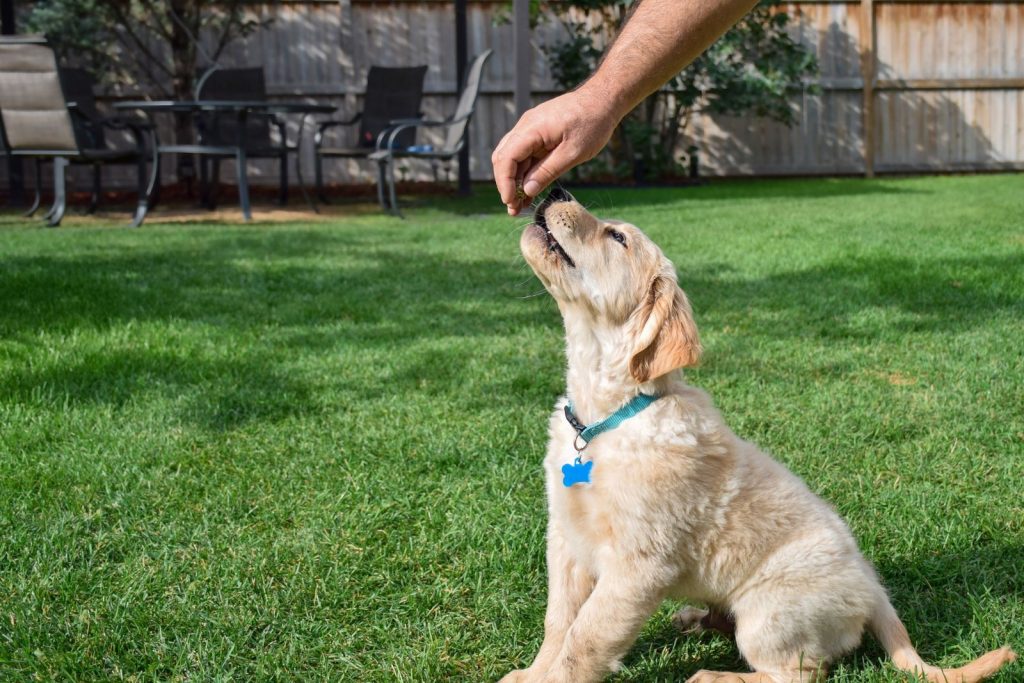
- Positive Reinforcement: Rewarding good behavior with treats, praise, or playtime encourages your puppy to repeat those actions. For example, if your puppy successfully sits on command, reward them immediately with a local treat like “bones” or a gentle rub behind the ears. This approach cultivates a positive atmosphere, boosting their eagerness to learn.
Understanding Unique Characteristics in Nigeria
In Nigeria, where diverse breeds like the Dogo Argentino and the Local Nigerian Dog exist, understanding your puppy’s behavioral traits is crucial. Different breeds have varying temperaments; for instance, a highly active breed may require different methods than a more relaxed one. Tailor your training sessions accordingly. Keep them short—ideally around 5-10 minutes—filled with excitement to captivate their attention. Utilize local treats, such as pieces of meat or locally sourced biscuits, to motivate them further.
Strategies for Successful Command Training
As you embark on this rewarding journey, numerous proven strategies can help ensure that training is both efficient and enjoyable. Establish a designated training area free from distractions, ensuring that your puppy can focus. Additionally, engage the whole family in training sessions; this not only creates a more consistent environment but also strengthens the bond your puppy has with everyone in the household.
Equipped with these insights, you are poised to transform your playful puppy into a well-mannered companion. Embrace this joyful journey of mutual growth—get ready to uncover effective training tips that not only foster discipline but also enrich the companionship you share with your beloved pet!
ADDITIONAL INSIGHTS: Expand your understanding here
Fundamentals of Teaching Basic Commands
To successfully train your puppy in basic commands such as “sit,” “stay,” “come,” and “down,” it’s crucial to grasp the fundamentals that will lay the groundwork for a lifelong partnership. Teaching these commands not only ensures safety and appropriate behavior but also enhances your puppy’s cognitive development and emotional well-being. Let’s explore key methods to efficiently convey these essential skills.
Effective Training Techniques
When training your puppy, utilizing effective techniques is imperative. Here are some strategies that will streamline the training process:
- Clear Commands: Use distinct and simple commands for each action you want your puppy to learn. For example, when teaching “come,” use only that word, accompanied by a consistent gesture like waving your arms. Avoid using long phrases; keep it clear and straightforward.
- Frequent Practice: Regular practice is essential for reinforcing learning. Instead of lengthy sessions, aim for short bursts of training throughout the day. Puppy attention spans are limited; therefore, training sessions of about 5-10 minutes are ideal. Schedule multiple sessions daily to instill a routine.
- Environment Matters: Start training your puppy in a quiet environment free from distractions. Avoid busy areas where loud noises or people might divert their attention. As your puppy masters commands, gradually introduce distractions to reinforce their learning under various conditions.
Utilizing Local Resources for Training
Nigeria offers a wealth of local resources that can enhance your puppy training experience. Visit community parks where groups gather for dog training sessions. Engaging with other puppy owners can provide fresh ideas and insights. Consider joining local training classes offered by trained professionals familiar with your puppy’s breed characteristics.
It is also beneficial to tap into the rich variety of local treats available, such as smoked fish or pieces of cooked chicken. These flavorsome rewards can significantly increase your puppy’s motivation during training. Experiment with different treats to discover what excites your puppy the most, making the learning process enjoyable.
The Importance of Bonding Through Training
Training is not merely a task to check off your list; it is a powerful opportunity for bonding with your puppy. These sessions allow you to create shared experiences, fostering trust and understanding. As your puppy learns to follow commands, their confidence flourishes, leading to a stronger relationship with you. Celebrate their progress, no matter how small. Whether it’s a wagging tail or a happy bark, acknowledge their achievements with words of praise and affection.
By applying these effective training techniques, you are setting the stage for a lifetime of learning and companionship. So gear up, and enjoy the rewarding experience of teaching your puppy basic commands—transforming them into a well-behaved member of your family will be a journey worth every moment!
| Training Method | Advantages |
|---|---|
| Positive Reinforcement | Building a strong bond with your puppy through rewards enhances learning efficacy and promotes good behavior. |
| Consistency | Establishing a regular training routine enables puppies to better understand commands and expectations, leading to quicker mastery. |
When it comes to teaching basic commands efficiently, employing positive reinforcement can be a game-changer. This method leverages rewards like treats, praise, or playtime to encourage desired behaviors. Not only does it motivate your puppy, but it also strengthens the bond between you and your puppy, making training sessions enjoyable and effective.Additionally, practicing consistency is crucial. Use the same verbal cues and hand signals for each command to avoid confusing your puppy. Regular training sessions, spaced throughout the day, can keep your puppy engaged and accelerate their learning curve. Implementing these strategies can make the training process smoother and more effective, encouraging your puppy to learn basic commands much more efficiently.
LEARN MORE: This related article may interest you
Incorporating Play into Training
Training your puppy doesn’t have to be a rigid or monotonous task. In fact, incorporating play into your training sessions can significantly enhance the learning experience. Puppies are naturally playful and inquisitive, making play a powerful tool for motivation and reinforcement.
Interactive Games and Their Benefits
Utilizing interactive games can help reinforce basic commands while keeping your puppy engaged. Games such as fetch or hide and seek can be woven into the training routine to make learning fun. For example, when playing fetch, you can practice the command “come” during the retrieval process. As your puppy runs back to you, use the command and reward them with a treat upon their return. This practice not only enhances their recall abilities but also creates positive associations with the command.
Additionally, teaching your puppy through games can improve their problem-solving skills. For instance, you can hide treats around your home or yard and encourage your puppy to find them using commands like “search” or “find.” This game not only boosts their physical activity, which is vital for their health, but it also sharpens their cognitive functions, preparing them for more complex commands in the future.
Positive Reinforcement Techniques
The backbone of effective training is positive reinforcement. This technique involves rewarding your puppy for desirable behavior rather than punishing them for mistakes. The use of treats, praise, and physical affection creates a positive learning environment, making your puppy eager to perform the desired tasks. Consistency is key; ensure that every time your puppy successfully follows a command, they receive a reward.
Moreover, varying the rewards can keep your puppy motivated. While some puppies may respond well to traditional dog treats, others might find greater motivation in playtime or their favorite chew toy. Understanding your puppy’s preferences will allow you to tailor rewards effectively, ensuring a more engaging training experience.
Consistency and Patience in Training
When it comes to effective puppy training, consistency and patience cannot be overstated. Puppies thrive on routine. Use the same commands, tone of voice, and reward systems consistently to avoid confusion. This uniformity helps reinforce the learning process, allowing your puppy to understand what is expected of them.
While training may seem straightforward, remember that each puppy learns at their own pace. Some may grasp commands quickly, while others require more time. Maintain your composure and encourage your puppy, celebrating even minor milestones. This not only helps your puppy learn effectively but also nurtures a lasting excitement about training that will carry on into their adult life.
Engaging with local trainers or pet enthusiasts can enhance your own understanding of these methods. In Nigeria, several communities and social media groups are dedicated to dog training. Utilize these resources to gain new insights and share experiences with fellow dog owners, reinforcing the notion that training is a continuous learning journey.
By incorporating play, maintaining consistency, and utilizing positive reinforcement, your journey in teaching basic commands will be both enjoyable and productive for you and your puppy.
RECOMMENDED: Check out this similar article
Conclusion
In conclusion, successfully training your puppy to understand basic commands is not only about imparting obedience but also about enhancing the bond between you and your furry companion. As explored throughout this article, effective training hinges on a combination of positive reinforcement, consistency, and the judicious use of play. These elements work together to create a supportive environment that encourages learning and builds trust.
It’s crucial to remember that each puppy is unique and will have different learning paces and preferences. While some may quickly pick up commands like “sit” or “stay,” others may require extra time and patience. Celebrating small victories along the way fosters confidence in your puppy and keeps the training process enjoyable for both of you.
Moreover, utilizing local resources, such as dog training communities in Nigeria, can provide invaluable support and insights. Engaging with fellow dog owners and trainers can form a network of shared experiences, making the training journey more enriching and informed.
Ultimately, the key takeaway is to approach training with a spirit of fun and camaraderie. By making use of games and interacting with your puppy in a playful manner, you not only teach them commands effectively but also cultivate a loving and responsive companion. As you embark on this training adventure, remember that your commitment and the joy you share will lay the foundation for a well-mannered and happy dog.
Related posts:
Training Elderly Pets: Adaptations and Effective Strategies
Training Strategies for Senior Pets: Adapting Techniques for Older Dogs and Cats
Training Small Animals: How to Teach Rabbits and Hamsters to Follow Commands
How to Create a Positive Learning Environment: Tips for Training Your Pet at Home
How to Train Puppy Dogs: Essential Tips for a Positive Start
The Importance of Socialization in Dog Training: How to Prepare Your Pet for the Outside World

Beatriz Johnson is a seasoned pet care expert and writer with a passion for simplifying the complexities of pet ownership and animal well-being. With over a decade of experience in the field, she specializes in topics like pet nutrition, training techniques, and health care. Through her work on our website, Beatriz empowers pet owners to make informed decisions and provide the best possible care for their furry friends, ensuring happy and healthy lives for their beloved companions.