
Unlocking Your Cat’s Potential
Cats are often seen as independent creatures, but beneath that seemingly aloof exterior lies a world of potential waiting to be tapped into. With the right approach, even the most stubborn cat can learn a variety of behaviors and fun tricks. By investing a little time and patience, you can transform your feline friend into a well-behaved companion who not only entertains but also enhances the quality of your daily life. Let’s delve into effective training techniques that will enrich your cat’s behavior and strengthen the bond you share.
Understanding Your Cat’s Nature
Every cat is unique—a fact that every dedicated pet owner must appreciate. Recognizing the pivotal elements that affect your cat’s ability to learn is crucial before embarking on a training journey. Here are a few factors to consider:
- Age: Kittens, generally under six months, are more receptive to training. Their inquisitive nature allows them to absorb information quickly. For instance, a kitten may more readily learn to fetch a toy than an older cat who may require more patience and motivation to adapt.
- Temperament: Just like humans, cats have distinct personalities. Some breeds, such as Siamese or Abyssinians, are naturally more trainable due to their high energy and intelligence. On the other hand, breeds like Persians may prefer lounging over learning.
- Environment: A secure and stimulating living space promotes learning. Providing engaging toys and scratching posts can create an environment where your cat feels comfortable enough to explore new behaviors. For example, in Nigeria, a cat may enjoy a sunny window perch where they can observe their surroundings while basking in the sunlight.
The Basics of Cat Training
Initiating training with basic commands is foundational. Not only do these commands establish discipline, but they also create a rewarding atmosphere for both cat and owner. Here are common behaviors to teach your cat:
- Sit: This is a fundamental command that demonstrates discipline. Begin by holding a treat above your cat’s head, encouraging them to look upward, which naturally leads them into a sitting position. Reward them immediately upon sitting.
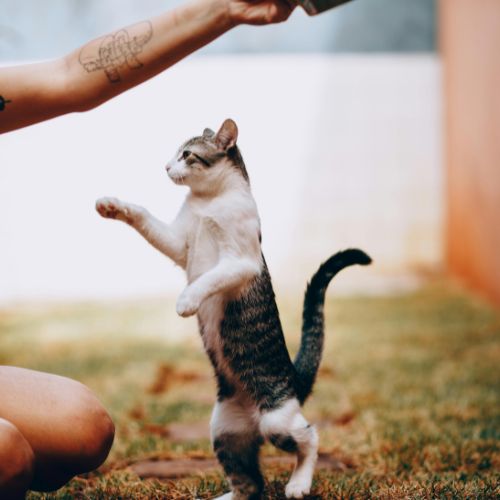
- High Five: This entertaining trick not only showcases your cat’s agility but also serves as a fun interaction. To teach this, extend your hand with a treat and gently tap your cat’s paw with your other hand. With practice, they’ll start associating the movement with the reward.
- Come: Teaching ‘Come’ is essential for safety. Begin in a controlled environment, perhaps with minimal distractions. By calling your cat’s name followed by ‘come’ and offering treats, you reinforce this crucial recall command.
Engaging your cat in training sessions not only sharpens their skills but also creates opportunities for bonding moments. As you practice and succeed, you’ll discover that training your cat can be an enjoyable journey filled with laughter and affection. Enriching your cat’s mental and physical health through training opens up a channel of communication that further deepens the companionship you share. So, gather some treats, dedicate a few minutes each day, and watch as your cat unlocks their hidden potential, making learning a delightful experience for both of you.
ADDITIONAL INSIGHTS: Expand your understanding here
Getting Started with Feline Training
As you embark on the journey of cat training, it’s essential to make the experience enjoyable not only for you but also for your furry companion. Understanding a few foundational principles can make all the difference. Training sessions should be short but frequent; cats have shorter attention spans than dogs, and incorporating play can help maintain their engagement. Here are some practical tips to kickstart your training journey:
- Establish a Routine: Cats thrive on predictability. Setting a consistent time each day for training can create a sense of routine for your cat. Choose a time when your feline friend is alert and active, ideally before their mealtime, so they are motivated by their hunger.
- Use Positive Reinforcement: The key to effective training is rewarding desirable behavior. The use of treats, praise, or petting immediately after your cat performs the desired behavior can reinforce their learning. This method encourages them to repeat the action, associating it with a positive experience.
- Keep Sessions Short and Sweet: Limit training sessions to about 5-10 minutes, especially for beginners. This helps prevent overstimulation or boredom. After a short session, always end on a positive note, regardless of your progress. A successful training time encourages future attempts.
- Be Patient and Observant: Patience is critical in the process of teaching new commands or tricks. Observe your cat’s body language; this can give you insights on how they are feeling. If they seem stressed or uninterested, it might be best to take a break and try again later.
Beyond the basics, it’s crucial to remember that cats respond well to games. Utilizing their natural hunting instincts can turn training into a fun activity. For example, suspend a feather toy from a string to inspire them to jump or reach, integrating play into your training routine. Such activities not only build your cat’s physical skills but also enhance their problem-solving abilities.
Common Command Techniques
When you begin teaching commands, starting with simple ones like “sit” or “stay” sets the stage for more complex behaviors. Teaching your cat to sit is often beneficial as it can redirect their energy, especially during chaotic moments. Here’s a closer look at a few basic commands:
- Lie Down: To teach this, lure your cat into a lying position by lowering a treat to the ground. Encourage them to follow the treat. When they lie down, reward them accordingly. Repetition is key, and soon they will catch on.
- Jump Through a Hoop: Once your cat has grasped easier commands, you can introduce this exciting trick. Start with a hula hoop on the ground and gradually elevate it as your cat becomes more confident in jumping through.
- Fetch: While fetch is commonly seen in dogs, many cats can learn this skill too! Begin by tossing a small toy a short distance and encouraging your cat to retrieve it. Use treats or praise when they return it to you, gradually increasing the distance.
Training your cat is more than just teaching them tricks; it is a pathway to establishing a deeper relationship with your pet. As you venture into the world of cat training, embrace the journey with joy and curiosity, and you’ll unlock not only your cat’s potential but also a shared adventure that enriches both your lives.
| Advantages | Details |
|---|---|
| Enhanced Communication | Training your cat allows for better communication between you and your feline. Understanding their responses to commands enriches your bond. |
| Mental Stimulation | Teaching tricks provides mental engagement, preventing boredom and behavioral issues. Active cats tend to stay happier and healthier. |
| Socialization Skills | Training fosters social skills that make your cat more amiable around other pets and people, enhancing their adaptability. |
| Fun Bonding Time | Sessions can be a delightful way to strengthen your bond with your cat, making training an enjoyable experience for both. |
SEE ALSO: Click here to read another article
Expanding the Training Repertoire
Once you have established basic commands, you may find your curiosity piqued to explore more advanced behaviors and fun tricks. Creative training exercises not only stimulate your cat’s mind, but they also strengthen your bond. Here are some intriguing tricks and techniques to elevate your cat training ambitions:
Advanced Commands and Tricks
- High-Five: To teach your cat to give a high-five, start by having them sit in front of you. Hold a treat just above their paw, encouraging them to lift it to reach for the treat. When their paw makes contact with your hand, reward them immediately. With practice, your cat will learn to offer a high-five on command!
- Roll Over: This trick can be a crowd-pleaser. Begin by getting your cat to lie down. Once they’re comfortable in this position, gently encourage them to roll by guiding them with a treat. As their body turns, reward them, and gradually shape this behavior until they roll over on cue.
- Come When Called: Teaching your cat to respond to their name can be invaluable, especially for safety. Start by calling your cat in a friendly tone while holding a treat. Congratulate them and reward them when they come to you. Consistent practice can lead to a well-trained cat who comes at your command.
Another fascinating aspect of cat training is using clicker training, a well-known method that has gained popularity among cat owners. A clicker is a small device that makes a distinct sound when pressed, marking the exact moment your cat performs a desired behavior. This sound serves as a bridge between the command and the reward, making it effective for teaching a variety of behaviors. Consider investing in a clicker to enhance your training sessions.
Incorporating Fun and Interactive Games
In Nigeria, where many households keep cats as beloved companions, why not turn training into a engaging session? Consider introducing interactive games that utilize your environment. For instance:
- Obstacle Courses: Design a mini agility course within your home or garden. Utilize household items like chairs, boxes, or cushions that your cat can jump over or navigate through. Plus, turning this setup into a mini-competition with family members can add a joyful dynamic to the training.
- Treasure Hunts: Stimulating your cat’s cognitive abilities can be highly rewarding. Hide treats around your living space and encourage your cat to find them. This game taps into their natural hunting instincts while also keeping them active.
While training your cat can be fun and beneficial, it’s crucial to respect their autonomy. Unlike dogs, cats are not pack animals and may resist commands if they don’t see the value in them. Understanding your cat’s unique personality can help you tailor the training experience. For instance, some cats may be more motivated by play than by food. Instead, use their preferred toy as a reward, which can lead to effective engagement.
Finally, remember that consistency is vital throughout the training process. Regular sessions and repetition help solidify the learning process for your feline friend. With patience, creativity, and a sprinkle of fun, you’ll discover a range of behaviors and tricks that can transform your training sessions into memorable experiences.
LEARN MORE: This related article may interest you
Conclusion
In conclusion, cat training offers both pet owners and their feline companions a rewarding journey filled with discovery and fun. As you embark on this adventure, remember that the key lies in patience, consistency, and understanding your cat’s unique personality. By applying the techniques discussed, such as teaching advanced commands like high-fives or incorporating engaging games like treasure hunts, you can stimulate your cat’s mind while enhancing your bond.
Moreover, embracing methods like clicker training can efficiently promote communicative engagement. It is essential to recognize that every cat is different; some may prefer play-based rewards over food, so adapting your approach is crucial. Training should remain a positive and enjoyable experience for both you and your cat, fostering trust and confidence that will undoubtedly stand the test of time.
Furthermore, given the rich culture of companionship in Nigeria, involving family members in training activities can not only make it enjoyable but also deepen relationships. As you explore innovative techniques and tricks, you will discover that the journey of cat training is more than just teaching behaviors—it’s about creating cherished moments that cultivate joy and connection within your household.
So, gather those treats, pick up a clicker, and get ready to transform your cat training sessions into enlightening experiences that both you and your furry friend will remember. Happy training!
Related posts:
Training Elderly Pets: Adaptations and Effective Strategies
Tips for Training Exotic Pets: Techniques Adapted for Less Common Species
Training Strategies for Cats: How to Teach Desired Behaviors
The Importance of Socialization in Dog Training: How to Prepare Your Pet for the Outside World
The Importance of Mental Exercise in Pet Training: Stimulating Your Animal's Mind
Training Pets with Natural Rewards: Using Healthy Foods to Motivate Your Pet

Beatriz Johnson is a seasoned pet care expert and writer with a passion for simplifying the complexities of pet ownership and animal well-being. With over a decade of experience in the field, she specializes in topics like pet nutrition, training techniques, and health care. Through her work on our website, Beatriz empowers pet owners to make informed decisions and provide the best possible care for their furry friends, ensuring happy and healthy lives for their beloved companions.