
Understanding the Impact of Socialization in Dog Training
Socialization is a fundamental component of successful dog training, particularly in the vibrant and often chaotic environment of Nigeria. The country’s bustling markets, crowded streets, and diverse lifestyles necessitate that dogs are well-adjusted to various stimuli. Proper socialization can drastically reduce the likelihood of behavioral problems, ensuring your pet is not only manageable but also a delight in social settings.
When socializing your dog, it is essential to expose them to a range of experiences, including:
- Different people: Meeting new individuals, from children to the elderly, helps your dog become comfortable around various age groups and appearances. This can be particularly important in places like Lagos, where street vendors, pedestrians, and tourists abound.
- Various sounds: Nigeria is filled with diverse auditory stimuli, from honking cars to traditional music playing from nearby shops. Gradual exposure to these sounds helps your dog distinguish between normal and alarming noises, reducing anxiety.
- Unfamiliar environments: Taking your dog to different locations, such as parks, malls, or even rural areas can cultivate adaptability. This experience will come in handy when you decide to enjoy a weekend getaway in areas like the Obudu Mountain Resort.
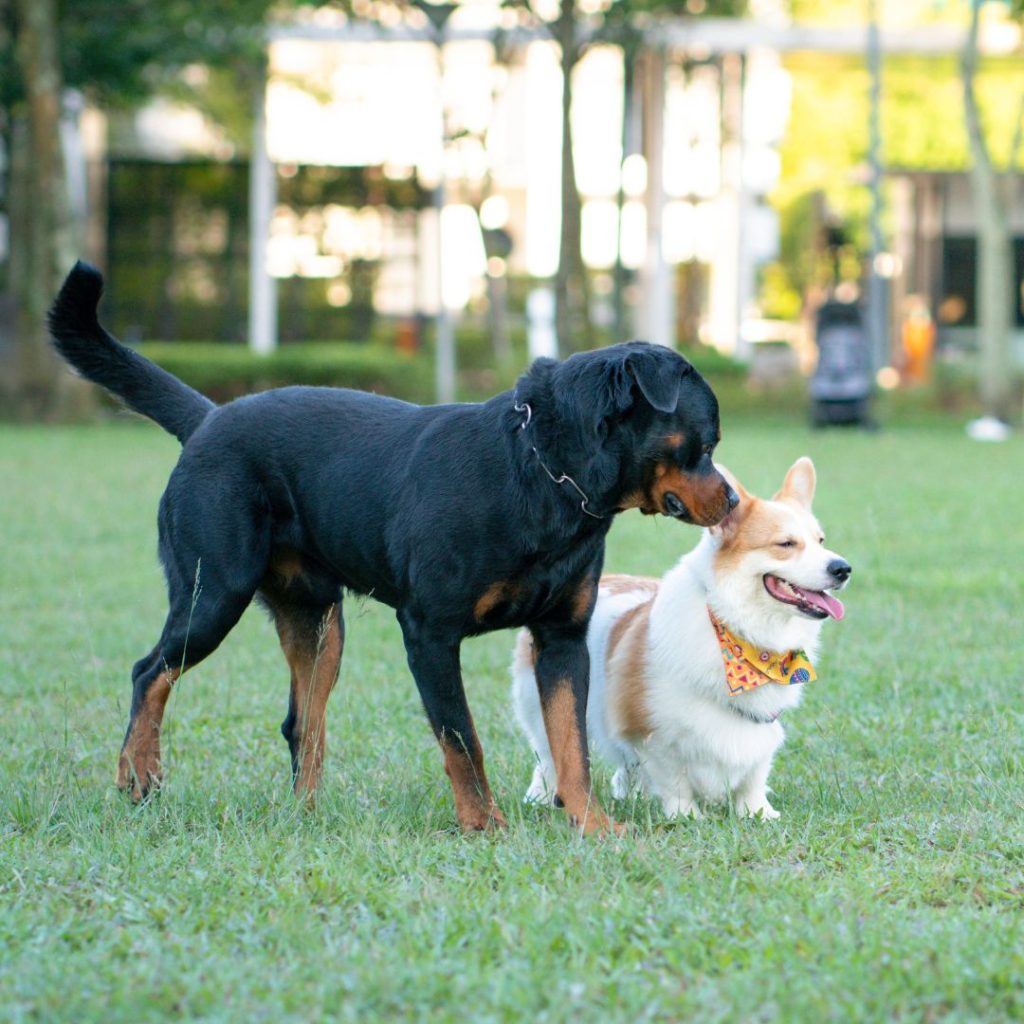
- Other animals: Interaction with other pets can be beneficial for developing social skills. Visiting dog-friendly spaces or even attending local pet events will allow your dog to learn appropriate play behavior and how to communicate with other animals.
Each of these interactions is critical in teaching your dog how to react appropriately to various situations. Through these experiences, your dog will learn to exhibit confidence instead of fear, turning outings to local events, parades, and family gatherings into enjoyable excursions for both you and your furry friend.
Furthermore, dogs that are effectively socialized typically display better behavior and are easier to manage in public spaces. They are less prone to barking excessively, showing aggression towards people or other pets, and experiencing anxiety in novel situations. These traits not only make walking your dog a pleasant activity but also contribute to a safer environment for everyone involved.
Understanding the significance of socialization is paramount for every dog owner. It’s not merely about preparing your pet for the outside world; it’s about enriching their quality of life and strengthening the bond you share. An adequately socialized dog often becomes a source of joy and companionship, fully integrating into family life and local culture. So, invest the time and effort into socializing your dog; the results will undoubtedly enhance both their well-being and your shared experiences.
CHECK OUT: Click here to explore more
Essential Steps for Effective Dog Socialization
As dog owners, the journey of socializing our pets begins the moment they enter our homes. However, it is crucial to understand that the process requires consistent effort and patience, especially in a diverse and bustling country like Nigeria. To ensure that your furry friend thrives in various environments, follow these essential steps for effective dog socialization.
1. Early Exposure
Starting the socialization process early is one of the most important strategies. Puppies are most receptive to new experiences between the ages of 3 and 14 weeks. During this critical period, it’s essential to introduce them to as many positive experiences as possible. Bring your puppy to different environments like local markets, festivals, and family gatherings where they can comfortably interact with varied sights, sounds, and smells.
2. Controlled Interactions
While exposing your dog to the outside world, it is important to manage their interactions with people and other animals. Monitoring these experiences ensures they feel safe and secure. You can initiate short play sessions with vaccinated puppies at dog parks or arrange meet-ups with other friendly pets. This practice will not only bolster their social skills but also teach them respect and communication with fellow animals.
3. Positive Reinforcement
Utilizing positive reinforcement techniques during socialization is vital to encourage desirable behaviors. Reward your dog with treats and affection whenever they exhibit calm and friendly behavior in new situations. Whether it’s greeting a stranger or meeting another dog, positive associations with these experiences will help construct their confidence. Consider these tips:
- Use treats: Carry small, bite-sized treats that can be easily offered during social encounters.
- Avoid punishment: Scolding or punishing your dog during socialization can lead to fear and anxiety; instead, cultivate positive memories.
- Stay calm: Your demeanor influences your dog’s behavior; maintain a calm and reassuring presence throughout the socialization process.
4. Regular Practice
Socialization should not be a one-time practice; instead, it should become an integral part of your dog’s daily life. Regularly expose your pet to different settings—whether it’s a grocery store, outdoor café, or community event. Such consistent exposure will gradually help your dog adapt to unfamiliar situations. In Nigeria, where public spaces like beaches and parks can often be crowded, training your dog to be comfortable in these settings is especially essential.
As you implement these steps, keep in mind that each dog is unique and may require different approaches. For instance, some dogs may take longer to adjust to new experiences, and that’s perfectly normal. The goal here is to cultivate a well-socialized animal who can confidently navigate the complexities of life alongside humans and other pets. Remember, socialization lays the groundwork for a happy and fulfilled dog, making every outing a potential adventure. So, invest in their social journey—it pays dividends in the long run.
The Role of Socialization in Behavioral Development
The significance of socialization in dog training cannot be overstated, as it lays the foundation for well-rounded and well-adjusted pets. One of the primary advantages of incorporating socialization into your training regimen is that it helps to mitigate fear and anxiety in dogs. Exposing your pet to various environments, people, and other animals promotes confidence, enabling them to navigate the outside world with ease. Dogs that are well-socialized are generally more adaptable to new experiences, reducing the likelihood of behavioral issues stemming from unrecognized threats or unfamiliar situations.
Socialization and Positive Associations
Moreover, socialization plays a key role in fostering positive associations in dogs. Early experiences with different stimuli, such as sounds, sights, and scents, can instill a sense of calmness and curiosity in your pet. Dogs that are introduced to new situations positively often develop a more enthusiastic and fearless approach to exploration. Incorporating playdates with other dogs, visits to pet-friendly public spaces, and gradual exposure to daily life can create a rich tapestry of experiences that promote healthy social behavior.
Practical Tips for Effective Socialization
When preparing your pet for the outside world, it is essential to approach socialization with a structured plan. Start with controlled environments, such as your backyard or a quiet park, before venturing into bustling areas. Ensure that your dog’s experiences are positive by using treats and praise to reinforce good behavior during encounters. Consistency and patience are key; allow your dog to acclimate at their own pace, offering support and reassurance along the way. Remember that the goal is to build your dog’s confidence, not to overwhelm them.Utilizing a variety of training aids, such as leash training and positive reinforcement techniques, can further enhance the socialization experience. Observing your dog’s body language can provide valuable insight into their comfort level, allowing you to adjust the intensity of their exposure accordingly. By focusing on socialization, you’re not just preparing your pet for the outside world; you’re also nurturing a deeper bond and understanding between you and your dog.
YOU MAY ALSO LIKE: Read read another article
The Role of Environment in Dog Socialization
Socialization is not solely about interaction with people and other dogs; the environment plays a significant role in shaping a dog’s behavior and instincts. In Nigeria, with its rich tapestry of different cultures, sounds, and settings, dogs experience a myriad of stimuli that can either enhance or inhibit their social behavior. Understanding how to navigate these environmental elements is key in preparing your pet for the outside world.
1. Varied Landscapes
Incorporating different landscapes into your dog’s socialization routine can have profound effects on their adaptability. Urban areas, with bustling markets, busy streets, and vibrant communities, offer unique experiences that can teach your dog to remain calm amidst chaos. Conversely, rural environments may introduce them to wildlife, open spaces, and the unfamiliar sounds of nature. During these excursions, ensure that your dog is on a sturdy leash to maintain control while allowing them to explore their surroundings.
2. Noise Desensitization
Noise is an often-overlooked factor in socialization, especially in a lively country like Nigeria, where sounds range from honking cars to street musicians entertaining the crowds. Dogs that are not accustomed to loud noises may react with anxiety or fear. To combat this, intentionally expose your dog to various sounds in controlled environments. Play recordings of city noises or visit neighborhoods with high foot traffic. Gradually increasing the volume over multiple sessions can help your dog become more comfortable and less reactive to unfamiliar sounds.
3. Cultural Interaction
Nigeria’s vibrant culture presents ample opportunities for enriching social experiences. Attend cultural festivals or community events where your dog can meet different people in traditional attire, experience local music, and enjoy the delicious aroma of street food. Such events not only introduce your dog to diverse social cues but also create positive associations with different odors and sights, fostering confidence in the presence of new stimuli. Always supervise interactions, especially in crowded spaces, ensuring that your dog’s comfort is prioritized.
4. Grooming and Handling
Socialization extends beyond outdoor experiences; grooming is an essential part of a dog’s routine. Familiarizing your pet with grooming sessions—such as bathing, brushing, or nail trimming—helps them become comfortable with handling. Begin introducing these activities at an early age; use treats and praises to create pleasant associations. Cultivating an environment where your dog feels at ease with physical contact can significantly reduce stress during visits to the veterinarian or moments of unexpected handling by others.
5. Seeking Professional Guidance
In cases where a dog may show signs of anxiety or aggression, seeking assistance from professional trainers or behaviorists can be beneficial. Many trainers in Nigeria offer socialization classes designed specifically for puppies and adult dogs. Participating in these structured settings allows dogs to interact with other animals under expert supervision and guidance, ensuring a safer learning experience. Furthermore, professional advice often provides tailored strategies to address any particular modern challenges faced by dog owners in diverse environments.
By focusing on the significance of the environment and incorporating these elements into your dog’s socialization routine, you’ll be laying the foundation for a well-adjusted pet. The experience of living in a bustling environment, combined with the emotional support you provide, will not only prepare your dog for outdoor adventures but also strengthen the bond between you and your furry companion.
SEE ALSO: Click here to read another article
Understanding the Importance of Socialization in Dog Training
In conclusion, socialization is a crucial aspect of dog training that directly impacts your pet’s ability to thrive in the outside world. Dogs are inherently social animals, and their ability to interact with humans, other animals, and different environments shapes their overall behavior and temperament. By thoughtfully exposing your dog to a variety of situations—including urban bustling streets, rural quiet spaces, and everything in between—you significantly decrease the chances of behavioral issues such as anxiety and aggression.
For instance, in Nigeria’s vibrant cities like Lagos or Abuja, dogs face unique stimuli, from the sounds of traffic to the presence of street vendors. Introducing your dog to these environments gradually helps them become accustomed to the hustle and bustle, enabling them to remain calm during actual outings. Moreover, practices such as noise desensitization—where you expose your dog to different sounds like thunderstorms or fireworks in a controlled manner—can promote adaptability and resilience. This approach not only eases your dog’s fears but also encourages a more relaxed demeanor in unfamiliar scenarios.
Furthermore, encouraging cultural interactions is vital. In Nigeria, where there are numerous festivals and public gatherings, allowing your dog to experience these social settings can help them develop confidence. Additionally, regular grooming sessions not only keep your dog looking tidy but also serve as essential socializing opportunities. These visits can familiarize pets with new people and conditions, reinforcing their comfort in various scenarios.
It’s essential to remember that socialization isn’t merely about making your dog comfortable; it is about building a trustworthy companion who can confidently navigate the complexities of their surroundings without fear or aggression. Prioritizing a structured socialization plan will allow your dog to thrive in a vibrant environment like Nigeria, rich with unique cultural experiences, from local markets to community events.
As you embark on this rewarding journey together, the bond you cultivate with your pet will enrich your relationship, ensuring both of you are well-prepared for the adventures that lie ahead. By engaging in a proactive approach to socialization, you are setting the stage for your dog to flourish into a well-rounded member of the community, capable of embracing life’s many facets. Embrace this process, and witness the transformation of your furry friend into a confident and sociable companion.
Related posts:
How to Use Interactive Games to Improve Training and Bonding with Your Pet
The Importance of Exercise: Physical and Mental Training for Adult Dogs
How to Create a Positive Learning Environment: Tips for Training Your Pet at Home
Training Elderly Pets: Adaptations and Effective Strategies
Cat Training: Tips for Teaching Behaviors and Fun Tricks
Positive Reinforcement Techniques: How to Enhance the Effectiveness of Animal Training

Beatriz Johnson is a seasoned pet care expert and writer with a passion for simplifying the complexities of pet ownership and animal well-being. With over a decade of experience in the field, she specializes in topics like pet nutrition, training techniques, and health care. Through her work on our website, Beatriz empowers pet owners to make informed decisions and provide the best possible care for their furry friends, ensuring happy and healthy lives for their beloved companions.