
Creative Leftover Recipes to Reduce Food Waste

Discover Creative Ways to Use Leftovers
As food waste continues to escalate, it is vital that individuals take actionable steps within their homes. In the United States alone, approximately 40% of food produced ends up in landfills, contributing to significant financial losses and adverse environmental impacts, such as increased landfill overflow and rising greenhouse gas emissions. Every household can join the fight against food waste by creatively repurposing leftovers. Not only does this practice help save money, but it also opens up a world of culinary possibilities and flavors.
With a little creativity and inspiration, your leftovers can be transformed into mouth-watering meals. Here are some innovative ways to turn leftover ingredients into new culinary creations that can excite your palate and contribute to sustainability:
- Soups and Stews: The cold months are perfect for using up leftover vegetables, proteins, and grains to create hearty soups. For example, a mix of roasted vegetables from last night’s dinner, combined with broth and spices, can yield a rich and flavorful vegetable soup. If you have leftover chicken, consider making a warming chicken noodle soup or a comforting chili with beans.
- Fritters and Patties: Leftover grains such as quinoa or rice can serve as the base for delicious fritters. Simply mix them with eggs, herbs, and any remaining vegetables, and pan-fry until golden brown. These versatile patties are not only nutritious but also make for a great appetizer or snack, easily packed for lunches or picnics.
- Breakfast Bowls: Transform your leftover grains and veggies into a nourishing breakfast bowl. For instance, leftover roasted sweet potatoes can be tossed into a bowl with quinoa or brown rice, topped with a poached egg and a sprinkle of avocado. This dish not only showcases your creativity but also sets a nourishing tone for the day.
- Wraps and Tacos: Wraps and tacos are the perfect solutions for utilizing leftover meats and vegetables. Stuff tortillas with shredded beef, chicken, or even beans, and add fresh toppings like salsa, avocado, and cheese for quick meals. These are ideal for a busy weeknight or a pack-and-go lunch option.
Embracing these inventive leftover recipes not only leads to significant savings but also keeps your meals exciting. By incorporating leftovers into your cooking repertoire, you are contributing positively to the environment while experiencing diverse and flavorful dishes. Making time to explore new ways to utilize what’s already in your pantry can spark culinary creativity and reduce the impact of food waste in your community. So, next time you have leftovers piled up, think beyond traditional reheating and dare to invent something truly delightful!
DISCOVER MORE: Click here for delicious slow cooker recipes
Innovative Ideas for Leftover Ingredients
As we navigate the challenges of reducing food waste, incorporating innovative thoughts and creativity in the kitchen can make all the difference. By finding exciting ways to utilize leftover ingredients, we not only help reduce waste but also inspire culinary creativity. Here are some practical tips to inspire you to transform those uneaten meals into something extraordinary:
- Casseroles: Casseroles provide a fantastic platform to blend various leftover ingredients. Whether it’s day-old rice, the last bits of a protein, or an assortment of vegetables, combine them with some sauce, cheese, or breadcrumbs, and bake for a satisfying one-dish meal. Popular options include a classic lasagna that layers leftover pasta and sauce or a mixed vegetable casserole that unites last week’s subscription box deliveries.
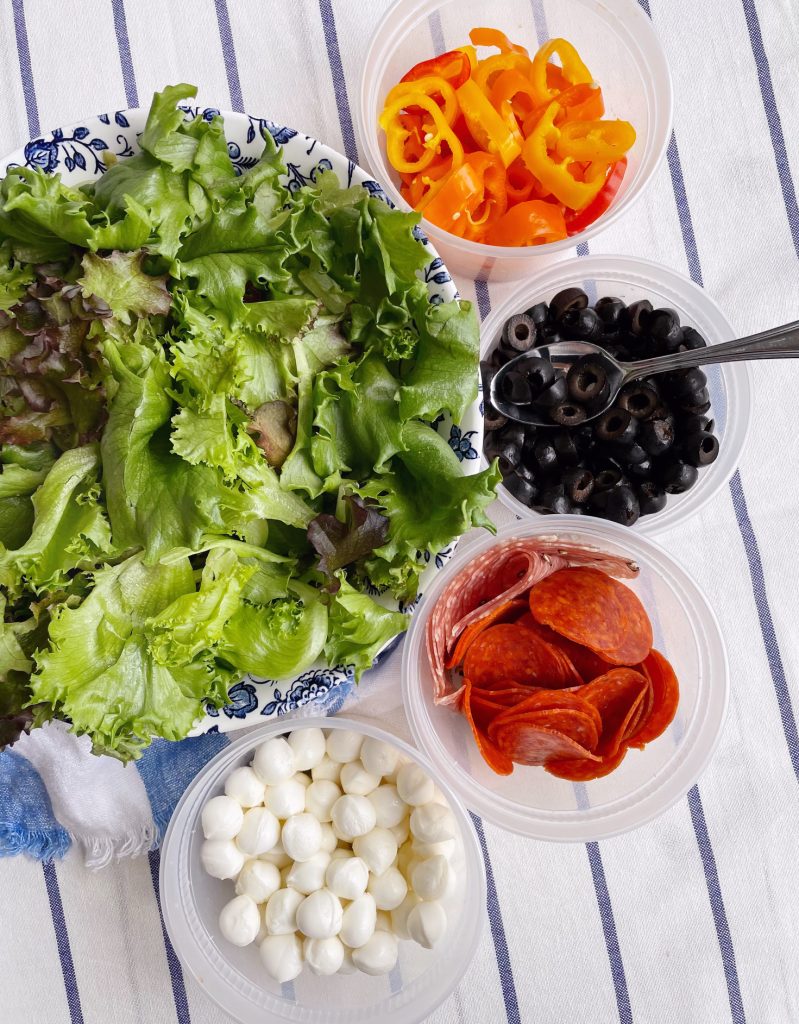
- Salads: Leftover proteins can elevate salads into hearty meals. Imagine topping a bed of greens or cooked grains with remnants of grilled chicken or roasted chickpeas, mixed with complementary dressings and seasonal produce. This is also a great way to get creative with your dressings—experimenting with leftover sauces can lead to refreshing new flavors. For example, mix leftover pesto with yogurt for a tangy dressing that breathes new life into your salad.
- Smoothies: Leftover fruits, whether they are slightly bruised or overripe, are perfect for smoothies. Combine them with yogurt or milk and a handful of greens for a nutritious start to your day. Additionally, incorporating protein powder or even nut butters can transform these beverages into a complete meal or snack, showcasing how versatile these ingredients can be.
- Pasta Dishes: Pasta is another excellent medium for using up leftovers. Toss your remaining meats and vegetables into a pasta dish along with a splash of olive oil or cream for a rich, satisfying meal. Think of pasta primavera that incorporates those leftover vegetables or macaroni and cheese that melds with any extra proteins or vegetables you may have on hand.
These ideas are not merely ways to clear out the fridge; they are avenues to create meals that are not only delicious but also evoke an adventure in dining. Each meal can quite literally be crafted into a unique story of its own. Engaging with your leftovers in this imaginative way can save you time and effort while enhancing your cooking prowess.
When you consider how much food is wasted, especially in a country like the United States, adopting these creative leftover recipes can contribute to a significant movement towards more sustainable consumption habits. By prioritizing resourcefulness in the kitchen, you become part of a broader effort to combat food waste, allowing you to make conscientious choices that align with an eco-friendly lifestyle.
| Advantage | Details |
|---|---|
| Cost-Effective Cooking | Elevate your meals without breaking the bank by using leftover ingredients efficiently. |
| Environmental Impact | Reducing food waste leads to a significant decrease in greenhouse gas emissions. |
| Nutritional Variety | Transforming leftovers can introduce new food combinations, providing diverse nutritional benefits. |
| Creativity in Cooking | Encourages culinary experimentation, inspiring home chefs to create unique recipes. |
When it comes to incorporating creative leftover recipes, the benefits extend beyond mere financial savings. For instance, employing these recipes not only provides delicious meals but also empowers individuals to play an active role in minimizing food waste. Many are unaware that wasted food contributes around 8-10% of global greenhouse gas emissions, highlighting a pressing need for change in our consumption habits. By creatively utilizing remnants from previous meals, not only do you enhance your cooking skills, but you also embrace an eco-friendly approach that benefits the planet.Moreover, experimenting with leftovers can lead to new culinary discoveries, enriching your diet with diverse flavors and nutrients. Whether it’s turning wilted vegetables into a vibrant stir-fry or baking stale bread into crispy croutons, the possibilities are endless! This newfound creativity not only enriches personal meal prep but also fosters a sense of accomplishment, encouraging a shift towards sustainable living. So, dive into the world of creative leftover recipes, reduce your carbon footprint, and enjoy a diversified palate!
DISCOVER MORE: Click here for budget-friendly meal ideas
Transforming Leftovers into Culinary Delights
Creative cooking with leftovers not only helps reduce food waste but also can unveil new flavors and textures that might have otherwise remained undiscovered. Using remnant ingredients can be both a sustainable act and a culinary expedition, showcasing how versatile home cooking can be. Here are additional imaginative methods to use leftover ingredients that can spark your creativity:
- Soups and Broths: Leftover vegetables, bones, and even grains can create a hearty soup or rich broth. Toss your leftover bits into a pot, add water or any leftover liquid such as stock, seasonings, and let it simmer. This approach is not just practical; it can produce comforting dishes like minestrone or a flavorful chicken noodle soup where you can utilize old carrots and limp celery to breathe new life into a classic dish.
- Frittatas and Quiches: Eggs are the ultimate leftover companions. Whip up a frittata or quiche using your remaining vegetables, cheeses, and meats. These versatile dishes come together quickly and can be enjoyed warm or cold, making them perfect for brunch or quick lunches throughout the week. A combination of roasted peppers, spinach, and cheese can yield a delicious frittata that makes excellent use of what’s leftover in your fridge.
- Stir-fries: Stir-frying is an efficient method to utilize leftover ingredients, particularly vegetables and proteins. Quickly cook your leftover produce alongside a protein of choice in a hot pan with a splash of soy sauce or teriyaki. This simple meal is both fast and flavorful—think of a vegetable stir-fry sprinkled with extra grains or the remains of last night’s dinner. Not only does this minimize waste, but it also serves as the perfect canvas for experimenting with different seasonings and sauces.
- Sandwiches and Wraps: If you have leftover meats or roasted vegetables, consider crafting sandwiches or wraps. Pile the remnants high with fresh greens and a flavorful spread, like hummus or aioli, between your favorite bread or in a tortilla. Leftover grilled vegetables wrapped with some feta and drizzled with balsamic vinegar can create a gourmet sandwich that highlights the delicious flavors you already have.
As you explore these innovative recipes, it’s crucial to embrace the idea of flavor pairing. Documenting what works together can help you develop a treasure trove of recipes that resonate with your taste and minimize food waste. Additionally, keep in mind that the U.S. alone loses approximately 30%-40% of its food supply due to waste, equating to approximately $161 billion in food wasted each year. Your efforts to creatively use your leftovers can contribute significantly to addressing this issue.
Begin to think of leftovers not as a burden but as an opportunity for culinary exploration. Reimagining what you have in your refrigerator can lead to delightful surprises that not only tantalize your taste buds but also promote a sustainable lifestyle. It encourages mindfulness in food preparation and helps foster a culture of respect towards the food we consume, nurturing our connection to the environment and community.
Through practical initiatives around the dinner table, you can advocate for change. Share your creative concoctions with friends or on social media and inspire others to reduce food waste through cooking. A movement starts with individual actions, and every culinary creation counts!
DISCOVER MORE: Click here for delicious budget-friendly slow cooker recipes
Conclusion: Embracing Creativity for a Sustainable Future
Reducing food waste through creative leftover recipes is not only a practical solution but also an exciting culinary adventure. By transforming remnants of previous meals into imaginative new dishes, we can savor flavors that may have otherwise gone unnoticed while making a positive impact on the environment. In the U.S., approximately 30%-40% of the food supply is wasted each year, leading to significant economic and ecological repercussions. However, individuals have the power to change this narrative.
The diverse methods we’ve explored—such as whipping up soups, frittatas, stir-fries, and gourmet sandwiches—highlight the potential in every corner of your refrigerator. These approaches encourage a mindset shift, where leftovers become opportunities instead of burdens. By documenting your culinary experiments, you can build a personal archive of recipes that not only resonate with your family’s taste but also celebrate sustainability.
Moreover, as you embark on this journey of reducing waste through inventive cooking, consider sharing your successes on social media or with friends. Promoting awareness and inspiring others to adopt similar habits can lead to a broader cultural shift towards mindful consumption and respect for our food resources. Every small step counts, and by taking action in our kitchens, we can contribute to a healthier planet.
Ultimately, embracing innovative leftover recipes fosters creativity, sustainability, and community connection. As you experiment with what you have on hand, you may discover not only delightful dishes but also a newfound appreciation for the food that nourishes us. So, roll up your sleeves, step into the kitchen, and turn waste into taste!