
Developing Problem-Solving Skills Through Classic Board Games
The Power of Classic Board Games in Developing Critical Thinking
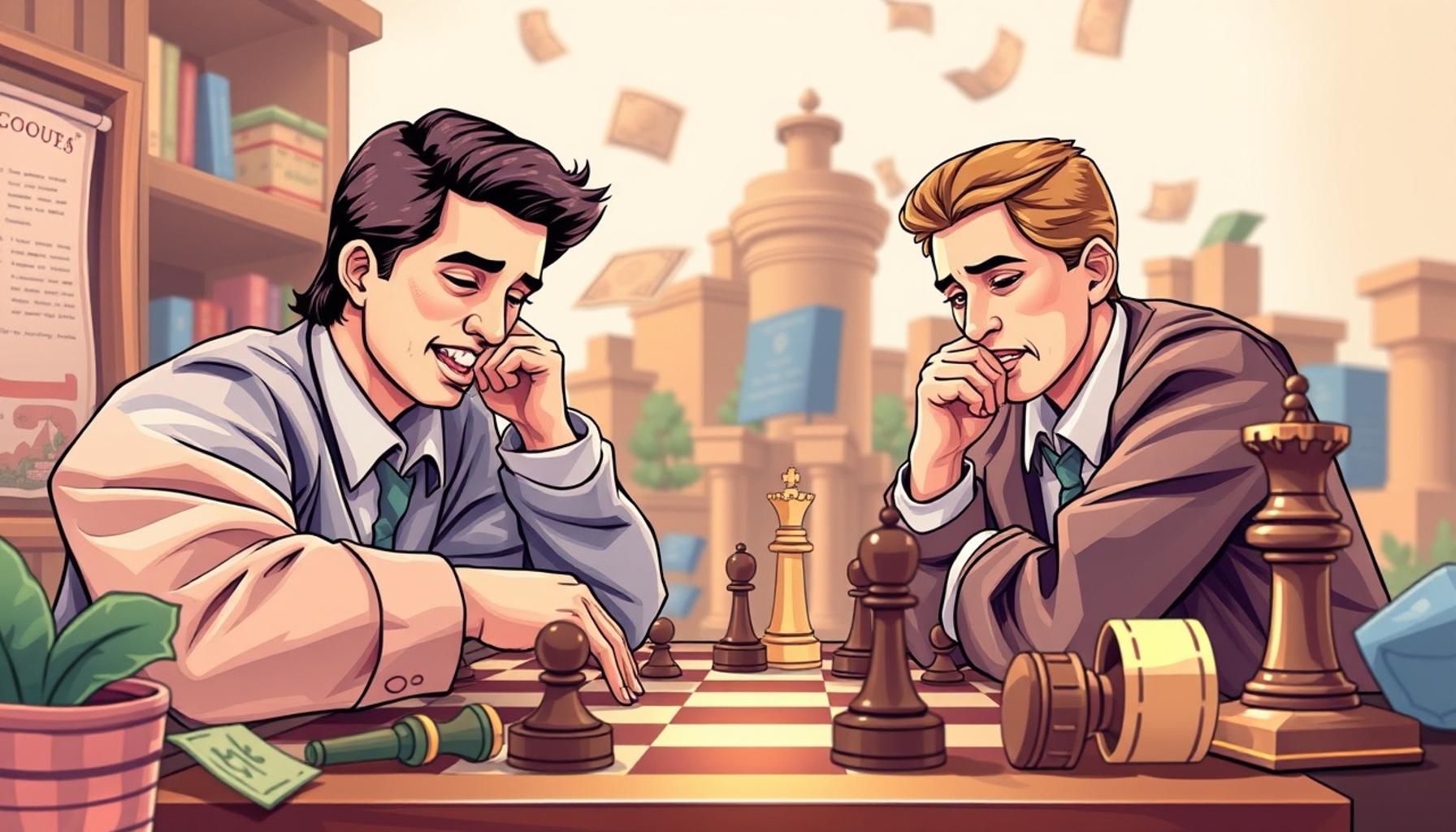
Gathering around a game board often evokes a sense of nostalgia and camaraderie, yet beneath the surface of laughter and friendly competition lies a powerhouse for skill development. Classic board games serve as rich platforms for teaching valuable problem-solving skills, enhancing critical thinking, and sparking creativity. Engaging in these games can develop skills that extend far beyond the confines of the game itself.
Strategic Thinking
In many classic board games, strategic thinking is paramount. Players are required to analyze their options closely and predict their opponents’ moves. This analytical process nurtures the ability to foresee consequences and outcomes—a skill that serves individuals well in both personal and professional arenas. For instance, in chess, each piece has a distinct potential, and understanding their movements relative to the opponent can revolutionize a player’s approach to the game. This kind of early training in strategic thinking primes children and adults alike for complex real-world decision-making, where positioning and strategy are critical whether in business negotiations or personal relationships.
Quick Decision-Making
Another significant aspect is the cultivation of decision-making skills. During a game, players are often compelled to make quick choices that could lead to victory or defeat. For instance, in games like Monopoly, the decisions about property acquisition, trading, and when to build houses can dramatically influence the game’s course. These scenarios reflect real-life situations where timely decisions can yield substantial consequences, reinforcing the importance of evaluating options swiftly and effectively.
Adaptability and Flexibility
Classic board games also teach players the importance of adaptability. As the game evolves and opponents adjust their strategies, players must rethink and retool their tactics. Settlers of Catan is a prime example, where negotiating trade and forming alliances can shift drastically based on player interactions. This constant need to adapt to new dynamics cultivates a flexible mindset that is essential in today’s ever-changing world, where adaptability is often correlated with success.
Examples of Skill Development
Each classic board game fosters unique problem-solving skills:
- Chess: Known for enhancing foresight and planning through intricate strategies, chess forces players to think several moves ahead, akin to predicting trends in business or technology.
- Monopoly: It teaches financial literacy and resource management, essential life skills in navigating personal finances and investing wisely.
- Settlers of Catan: This game emphasizes collaboration through negotiation and trade, demonstrating the power of teamwork in achieving common goals.
Ultimately, through these interactive experiences, participants of all ages cultivate essential skills that prove beneficial far beyond the game board. Engaging with classic games encourages not just friendly competition but fosters a generation equipped with the critical thinking skills necessary for tackling life’s challenges. As we delve deeper into the world of board games, the implications for the development of future generations’ problem-solving abilities become increasingly evident.
DIVE DEEPER: Click here to enhance your strategy
Unlocking Creativity and Collaboration Through Gameplay
Beyond the thrill of competition, classic board games often act as a breeding ground for creativity and collaboration. As players immerse themselves in the various narratives and mechanics, they are drawn into a universe where innovation thrives. The interactive nature of these games encourages individuals to think outside the box, devising unique strategies and outsmarting their opponents. For example, in a game like Risk, players must be not only shrewd tacticians but also creative thinkers, often employing unexpected maneuvers and psychological tactics to dominate the board. This interplay of creativity and strategy fosters an environment where problem-solving becomes instinctive and enjoyable.
Enhancing Communication Skills
The vital component of communication is also at the forefront during board game sessions. Every turn taken provides players opportunities to express their thoughts, intentions, and strategies. In collaborative games like Pandemic, participants must communicate effectively to strategize solutions to emerging crises. As they discuss which routes to take, resources to share, or risks to avoid, players practice articulating their ideas clearly and concisely, a skill that translates seamlessly into professional and personal environments.
Fostering a Growth Mindset
Classic board games also cultivate a growth mindset among players. They encourage participants to view challenges as opportunities to learn rather than mere obstacles. The ability to embrace losses—whether due to a poor strategy or an unforeseen twist—teaches resilience. Games such as Clue require players to gather information, analyze clues, and adapt their theories based on new evidence, promoting an understanding that vital skills improve through practice and experience. This shift in perspective not only impacts gameplay but also lays the groundwork for handling failures in various life situations.
A Deeper Dive into Game Mechanics
The mechanics of popular classic board games provide rich lessons in problem-solving:
- Scrabble: In this beloved word game, players enhance their vocabulary and learn to think critically about word placement and scoring potential, equipping them with language skills that can be invaluable in academic and professional settings.
- Risk: Strategic territory control and negotiation among players not only bolster skills in planning and resource allocation but also highlight the importance of diplomacy and alliance-building in complex scenarios.
- Monopoly: By navigating market fluctuations and property management, players gain practical insights into economics and financial literacy, skills that are particularly relevant in personal finance management in adulthood.
The sheer diversity of game types means that there’s something for everyone, and each offers unique avenues for honing essential problem-solving skills. Engaging regularly with these games is a proactive approach to nurturing a generation capable of facing increasingly complex challenges. As we explore these experiences in depth, we discover how classic board games can play a pivotal role in enhancing our problem-solving toolkit.
Unveiling the Benefits of Classic Board Games for Problem-Solving
Classic board games are more than just a source of entertainment; they serve as an invaluable tool for developing problem-solving skills. Engaging with these games not only enhances cognitive abilities but also fosters social interaction and strategic thinking. Let’s explore the advantages of utilizing timeless board games to cultivate essential problem-solving abilities.
| Category | Description |
|---|---|
| Critical Thinking | Classic games require players to assess situations, predict outcomes, and make informed decisions. |
| Social Skills | Playing in groups enhances collaboration and improves communication, vital for teamwork in problem-solving scenarios. |
The interactions during gameplay also provide unique opportunities for players to face challenges, adapt strategies, and learn from both victories and defeats. Such experiences are crucial not just for enhancing cognitive abilities, but also in nurturing resilience, an essential component of effective problem-solving.
Engaging with classic board games creates a dynamic environment where honing these skills becomes both enjoyable and impactful. As such, these timeless activities pull players into their nuanced mechanics, requiring them to think critically and work collaboratively—creating a profound foundation for tackling real-world problems.
DIVE DEEPER: Click here to uncover the science of problem solving
The Strategic Depth of Game Variants
As players delve into various classic board games, they often encounter multiple variants that can drastically alter gameplay dynamics. These modifications invite players to adapt their strategies and encourages a flexible mindset, both of which are essential for effective problem-solving. For instance, in Monopoly, the introduction of house rules—such as auctioning unpurchased properties or allowing for trading—revolutionizes the experience. By navigating these changing landscapes, players develop adaptability, a critical skill for addressing unexpected challenges in real-life scenarios.
Introducing Problem Scenarios
Classic board games can also simulate real-world problem scenarios that require critical thinking and strategic planning. In Settlers of Catan, players must negotiate for resources, build settlements, and develop strategies to block opponents. This interplay mimics the complexities of resource management and negotiation skills integral to careers in business, project management, and conflict resolution. By navigating these scenarios, players not only enhance their strategic capabilities but also gain insights into interpersonal dynamics, ultimately refining their problem-solving skills in diverse environments.
Encouraging Analytical Thinking
The mechanics of board games are inherently focused on analytical thinking. In games like Chess, players must make calculated moves, predicting their opponents’ actions several steps ahead. This practice sharpens analytical skills through the need to weigh various potential outcomes and strategies. Each game acts as a mental exercise, reinforcing players’ abilities to deconstruct problems into manageable parts—a skill that proves invaluable in academic fields and the workplace where analytical proficiency is paramount.
Team Dynamics in Cooperative Games
Furthermore, cooperative games such as Forbidden Island or Ghost Stories elevate the learning experience by presenting players with shared objectives. Here, each member must contribute their strengths and work collaboratively towards a common goal. This collaborative problem-solving fosters a greater understanding of team dynamics, as participants learn to balance individual input with collective decision-making. Such an approach cultivates emotional intelligence, negotiation skills, and an appreciation for diverse viewpoints, essential qualities in today’s interconnected world.
- Operation: By requiring players to navigate a maze filled with obstacles to extract various ailments, this game teaches precision, patience, and strategic planning—all vital components of effective problem-solving.
- Taboo: As players attempt to describe a word without using certain related terms, they exercise creativity and out-of-the-box thinking, further enhancing their communication and language skills.
- Yahtzee: The combination of luck and probability in Yahtzee empowers players to make calculated decisions based on statistical assessments, laying the groundwork for strong analytical skills in real-life situational assessments.
Through engaging with these classic board games, players find themselves in a vibrant environment where skills are nurtured and developed. The unique combination of competition, collaboration, and critical engagement within these games positions them as powerful tools for personal and cognitive growth. As players navigate through these intricate strategies and scenarios, they build a foundational toolkit for addressing complex problems, both on and off the board.
DIVE DEEPER: Click here to uncover the strategic thinking behind effective problem-solving
Conclusion: A Lifelong Toolbox for Problem Solving
In summary, classic board games serve as more than just sources of entertainment; they are instrumental in developing problem-solving skills that linger well beyond the confines of the game board. Through strategic depth, critical problem scenarios, and analytical challenges, players are afforded numerous opportunities to refine their skills in a fun yet educational setting. Engaging in games like Chess or Settlers of Catan encourages players to think critically, negotiate effectively, and adjust their tactics in response to ever-evolving situations.
Moreover, the cooperative nature of games such as Forbidden Island fosters teamwork, emphasizing the importance of collaboration and diverse perspectives in solving complex problems—attributes increasingly critical in our globally interconnected world. The flavors of competition and camaraderie found in these experiences offer players valuable lessons in patience, creativity, and strategic planning, essential tools for both personal and professional growth.
As we navigate an increasingly complex world filled with challenges, the skills honed through classic board games can equip individuals to tackle real-life dilemmas with confidence and resilience. From enhancing analytical thinking to nurturing emotional intelligence, board games present a vibrant landscape for lifelong learning. So, whether you’re gathering with family around a table or strategizing with friends, remember that each game is more than just a pastime; it’s an opportunity to build the problem-solving skills necessary for success in every facet of life.