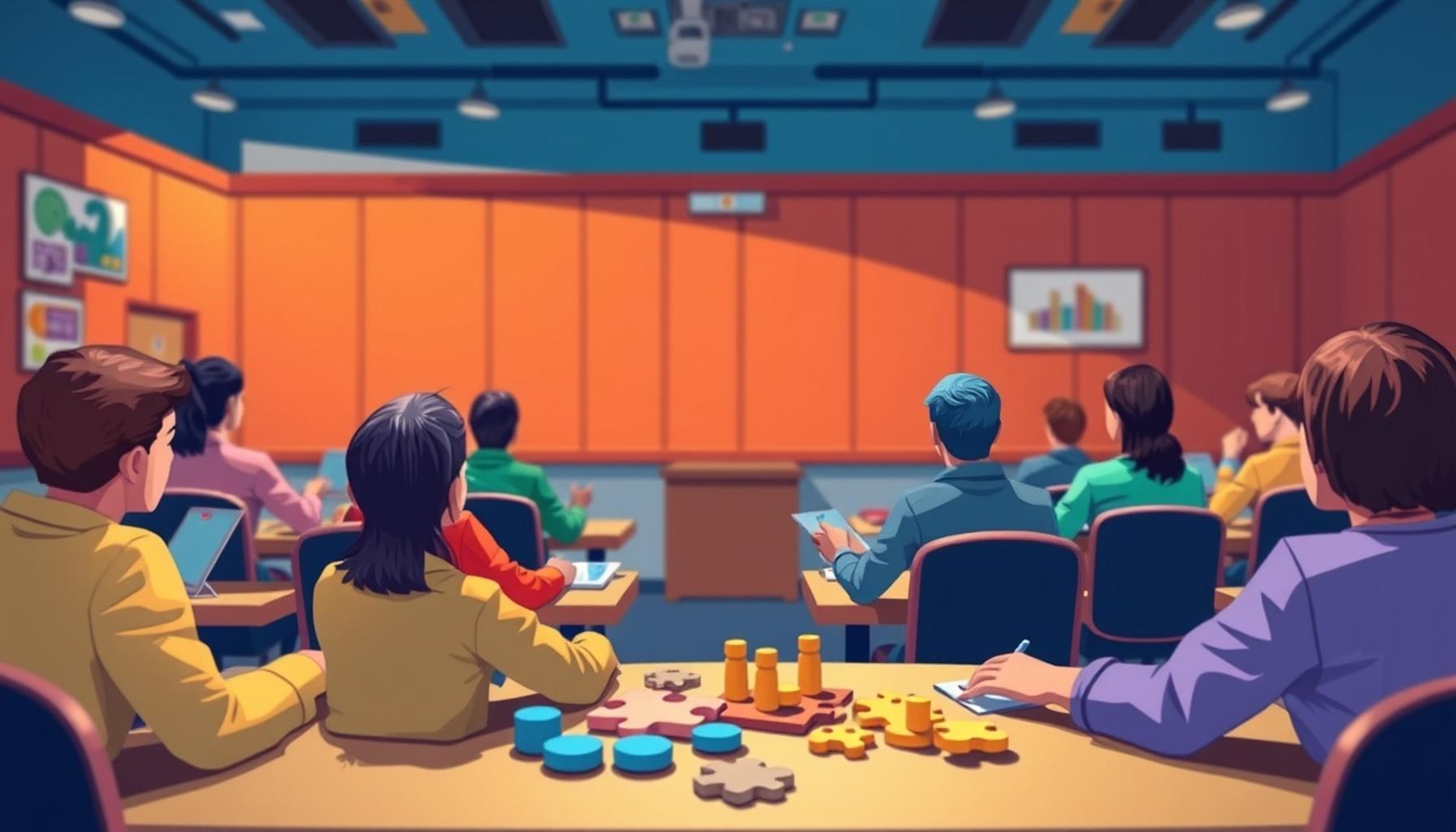
Creative Challenges in Escape Games: Overcoming Obstacles with Innovation and Teamwork

Unlocking the Secrets of Escape Games
Escape games have surged in popularity across the United States, offering a unique blend of excitement and intellectual stimulation. Players are drawn into immersive environments, where they must solve complex puzzles and navigate challenges, all while racing against the clock. But what makes these experiences truly captivating are the creative challenges they present.
The Essence of Teamwork
At the heart of every escape game lies a critical element: teamwork. Participants must rely on each other’s skills and communication to:
- Identify clues
- Strategize solutions
- Coordinate actions efficiently
The synergy in a team not only enhances the game experience but also highlights the importance of collaboration under pressure. For example, in a themed escape room designed as a haunted mansion, one player may discover a cryptic message while another can locate a hidden object that reveals more about the room’s story. This cooperation not only drives the narrative but fosters a sense of camaraderie, as teams bond over their shared successes and failures during the countdown. The challenge of escaping within a set timeframe intensifies the thrill and often leads to memorable moments of triumph.
Innovation in Problem-Solving
Escape games often introduce players to innovative puzzles that push the boundaries of traditional gameplay. These puzzles can incorporate:
- Technological advancements like augmented reality
- Physical challenges requiring dexterity
- Abstract thinking and lateral problem-solving
For instance, some escape games now integrate virtual elements, allowing players to interact with digital clues through their smartphones or even experience holographic challenges. This modernization appeals to a tech-savvy audience eager for new experiences. Furthermore, puzzles may range from deciphering codes with cipher wheels to solving riddles that require teamwork and communication to crack open a locked box. Such elements encourage players to think outside the box and develop creative solutions, fostering a spirit of ingenuity and adaptation in various scenarios.
As the popularity of escape games continues to grow, understanding their unique challenges gives players the tools to enhance their experiences. By embracing teamwork and innovative problem-solving, participants uncover more than just the secrets of the room—they often discover strengths within themselves and their teammates they never knew existed. Dive in deeper to explore how these dynamic adventures reshape teamwork, promote innovation, and provide an exhilarating escape from the routine of everyday life.
Breaking Barriers Through Creativity
Within the captivating world of escape games, players often encounter creative challenges that require not only an understanding of the puzzles before them but also a deep well of imagination and resourcefulness. These obstacles, designed to test both individual skills and collaborative efforts, serve as a reminder that innovation often emerges from the most difficult circumstances. Each room, with its distinct theme—whether set in a futuristic laboratory or a mysterious ancient tomb—is not just a set of challenges, but a canvas for creativity.
Engaging Diverse Skill Sets
One of the most compelling aspects of escape games is their ability to engage a wide range of skills from players. Each puzzle or challenge within a room often requires a unique approach, appealing to various talents or interests. For effective problem-solving, participants frequently find themselves drawing on diverse skill sets, which can include:
- Logical reasoning for deciphering codes and patterns
- Creative thinking for coming up with unorthodox solutions
- Physical dexterity in completing tasks that involve manipulation of objects
For instance, a challenge may require players to use their physical abilities to fit through a constrained space or to arrange complicated objects in a specific order to unlock the next clue. This multifaceted approach not only promotes inclusivity within the team but also encourages team members to share their perspectives, leading to a richer gaming experience.
Dynamic Environment Adaptation
Another significant challenge players face in escape games is adapting to the dynamically changing environment of the game. Many escape rooms employ elements that alter the situation mid-game, perhaps by introducing unexpected new clues or shifting the arrangement of objects. This creates an atmosphere where players must not only rely on their initial strategy but should be ready to think on their feet. This experience teaches valuable lessons in flexibility and adaptability—skills that are equally useful in real-life scenarios.
Additionally, certain escape games enhance engagement through elaborate storytelling, requiring players to internalize narratives that influence their decision-making process. This narrative twist adds an emotional layer, pushing participants to immerse themselves fully into the storyline, resulting in deeper engagement with the challenges faced.
As teams come together to solve puzzles, they learn to leverage their collective strengths and unique perspectives. This process of collaboration fosters innovation and often leads to surprising breakthroughs that propel the team closer to their goal: escape. The creative challenges encountered are not just hurdles but also opportunities for growth, enhancing not only individual capabilities but also the overall dynamic of the team.
In essence, escape games exemplify a microcosm of challenges and triumphs that reflect our real-world experiences. They epitomize the idea that with innovation and teamwork, seemingly insurmountable obstacles can be overcome, revealing the potential each participant holds both inside and outside the escape room.
Innovation in Puzzle Design
Innovation plays a crucial role in the realm of escape games, where creative challenge design is essential to enhancing player engagement. Escape rooms often incorporate a diverse array of puzzles that require not just logic, but also teamwork and communication skills. Designers continuously strive to push boundaries, introducing unique mechanics and unexpected twists that challenge participants’ conventional thinking. This dynamic fosters an environment where players must brainstorm collectively, pooling their distinct skill sets to tackle multifaceted problems.
The Role of Team Dynamics
The interaction among team members significantly influences the escape game experience. As players navigate through various challenges, strong team dynamics can lead to innovative solutions and effective time management. Each player’s contribution, whether it be analytical thinking, creativity, or hands-on skills, is paramount. Understanding and leveraging each talent can turn obstacles into achievements, illustrating the importance of collaboration in overcoming hurdles. With limited time at stake, the pressure naturally fosters camaraderie and enhances communication strategies, paving the way for unforgettable shared experiences in the pursuit of victory.
Case Studies of Successful Escape Rooms
Examining successful escape rooms can provide insightful lessons on innovative design and teamwork. For example, facilities that use technology like augmented reality not only enhance visual engagement but also challenge players to adapt quickly. Additionally, rooms designed around intricate narratives allow participants to immerse themselves deeper, making every puzzle a part of a larger story. Such strategy not only cements emotional connections among players, but also builds resilience as they face and overcome complex challenges together. The persistent evolution of escape games exemplifies how creativity and teamwork intertwine to forge memorable experiences that transcend mere entertainment.
| Category | Description |
|---|---|
| Puzzle Diversity | Escape games leverage varied puzzles promoting creative thinking. |
| Team Cohesion | Working together fosters deeper connections and problem-solving skills. |
Future Trends in Escape Games
As escape games continue to gain popularity, a noticeable trend has emerged towards integrating immersive technologies and storytelling techniques that captivate participants. The potential for virtual reality elements and themed experiences based on popular cultural phenomena encourages players to think outside the box and develop their problem-solving capabilities. This shift not only brings new challenges to the forefront but also motivates teams to innovate collaboratively, ensuring that the escape room experience remains both fresh and exhilarating. The journey of overcoming obstacles in this unique format exemplifies how creativity and innovation are key in defining future possibilities while maximizing player engagement.
Fostering Creativity Through Collaborative Problem-Solving
One of the most fascinating aspects of escape games lies in their inherent requirement for collaborative problem-solving. As participants navigate through various challenges, they must constantly communicate and build upon each other’s ideas. This process not only requires open dialogue but also cultivates a culture where creativity can flourish. Each puzzle serves as a reminder that the collective intelligence of a team often exceeds that of any individual, leading to innovative solutions that may not have been reached in isolation.
Encouraging Diverse Perspectives
In escape games, each player brings a unique perspective shaped by their experiences, knowledge, and strengths. This diversity is crucial as it leads to a more rounded approach to problem-solving. For example, one player might be adept at spotting patterns, while another could excel in lateral thinking. The combination of these diverse perspectives can result in unexpected solutions to seemingly insurmountable obstacles.
Take, for instance, a scenario where a puzzle involves deciphering a complex code. A player with a background in mathematics may quickly grasp numerical patterns, while another with artistic flair may suggest visualizing the information differently to reveal hidden clues. The synergy formed through these combined efforts not only drives immediate progress but also enhances the overall experience, making each team member feel valued and engaged.
Enhancing Communication Skills
Successful navigation of the creative challenges in escape games amplifies vital communication skills among players. Participants learn to express their thoughts succinctly, actively listen to others, and collaboratively integrate ideas into cohesive strategies. This level of interpersonal engagement can be transformative. Notably, effective communication is often cited as one of the most essential skills in a professional setting, making escape games an excellent training ground for developing these abilities outside typical work environments.
Moreover, many escape room designers engineer situations that necessitate clear communication. For instance, certain puzzles may require players to split into smaller groups and tackle tasks simultaneously, fostering a sense of urgency and reinforcing the need for precise conveyance of information. The pressure created by time constraints can lead to exhilarating moments where creativity must race against the clock, honing the ability to communicate under stress—a skill invaluable in high-pressure work scenarios.
Transformative Learning and Growth
The challenges encountered in escape games often transcend the mere objective of solving puzzles. They serve as transformative experiences where players can discover new strengths and capabilities. Players learn to trust their instincts, challenge their boundaries, and explore new avenues of thinking. By iterating upon ideas and revisiting failed attempts, teams gain confidence and develop resilience, proving that overcoming obstacles often leads to personal growth.
Furthermore, findings from various studies have indicated that participation in team-based activities like escape games can boost emotional intelligence, enhance social connections, and improve overall well-being. These factors contribute to a more profound understanding of one another and solidify group dynamics, fostering a sense of belonging and camaraderie. It becomes evident that the outcomes of engaging in creative problem-solving during escape games extend far beyond the excitement of achieving a successful escape; they provide a platform for invaluable life lessons and enhanced teamwork.
Conclusion: Unleashing Potential Through Creative Challenges
As we’ve explored, creative challenges in escape games provide more than mere entertainment—they serve as vital training grounds for innovative thinking and teamwork. By fostering an environment where players engage in collaborative problem-solving, these games highlight the power of diverse perspectives. When teams come together, the potential for unique solutions is amplified, leading to creativity that transcends the limits of individual thought.
Moreover, the necessity for enhanced communication skills during the frantic pace of an escape game can translate into profound benefits in real-world scenarios. Players learn to convey ideas clearly, listen attentively, and synthesize different viewpoints—all critical skills in today’s fast-paced work environments. This ability to communicate under pressure not only cultivates a sense of camaraderie but also improves overall team dynamics.
Lastly, escape games challenge participants to push their boundaries and adapt their strategies, thereby facilitating transformative learning experiences. As teams face and overcome obstacles, they build resilience and confidence that can foster personal growth far beyond the confines of the game room. These newfound skills encourage deeper connections and contribute to overall well-being, showing that the journey through a maze of puzzles is as valuable as the ultimate goal of escape.
In conclusion, engaging in escape games can be a powerful catalyst for not only sharpening mental acuity and improving teamwork but also for discovering the hidden potential within ourselves and our groups. As interest in escape rooms continues to flourish across the United States, it stands to reason that organizations and individuals alike should explore how these creative challenges can bolster collaboration and innovation in their own endeavors.