Memory Tasks as Social Activities: Strengthening Bonds Through Collaborative Games
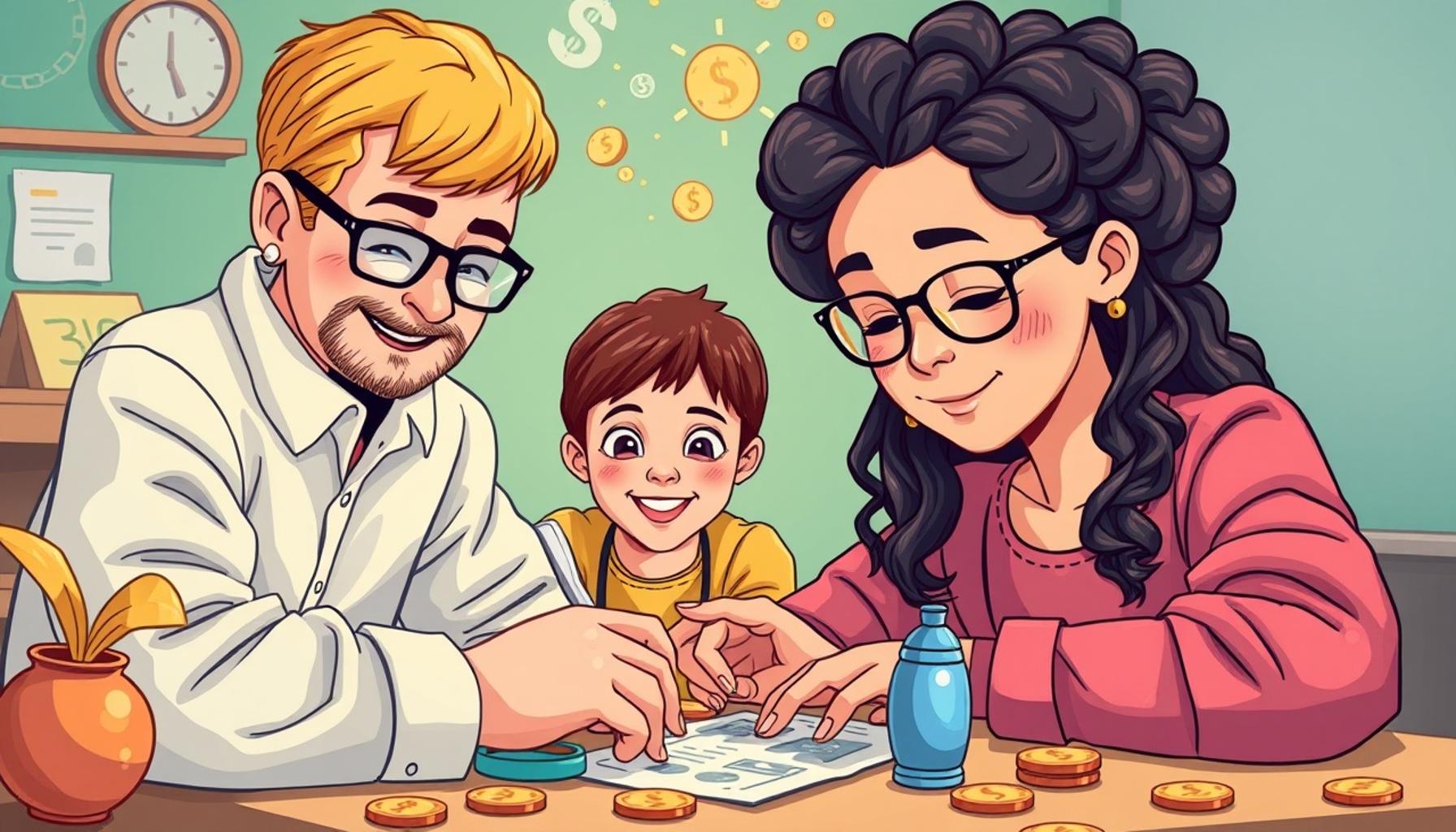
The Impact of Collaborative Games on Cognitive and Social Skills
In today’s rapidly evolving digital environment, the importance of forming and maintaining connections cannot be overstated. Engaging in memory tasks as social activities offers a creative way to not only stimulate cognitive functions but also to deepen interpersonal relationships.
How Collaborative Games Enhance Cognitive Abilities
Participating in collaborative memory games can help individuals enhance their memory and recall abilities. Such games often challenge players to remember sequences of colors, numbers, or even faces, which can serve to sharpen these critical mental faculties. For instance, a classic game like “Simon Says” can be utilized in various settings—from classrooms to family gatherings—as it requires players to remember and replicate patterns.
Fostering Teamwork and Communication Skills
Within a team environment, memory games necessitate effective communication and collaboration, making them valuable for both personal and professional contexts. Games such as “Pictionary” or memory card match not only require players to convey ideas clearly but also encourage active listening and collective problem-solving. As participants strategize on the best approaches to win, they enhance their ability to work as a cohesive unit.
Building Stronger Social Connections
The relational aspect of these games is significant; they foster stronger social bonds among friends and family. Studies suggest that laughter and shared experiences during gameplay can lead to increased emotional connections. For instance, families who engage in board games regularly report higher levels of family cohesion and satisfaction. Moreover, with the rise of online platforms, collaborative memory games can now connect people across great distances, allowing friends to maintain their relationships regardless of geographical barriers.
Expanding Benefits Beyond the Game
The fun of memory games transcends mere entertainment. Regular engagement in these activities can lead to improved mental agility and a notable decrease in feelings of isolation. In fact, individuals who participate in these games often find themselves more connected to others, reducing feelings of loneliness and fostering a sense of belonging.
Incorporating Collaborative Games into Daily Life
Whether it’s through a classic board game night at home or interactive games at community events, the benefits of including these activities in our lives are numerous. Incorporating collaborative games into regular family traditions or taking part in local game nights can significantly boost both cognitive health and social well-being. As we explore various types of collaborative memory games, their psychological advantages become increasingly apparent, offering a fulfilling way to enrich our lives through playful engagement.
In conclusion, strengthening relationships through the joy of play is not just a concept but a reality that can be embraced in various ways. The next time you gather with family or friends, consider incorporating these collaborative memory games to pave the way for deeper connections and improved mental health.
Enhancing Memory Skills through Group Engagement
The interplay between memory tasks and social engagement is a dynamic that has garnered interest in both psychological and educational spheres. Research indicates that engaging in memory tasks in a collaborative setting can significantly enrich both cognitive functions and social experiences. When people participate in games that require memory, they do so not solely for the challenge but for the social interaction that accompanies the gameplay.
The Science behind Memory and Social Interaction
Exploring the psychological foundations of memory tasks as social activities reveals fascinating insights. Neuroscientific studies show that the brain is wired for social interaction. When individuals engage in group memory games, such as “Celebrity” or “The Alphabet Game,” they stimulate brain regions associated with memory processing as well as those linked to social bonding. This dual activation strengthens neural pathways, which can improve both memory and social skills over time.
Popular Memory Games for Social Interaction
Selecting the right games can enhance social bonds and cognitive abilities. Here are some popular options that can easily be integrated into various social settings:
- Memory Card Game: A classic game that requires players to match pairs of cards, it not only sharpens memory but also encourages conversation and playful competition.
- Charades: This game dictates that players act out a word or phrase, which enhances recall while building team spirit.
- Taboo: Players must describe a word without using certain forbidden terms, promoting quick thinking and effective communication among team members.
- Group Storytelling: Participants take turns adding a line to a story. This enhances memory through recall while fostering creativity and collaboration.
The Role of Technology in Collaborative Memory Tasks
As technology continues to reshape social interactions, mobile applications and online platforms are being developed to facilitate memory games. Websites like Kahoot! and apps like QuizUp allow players to connect virtually while engaging in challenging memory tasks. Such tools exemplify how collaborative memory games can transcend physical barriers, nurturing friendships and family ties even across distances. This trend is particularly relevant in a post-pandemic world, where remote interactions have surged.
Growth through Shared Experiences
Memorable moments forged during collaborative memory games have lasting effects on relationships. The communal struggle to remember, laugh, and win creates a shared history that strengthens emotional ties. These activities become more than just games; they act as catalysts for deeper conversations and shared narratives. By dedicating time to engage in these tasks together, individuals find opportunities to bond and connect in meaningful ways.
| Advantage | Description |
|---|---|
| Enhanced Cognitive Skills | Engaging in memory tasks improves memory retention and critical thinking. |
| Social Connectivity | Collaborative games strengthen relationships and build team spirit among participants. |
Exploring the theme of Memory Tasks as Social Activities opens a fascinating window into how games can foster both cognitive development and personal connections. One of the key advantages of these interactive experiences is their ability to enhance cognitive skills. Memory-focused games challenge players to recall information, make split-second decisions, and engage in strategizing, all of which stimulate brain functions and can lead to improved memory retention.In addition to cognitive benefits, these activities also serve as a powerful means of fostering social connectivity. When individuals work together in a game setting, they form bonds through shared challenges and successes. This dynamic not only cultivates teamwork but also helps to break down barriers, encouraging open communication and collaboration, which can be especially beneficial in diverse groups or communities. By participating in such engaging social activities, individuals can not just enrich their mental abilities, but also strengthen relationships that extend beyond the game. These aspects make exploring memory tasks as social activities an essential topic in today’s interconnected world.
The Impact of Collaborative Games on Mental Health
In addition to enhancing memory skills and social bonds, collaborative memory tasks also play a significant role in promoting mental health and emotional well-being. Engaging in group activities foster a sense of belonging and reduce feelings of loneliness or isolation. Individuals who regularly participate in social games report feeling more connected, which is particularly vital in a society that has become increasingly digital and, at times, disconnected.
Boosting Mood and Reducing Anxiety
Playing memory games in a group not only stimulates cognitive functions but also elevates mood levels. According to a study published in the journal Psychological Science, interactive games can trigger the release of endorphins, the body’s natural feel-good chemicals, which can lead to greater feelings of joy and reduced stress. By engaging with others, individuals may find relief from everyday anxieties and worries.
Creating Opportunities for Learning and Development
Collaborative memory tasks provide a platform for learning, especially when mixed generations are involved. For instance, family gatherings that involve memory games can become invaluable teaching moments where older generations pass down stories and knowledge to younger ones. This can serve to reinforce family history and instill a sense of identity and belonging. Intergenerational games not only enhance cognitive skills but also promote empathy and understanding among different age groups, strengthening both familial and social ties.
Expanding Horizons Through Diverse Interactions
The collaborative nature of memory tasks can serve as a bridge among diverse social groups. People from different backgrounds, cultures, and interests come together in a game setting where the goal is not just to remember facts but also to engage, communicate, and collaborate. For example, trivia night at local bars or clubs often attracts individuals who may not have otherwise met, fostering not only friendships but also a greater understanding of cultural nuances and perspectives. Engaging in social games opens up opportunities for players to expand their social networks and embrace diversity.
The Universality of Memory Games
Memory games are culturally pervasive, transcending geographical boundaries. From Asian tile-matching games to popular Western board games, the basic principles of engaging memory tasks exist across societies, reflecting universal themes of cooperation and learning. Such inclusivity allows for a vast array of tools that can be harnessed to strengthen social connections. Groups can easily tailor games to fit specific cultural or community interests, making memory games a versatile approach to bonding.
Facilitating Team Building in Professional Settings
The principles of collaborative memory tasks can also be effectively utilized in professional environments. Team-building exercises that involve memory challenges not only sharpen cognitive skills but also cement relationships among coworkers. Organizations might adopt innovative training methods that include memory-based activities, enabling employees to strengthen their collaborative abilities in a fun, engaging manner. This approach cultivates cohesion, enhances communication, and ultimately improves workplace morale.
As the allure of memory tasks as social activities continues to unfold, the implications for mental health, learning opportunities, and relationship building are significant. In a time where the speed of life can often overwhelm, slowing down to engage in collaborative memory games offers invaluable moments of connection and joy.
Conclusion: The Power of Memory Tasks in Fostering Social Connections
As we have explored throughout this article, memory tasks as social activities serve as a vital tool for strengthening bonds among individuals across various settings. By engaging in collaborative games, participants not only enhance their cognitive abilities but also cultivate meaningful relationships that transcend age, culture, and background. The mental health benefits gained from these interactions cannot be overstated; they help alleviate feelings of loneliness and anxiety while promoting an overall sense of well-being.
The adaptability of memory games makes them ideal for diverse gatherings, whether it be family reunions, community events, or professional team-building exercises. The universality of these games invites everyone to participate, creating an inclusive environment where learning and sharing occur naturally. Moreover, through intergenerational interactions, players can share stories and knowledge, enriching their experiences and deepening family ties.
As we navigate an increasingly fast-paced and digital world, the importance of slow, intentional engagement through social activities becomes even more profound. The next time you find yourself looking for a way to connect with others, consider organizing a memory-based game. Not only will you stimulate your mind, but you will also forge connections that can lead to lasting friendships and a stronger sense of community. In essence, memory tasks are not just games—they are pathways to greater emotional health, understanding, and unity in an ever-changing landscape.