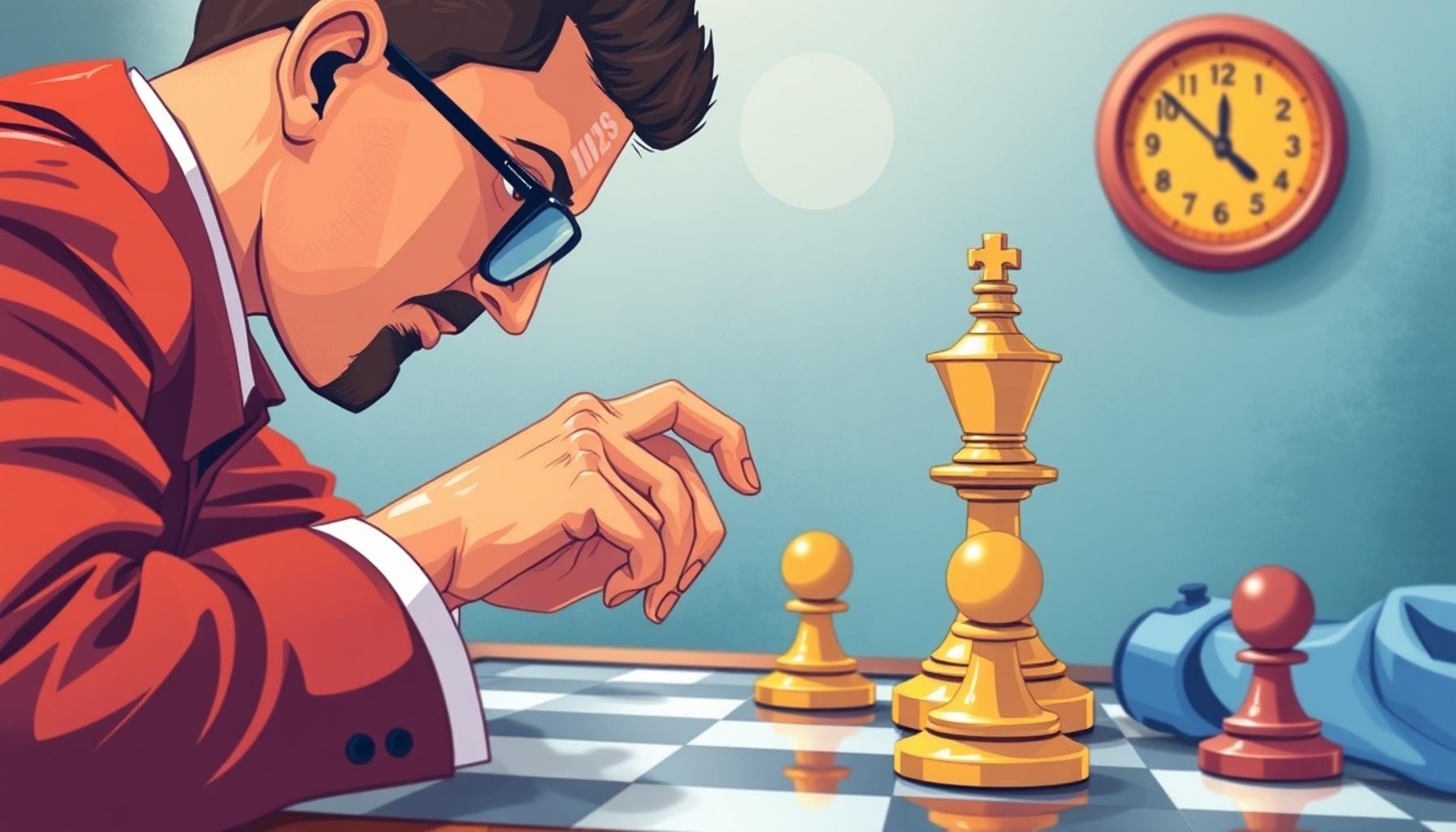
Resilience Strategies: Learning from Puzzles and Survival Games
The Importance of Adaptability
In today’s fast-paced world, the ability to adapt and overcome challenges is more crucial than ever. A significant aspect of thriving in this environment is developing a strong sense of resilience. Surprisingly, resilience strategies can be found in the most unexpected places, such as puzzles and survival games. These engaging activities offer more than mere entertainment; they serve as valuable tools for enhancing our capacity to navigate life’s difficulties.
Consider the psychological benefits these games provide: they cultivate critical life skills that can help individuals foster resilience in daily life.
- Critical Thinking: In puzzles, players must analyze situations, identify patterns, and devise strategies to succeed. For instance, a complex Sudoku challenge demands logical reasoning and foresight. Engaging in such mental exercises sharpens overall cognitive function and encourages a proactive approach to problem-solving.
- Teamwork: Many survival games, like “Among Us” or “Minecraft,” require collaboration with fellow players to achieve common goals. This collaborative aspect enhances social skills, teaching players how to communicate effectively, delegate tasks, and build strong rapport with others, all of which are essential in both personal and professional settings.
- Stress Management: Puzzles serve as a cognitive refuge that can help reduce anxiety. The immersion in these activities allows players to temporarily escape real-world pressures, offering them a mental break and enhancing their ability to cope with stressors outside of gaming.
A striking statistic from a study by the Entertainment Software Association highlights the prevalence of gaming in American households—approximately 75% of households engage with video games regularly. This widespread participation fosters unique opportunities for personal growth. When players immerse themselves in the challenges these games present, they develop a toolkit for handling real-life obstacles, learning resilience in a controlled and enjoyable environment.
This article will delve deeper into how puzzles and survival games can foster resilience. We will explore:
- The transformative power of these games on mental health and their role in cognitive development.
- Real-life examples of individuals who have gained resilience through dedicated gaming experiences.
- Practical strategies for applying the lessons learned in gaming to our everyday lives.
Join us on this journey to uncover the transformative effects of play. Embracing the playful side of life not only enhances our enjoyment but also enriches our capacity to bounce back from challenges. Whether through the solitary engagement of puzzles or the collaborative effort found in survival games, we can discover innovative ways to cultivate resilience in an increasingly complex world.
Building Mental Agility through Puzzles
Puzzles, in their numerous forms, have long been a staple of entertainment and mental exercise. They challenge our thought processes, pushing us to find solutions through critical analysis and innovative thinking. In engaging with these activities, players unknowingly sharpen their mental agility—a core component of resilience. For example, solving a jigsaw puzzle requires not only patience but also the ability to visualize the overarching picture, breaking it down into smaller, manageable pieces. This metaphor mirrors the resilience needed to tackle real-life challenges, as individuals learn to approach large problems piece by piece.
Moreover, puzzles like crosswords or logic games promote pattern recognition. When players begin to see connections between clues or numbers, they develop a mindset that allows them to identify solutions more effectively in real-life scenarios. Research indicates that regular puzzle engagement can enhance cognitive functions, such as memory and problem-solving abilities, thus equipping individuals with tools that help them navigate adversity. A report by the American Psychological Association reveals that cognitive exercises like these can lead to improved mental flexibility, fostering an adaptable mindset—an essential aspect of building resilience.
The Collaborative Dynamics of Survival Games
Unlike solitary puzzle-solving, survival games bring a different dimension to the concept of resilience through their emphasis on teamwork and cooperation. Titles like “Fortnite” and “Rust” immerse players in environments where collaborative survival is paramount. The acute need for collaboration teaches players how to work under pressure while harmonizing diverse skill sets to achieve a common goal.
This cooperative nature extends far beyond the virtual world. As players engage in survival games, they learn critical social skills such as effective communication, conflict resolution, and trust-building—elements that are essential in both personal and professional contexts. A study from the International Journal of Human-Computer Interaction highlights that players who engage in teamwork within games report enhanced communication skills and an increased ability to work with others towards shared objectives.
The Emotional Resilience Factor
Emotional resilience, or the ability to bounce back from life’s setbacks, is another crucial area where the interplay of puzzles and survival games can be observed. Players often face challenges and failures within these games, confronting defeat as an integral part of the experience. This direct exposure to setbacks allows individuals to practice coping strategies in a low-stakes environment, fostering the psychological fortitude needed when faced with real-world challenges.
- Overcoming Frustration: When a puzzle remains unsolved or a game mission fails, participants learn patience. They must rethink their strategies or try alternative approaches, which promotes a mindset that embraces trial and error.
- Building Confidence: Success in puzzles and survival games reinforces self-efficacy. Each solved puzzle or game victory can enhance self-esteem, reinforcing the belief that they can overcome obstacles.
- Developing a Growth Mindset: Engaging in these activities fosters a culture of learning from mistakes, encouraging participants to view challenges as opportunities for growth rather than insurmountable barriers.
By shifting our focus towards the lessons learned in puzzles and survival games, we can uncover techniques to enhance our mental resilience in everyday life. Through practice and exploration in these realms, individuals stand to gain not just enjoyment, but essential skills that holistically enhance their adaptability to life’s ever-changing landscape.
| Advantages | Insights from Gameplay |
|---|---|
| Enhanced Problem-Solving | Players develop strong analytical skills while navigating complex puzzles, allowing them to tackle real-world challenges effectively. |
| Emotional Resilience | Survival games instill a sense of adaptability, teaching players to manage their emotions and stress in adverse situations, which is critical for mental health. |
The integration of puzzle-solving and survival mechanics in gaming offers a rich tapestry of learning experiences. Through engaging with these challenges, players encounter situations where they must utilize both logic and creativity. The strategic thinking cultivated in these playful scenarios not only sharpens cognitive abilities but also translates into improved decision-making skills in everyday life. These strategies are particularly relevant in today’s fast-paced world, where adaptability and resourcefulness are invaluable.Moreover, emotional resilience is another crucial takeaway from these gaming formats. Players are often placed in high-pressure environments, necessitating self-regulation and perseverance even when facing failure or unexpected setbacks. By exposing individuals to simulated scenarios that mirror real-world challenges, these games create a safe space to experiment, fail, and learn—ultimately preparing them better for genuine adversities in life. Exploring how these lessons apply outside the gaming world can pave the way for innovative training methods in various professional fields, providing invaluable frameworks for teamwork and leadership development.
Adapting Strategies for Real-Life Challenges
The lessons drawn from puzzles and survival games extend far beyond the confines of amusement; they provide a framework for adapting to real-life challenges. Just as players must assess situations, often evaluating risks and rewards, individuals can apply similar strategies to navigate their daily lives. The ability to quickly analyze a problem and determine the best course of action—often referred to as strategic thinking—is considerably enhanced by engaging in these cognitive exercises.
For instance, in survival games, players are frequently placed in unforeseen circumstances that demand immediate responsiveness. This characteristic mirrors many real-life situations where unexpected changes require a person to pivot rapidly. A study from the Harvard Business Review found that individuals with experience in strategic gaming demonstrate superior decision-making skills under pressure. They are more adept at considering multiple variables, anticipating outcomes, and adjusting their strategies accordingly, which are critical components in both professional and personal contexts.
The Role of Concentration and Focus
Another significant aspect of developing resilience through puzzles and survival games lies in the necessity for concentration. Both activities require a high degree of focus to solve complex problems or outwit opponents. This intense concentration enhances an individual’s ability to manage distractions. For instance, a MIT research report highlights that regular engagement in games that require attention to detail can lead to improved focus in other aspects of life.
When individuals practice concentration in puzzles, they often find parallels in the workplace or academia. Tasks that require sustained attention can feel less daunting, enabling them to tackle projects without becoming overwhelmed. Moreover, this can mitigate feelings of burnout, as players accustomed to mental challenges are often better equipped to handle demanding work schedules without compromising their mental health.
The Importance of Goal Setting
Puzzles and survival games inherently incorporate the concept of goal setting. Each level completed or puzzle solved represents a milestone, reinforcing the importance of defining clear objectives. This principle is key to building resilience, as achieving goals fosters a sense of accomplishment and purpose.
- Short-term vs Long-term Goals: Just as puzzles can have immediate goals (like finishing a section) or overarching ones (completing the entire image), setting both short-term and long-term goals in life can empower individuals to progress steadily toward their objectives.
- Turning Setbacks into Learning Opportunities: Failure in a game can often highlight the need to re-evaluate goals or strategies. This perspective encourages a mindset where setbacks are seen not as endpoints but as opportunities for recalibration and growth.
Furthermore, the act of mapping out a strategy in games, identifying the resources needed, and creating tactical plans helps reinforce the significance of preparation in achieving success. Players learn that resource allocation and planning are vital not only in gaming but also in managing their daily responsibilities, projects, or personal challenges.
In essence, the blend of cognitive and interpersonal skills honed through puzzle-solving and survival games creates a solid foundation for resilience. As individuals embrace these strategies, they are better equipped to manage stress, overcome challenges, and maintain a focus on goals, all while cultivating a mindset of adaptability that mirrors the ever-changing demands of life.
Conclusion
The exploration of resilience strategies through the lens of puzzles and survival games reveals a wealth of knowledge applicable to our everyday lives. From honing strategic thinking skills to enhancing focus and the ability to set and achieve goals, engaging with these mental challenges offers valuable lessons that transcend the gaming world. As we have seen, these activities encourage individuals to face unforeseen obstacles with confidence and adaptability, crucial traits in our rapidly changing environments.
Moreover, the practice of turning setbacks into learning opportunities cultivates a growth mindset that can empower people to embrace challenges rather than shy away from them. This proactive approach not only contributes to personal development but also paves the way for more resilient communities and workplaces. As we navigate the complexities of life—from personal relationships to career advancements—the lessons learned from puzzles and survival games can serve as a guiding framework, enabling us to craft effective solutions amid uncertainty.
In conclusion, by integrating the cognitive and emotional skills trained through these immersive experiences, individuals can enhance their capability to cope with stress, set meaningful objectives, and ultimately, foster a sense of purpose. The journey towards resilience is ongoing, and carrying forward the strategies gleaned from gaming can significantly enrich our personal and professional lives. As we continue to interact with these engaging forms of entertainment, let us remember to apply the resilience skills they nurture, ensuring we remain prepared to tackle whatever challenges come our way.