The Art of the Game: How Strategic Thinking Can Improve Your Puzzle-Solving Skills
The Importance of Strategic Thinking
In today’s fast-paced world, strategic thinking has become more crucial than ever. Whether you’re navigating a complex work project or piecing together a challenging puzzle, the ability to think critically can significantly enhance your problem-solving skills. It is this kind of thinking that separates successful individuals and organizations from those who struggle to keep up with the demands of modern life.
Engaging in puzzles not only occupies your mind during leisure time but also offers a unique opportunity to sharpen your mental faculties. Each puzzle presents a challenge that requires you to engage with its components in a thoughtful manner. In this way, puzzles serve as microcosms for real-world problem solving. With every twist and turn, you can:
- Boost Cognitive Abilities: Research has shown that regular puzzle-solving can enhance cognitive functions by improving memory and attention span. Activities like Sudoku or crosswords have been linked to increased brain plasticity, which helps in maintaining mental agility as we age.
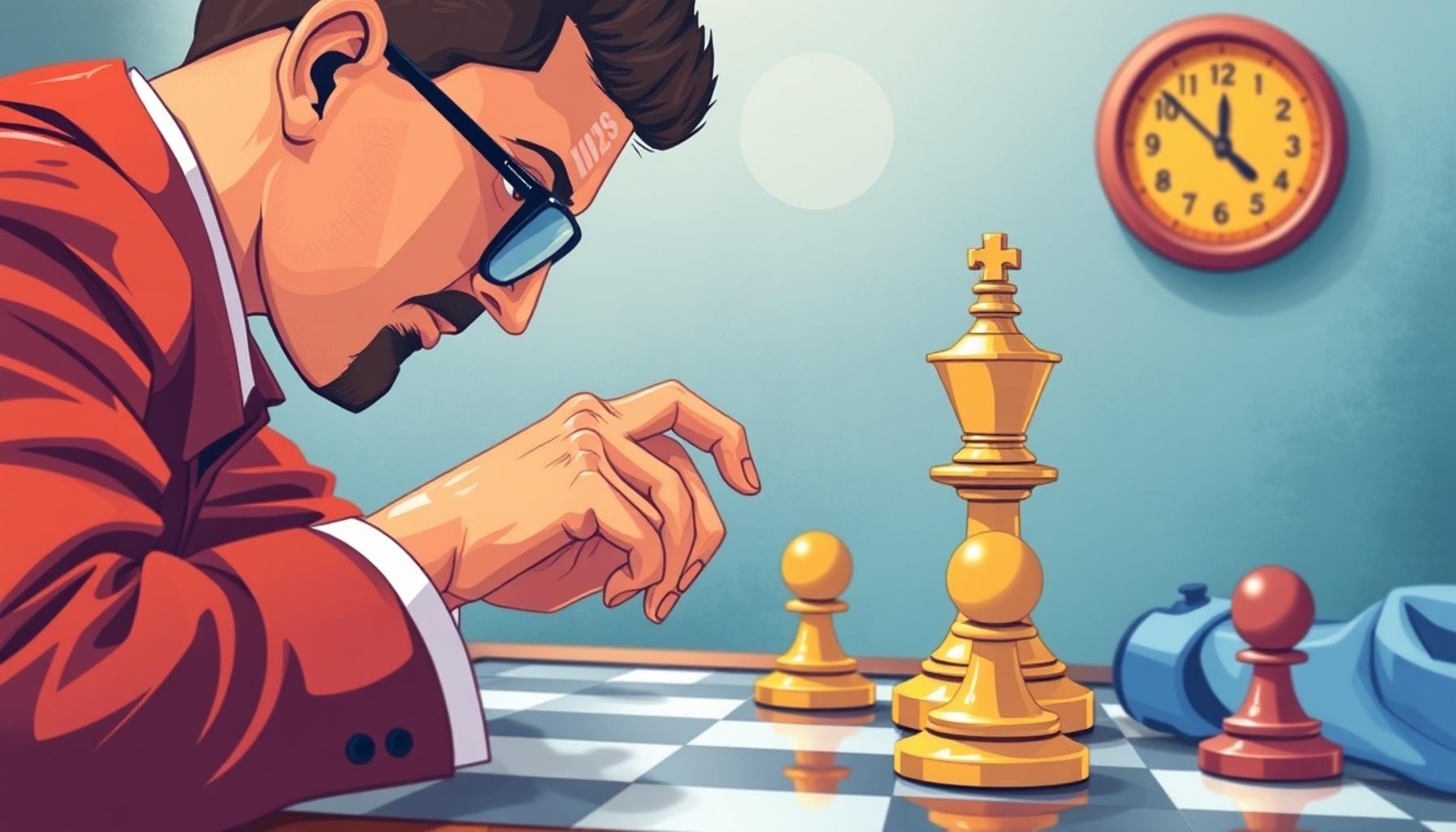
- Enhance Logical Reasoning: Solving puzzles demands acute logical reasoning skills. For example, strategy games such as chess require players to predict their opponent’s moves, necessitating analysis and deduction to achieve victory.
- Develop Patience and Perseverance: Completing intricate puzzles, like jigsaw puzzles or complex brainteasers, cultivates resilience and patience, valuable traits in both personal and professional realms. This persistence is crucial when faced with long-term projects that seem insurmountable at the outset.
Furthermore, research indicates that individuals who practice strategic thinking in games experience noticeable improvement in both mental clarity and decision-making skills. Engaging with puzzles fosters an environment where players often find themselves considering multiple approaches to arrive at the correct solution. This flexibility in thinking is essential not only for personal growth but also for adapting to the diverse challenges faced in the workplace.
So, how do you harness this art of strategic thinking? One effective way is by immersing yourself in various forms of puzzles, from logic puzzles to mathematical challenges. By understanding the fundamental elements of these strategic games, you can refine your skills and gain an edge. You might also consider joining puzzle clubs or taking part in competitive puzzle-solving events to further accelerate your learning and application of strategic thinking in real-world scenarios.
In conclusion, as you explore the intellectual landscape that puzzles offer, you’ll discover more than just a way to pass the time. You will uncover techniques and strategies that can empower you to tackle life’s challenges with confidence and creativity.
Unlocking the Power of Strategic Thinking
Strategic thinking is not merely an intellectual exercise; it’s an essential skill that can be cultivated through engaging with various puzzles and games. When you immerse yourself in the world of puzzles, whether it’s a 1,000-piece jigsaw or a complex crossword, you actively train your brain to look beyond the surface and devise effective strategies for resolving challenges. This proactive approach can lead to remarkable improvements in both problem-solving abilities and cognitive skills.
At its core, strategic thinking requires a blend of analysis, creativity, and foresight. To become a successful puzzle-solver, one must develop the following critical elements:
- Pattern Recognition: Successfully solving puzzles often hinges on the ability to identify patterns and relationships between various components. This skill is particularly crucial in logic puzzles, where recognizing sequences or connections quickly can lead to faster and more accurate solutions.
- Resource Management: In many strategy games like chess or even resource management puzzles, players must utilize their limited resources wisely. This involves assessing strengths and weaknesses, as well as predicting outcomes based on available options. Learning to manage your resources effectively can translate into better decision-making in everyday life.
- Scenario Simulation: Strategic thinkers often excel at envisioning multiple scenarios and potential outcomes for each decision made. By playing puzzles that require forward-thinking and simulation of different outcomes, you can become adept at analyzing risks and benefits, an invaluable skill in business and personal interactions.
- Collaboration and Teamwork: Many puzzle activities encourage collaboration, whether in competitive tournaments or cooperative problem-solving sessions. Working with others fosters effective communication and enhances one’s ability to strategize as a team, leading to a deeper understanding of perspectives.
Additionally, honing strategic thinking through puzzles is not just a solitary endeavor. Interactive puzzles, such as escape rooms or online multiplayer games, promote collaboration and teamwork, highlighting the social components of strategic thinking. Engaging with others in these environments can lead to dynamic discussions and a sharing of diverse strategies, enriching the learning experience.
Moreover, the intrinsic challenges of puzzles motivate players to develop their thinking skills. With each puzzle solved, individuals gain confidence in their analytical abilities and become more willing to tackle increasingly complex problems. This approach to strategic thinking fosters a growth mindset, encouraging players to embrace challenges as opportunities for learning and improvement.
As you delve deeper into the realm of puzzles, consider what types resonate most with you. From Sudoku to strategy board games, explore different challenges to broaden your strategic repertoire. By regularly engaging in these activities, you will not only enhance your puzzle-solving skills but cultivate a mindset geared toward strategic thinking that can profoundly affect both your personal and professional life.
The Impact of Strategic Thinking on Puzzle-Solving
In the realm of puzzles, strategic thinking is an essential skill that distinguishes novice solvers from experts. When faced with complex challenges, individuals who apply strategic frameworks can effectively analyze problems, anticipate patterns, and forecast outcomes. This methodical approach not only enhances the ability to navigate intricate puzzles but also fosters a mindset that is applicable to various situations beyond games, such as real-world problem-solving.One key aspect of strategic thinking in puzzles is identifying core elements. Experienced solvers often break down puzzles into smaller components, allowing them to tackle each piece systematically. By focusing on essential parts rather than being overwhelmed by the whole, they can build solutions progressively. For instance, in a jigsaw puzzle, identifying corners and edges first provides a strong foundation for piecing the entire image together. This technique can be mirrored in life’s challenges, emphasizing the importance of incremental progress.Another vital influence is the connection between creative thinking and strategic approaches in puzzle-solving. Encouraging outside-the-box solutions leads to unconventional pathways that might not be immediately apparent. For instance, utilizing analogies or abstract concepts can yield insights into puzzles ranging from Sudoku to complex escape rooms. The ability to adapt and innovate is a hallmark of strategic thinkers, making them highly proficient in various scenarios.Furthermore, collaboration emerges as a powerful tool in enhancing strategic puzzle-solving skills. Engaging with others opens up new perspectives and collaborative strategies, encouraging teamwork to tackle challenges. Through collective brainstorming, individuals can share insights that lead to quicker resolutions, fostering an environment where strategic thinking thrives.Ultimately, developing strategic thinking not only empowers individuals to dominate the world of puzzles but also equips them with skills that are invaluable in everyday life. By embracing these techniques, solvers can transform every puzzle into an opportunity for growth and intellectual enrichment.
| Category 1 | Category 2 |
|---|---|
| Strategic Frameworks | Systematic analysis of problems to identify solutions. |
| Incremental Progress | Breaking challenges into manageable parts enhances problem-solving. |
Applying Strategic Thinking in Everyday Scenarios
Strategic thinking, when nurtured through engaging with puzzles and games, does not remain confined to the gaming table or puzzle board. The cognitive agility developed in these activities can translate seamlessly into real-world situations. To illustrate this, consider the various ways strategic thinking manifests itself in everyday tasks, enhancing both personal and professional spheres.
For instance, in project management, the skills honed through puzzle-solving—such as resource management and scenario simulation—become vital. Effective project managers must often juggle numerous variables, from personnel and budgets to timelines and deliverables. By applying strategic thinking learned from strategic board games or puzzles, professionals can better anticipate challenges, allocate resources, and anticipate potential roadblocks. This foresight not only ensures smoother project progression but also promotes a proactive rather than reactive approach to problem-solving.
Furthermore, thought processes similar to those used in puzzles can significantly enrich one’s problem-solving aptitude in personal relationships. For example, navigating conflicts often requires the ability to see multiple perspectives and devise solutions that consider the interests of all parties involved. Engaging in cooperative puzzles encourages empathy and collaboration, skills which can foster better communication and conflict resolution. By viewing interpersonal challenges through the lens of a puzzle, individuals can approach discussions with an innovative mindset, looking for resolutions that might not be immediately apparent.
The Role of Data in Puzzle Strategies
In today’s data-driven environment, strategic thinking complemented by data analysis is becoming increasingly important. Many puzzles incorporate elements that require players to sort through and analyze data, enhancing their ability to make informed decisions. For example, data-themed puzzles, such as logic grids or even certain video games that rely on statistical outcomes, challenge the player to identify trends and patterns based on numerical information. This practice can improve one’s decision-making skills in business contexts, where data plays a crucial role in strategy formulation and execution.
Moreover, a notable demonstration of strategic thinking’s crossover into data utilization can be seen in the world of finance. Investors often draw upon strategic principles akin to those found in puzzle-solving scenarios to analyze stock trends or assess investment risks. The ability to project future market performance based on historical data combines both analytical skill and strategic foresight, positioning investors to make more calculated decisions.
Challenges that Stimulate Strategic Thinking
Being strategically inclined is also about pushing the boundaries of one’s thinking. Incorporating challenges that necessitate out-of-the-box reasoning can further sharpen one’s aptitude for strategic thinking. Activities like escape room games are particularly effective in this regard, as they require not only critical thinking but also creativity and team coherence to unravel a series of complex puzzles under time constraints. Such high-pressure environments simulate real-life situations where quick, strategic thinking can lead to success or failure.
In conclusion, integrating puzzles into one’s lifestyle can significantly hone strategic thinking. Whether influencing workplace dynamics, enhancing interpersonal relationships, utilizing data for significant decision-making, or tackling time-sensitive challenges, the art of strategic thinking fostered through puzzles continually empowers individuals across various facets of life. By immersing oneself into the world of puzzles, one not only masters the art of solving them but also gains a strategic mindset that benefits numerous aspects of daily living.
Conclusion: Unleashing Potential Through Strategic Thinking
In a world where challenges come daily, mastering strategic thinking through puzzles can unlock an array of benefits far beyond mere entertainment. As we’ve explored, the skills acquired from engaging with puzzles—such as analytical reasoning, flexibility in thought, and the ability to foresee potential obstacles—are invaluable assets in both personal and professional realms. From enhancing project management efficiency to fostering better communication in relationships, the implications of strategic thinking are transformative.
Moreover, the integration of data analysis in puzzle-solving not only sharpens one’s decision-making abilities but also equips individuals with the tools necessary to navigate the complexities of today’s information-rich environment. As more sectors rely on data-driven insights, having a strategic mindset becomes a crucial competitive advantage. Additionally, high-pressure activities like escape rooms further stimulate cognitive agility, illustrating how strategic challenges can be both fun and educational, preparing individuals for real-life scenarios.
Ultimately, embracing the art of puzzles is more than just a recreational pastime; it is an invitation to hone a skill set that can lead to personal growth and professional success. By incorporating puzzles into daily routines and viewing challenges through a strategic lens, individuals can cultivate a mindset that enhances every aspect of their lives. As you continue your journey into the world of puzzles, remember: every piece fits into a larger picture—it’s up to you to figure out where they belong.